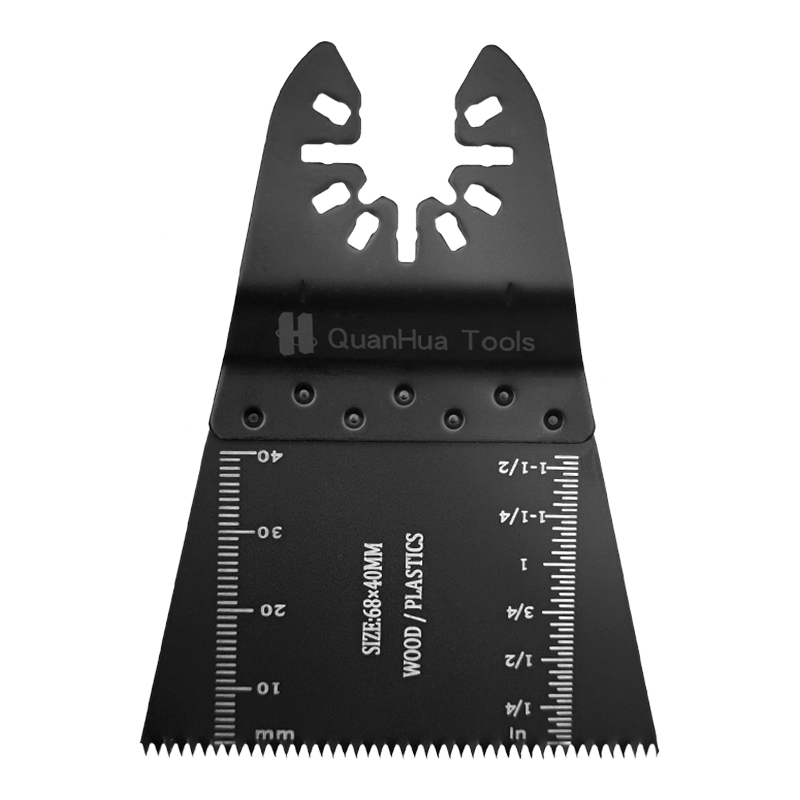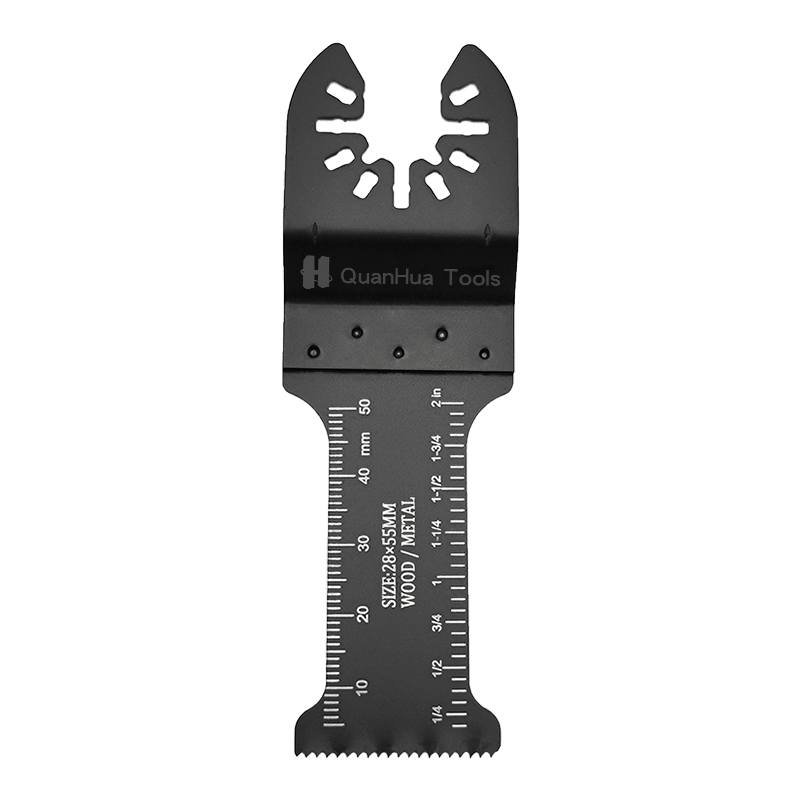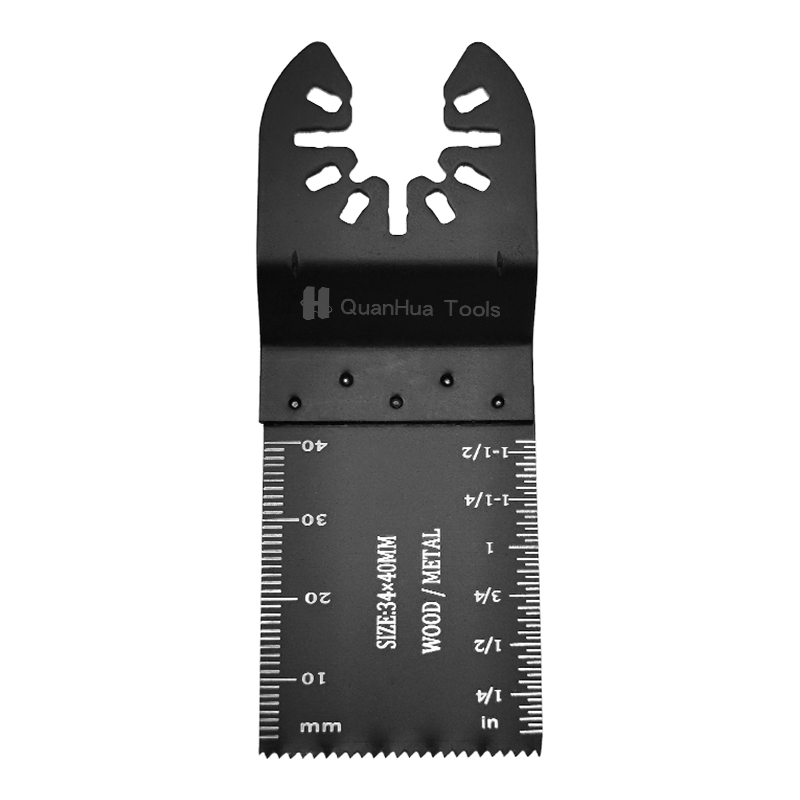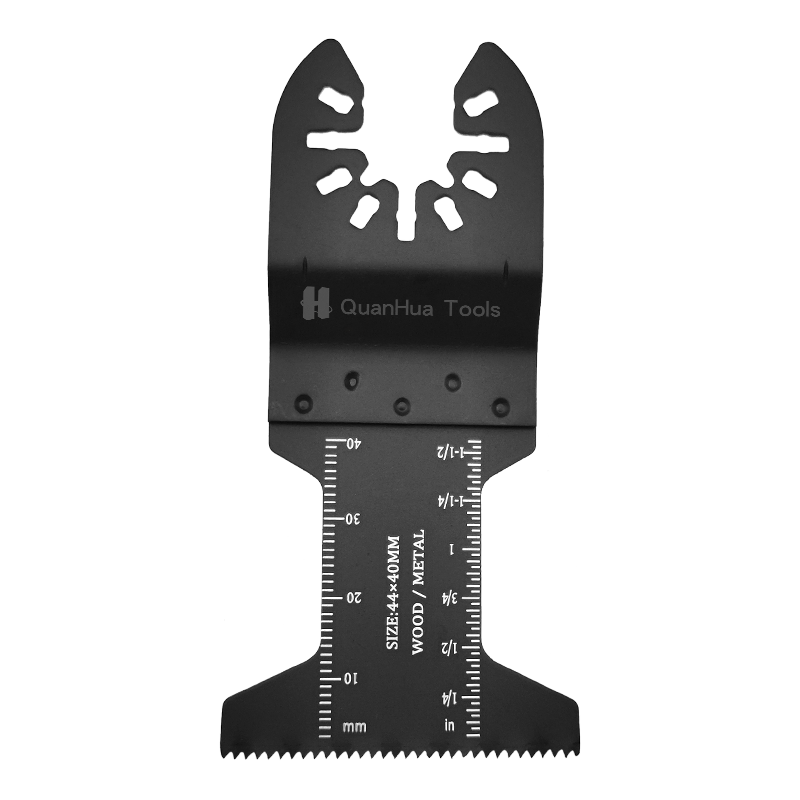

In the world of landscape maintenance and tree pruning, selecting the correct Garden Saw Blade is a decision that impacts not only your work efficiency but also the long-term health of your plants and the lifespan of your tools. Many gardening enthusiasts mistakenly believe that a single saw can handle all types of wood. In reality, the vast differences in cell density and resin content between hardwood and softwood demand specific tooth geometries, pitches, and surface coatings.
Choosing the wrong match can lead to premature blade dulling and can cause jagged, torn wounds on the tree, increasing the risk of pest infestation and disease.
1. Understanding Tooth Geometry and Pitch for Wood Density
The tooth geometry and TPI (Teeth Per Inch) are the core indicators of a saw blade’s performance. Hardwood and softwood provide different physical feedback when subjected to the shearing action of a saw, requiring specialized “chip removal” designs.
The Hardwood Strategy: Fine Teeth and Impulse Hardening
Hardwood species (such as Oak, Maple, or Walnut) feature extremely tight fiber arrangements. To cut through these tough fibers without the blade jumping or binding, you should choose a blade with a higher TPI, typically between 8 and 12 TPI.
- Precision Cutting: Smaller teeth take smaller “bites” out of the wood, which creates a much smoother cut surface. This prevents the hardwood from shattering or producing heavy splinters under pressure.
- Durability Requirements: Hardwood is highly abrasive to steel. Therefore, it is essential to choose blades with Impulse Hardened teeth. This process makes the tips of the teeth significantly harder than the rest of the blade, allowing them to stay sharp up to three times longer than standard blades when facing high-density fibers.
The Softwood Strategy: Coarse Teeth and Large Gullets
Softwood species (such as Pine, Cedar, or Fir) often have longer fibers and contain high amounts of resin and moisture. A fine-toothed blade will quickly become “packed” with wet sawdust, causing the saw to seize.
- Efficient Chip Removal: For softwood, a coarse blade with 5 to 7 TPI is the ideal choice. These blades feature large “gullets”—the spaces between the teeth—which act like tiny shovels to rapidly clear large, moist wood chips out of the cut.
- Aggressive Cutting: Softwood allows for a much faster cutting pace. Blades with triple-ground teeth (featuring three cutting angles per tooth) can slice through loose softwood fibers instantly, significantly reducing physical exertion.
2. Blade Shape and Coating: Curved vs. Straight for Material Type
The physical silhouette of the blade determines how effectively your arm strength is converted into cutting power. Whether dealing with high-resistance hardwood or navigating tight clusters of softwood, the shape of the blade is critical.
The Leverage Advantage of Curved Blades in Hardwood Pruning
When pruning large hardwood branches, friction and gravity are your primary obstacles. A curved blade is specifically designed for pull-stroke cutting above shoulder height.
- The Hook Effect: The curvature allows the blade to naturally “bite” into the wood during the pull stroke without requiring the user to apply extra downward pressure. This can save approximately 30% of your energy when sawing through dense Oak limbs.
- Taper-Ground Profile: High-quality hardwood blades are often taper-ground, meaning they are thicker at the teeth and thinner at the spine. This structure reduces the friction area between the sides of the blade and the wood, preventing the saw from getting stuck in deep hardwood cuts.
Precision Control of Straight Blades in Softwood Shaping
Softwoods often grow quickly with dense branching, frequently requiring decorative shaping or young tree pruning. A straight blade offers superior operational precision in these scenarios.
- Clean Entry Points: The straight design allows the operator to make surgical, precise entries, which is vital for softwood species with thin, easily damaged bark.
- Fluorine and Chrome Coatings: Softwood resin (sap) is incredibly sticky. To prevent sap buildup, select blades with Hard Chrome plating or a Non-stick Fluorine coating. These coatings allow the blade to glide effortlessly through viscous resin without “gumming up.”
3. Metallurgy and Longevity in Professional Arboriculture
The material composition of the saw blade determines how it handles the heat generated by friction. Cutting hardwood generates significantly more heat than softwood; if the steel quality is substandard, the high temperature will “anneal” (soften) the teeth, rendering them useless instantly.
High-Carbon vs. Alloy Steel (SK5 High-Carbon Steel)
Most professional garden saw blades are manufactured from SK5 High-Carbon Tool Steel. This material is the industry standard due to its exceptional hardness and edge retention.
- Hardwood Requirements: Only high-carbon steel provides enough rigidity to ensure the blade does not “whip” or bend when cutting high-density wood. For hardwood, rigidity equals safety.
- Corrosion Protection: Although high-carbon steel is hard, it is susceptible to rust. When cutting wet softwood, moisture stays trapped in microscopic cracks. Therefore, ensuring your blade has an electrophoretic coating or a chrome-over-nickel finish is key to preventing rust during the off-season.
Strategic Choice of Blade Thickness
When dealing with hardwood, professional arborists often prefer a slightly thicker gauge blade because it provides a more stable cutting path. Conversely, a thinner, more flexible blade is more maneuverable in dense softwood clusters, making it easier to find the best angle between tangled branches.
Garden Saw Blade Comparison Matrix
| Feature | Hardwood Blade | Softwood Blade |
|---|---|---|
| Teeth Per Inch (TPI) | 8 - 12 (Fine) | 5 - 7 (Coarse) |
| Blade Shape | Curved (High Leverage) | Straight (High Precision) |
| Tooth Hardening | Impulse Hardened (Mandatory) | Standard or Impulse |
| Surface Coating | Hard Chrome (Wear Resistance) | Fluorine/Non-stick (Sap Resistance) |
| Typical Wood Type | Oak, Maple, Deadwood | Pine, Cedar, Green Pruning |
FAQ: Frequently Asked Questions
Q: Can I use one blade for both hardwood and softwood?
A: You can, but it is a compromise. A “Medium” tooth blade (approx. 7.5 TPI) is a versatile middle ground. However, you will find it slower on hardwood and prone to clogging on very wet softwood.
Q: Why can’t impulse-hardened blades be sharpened?
A: Impulse hardening makes the tips of the teeth harder than a standard file. Attempting to sharpen them will ruin your file and fail to restore the edge. Therefore, these blades are typically designed to be replaceable.
Q: How do I prevent my blade from rusting during the cutting process?
A: After every use, use a brush to remove sawdust from the teeth and wipe the blade with a rag dipped in a small amount of lubricant or professional tool cleaner. For blades used on softwood, use alcohol first to dissolve any residual sap.
References & Industry Standards
- ANSI Z133: Safety Requirements for Arboricultural Operations - Pruning Tools.
- ISO 2336: Hacksaw blades — Dimensions and Tooth Pitch (International Saw Standards).
- DIN 7239: German Standard for Pruning Saws and Hand Tools.