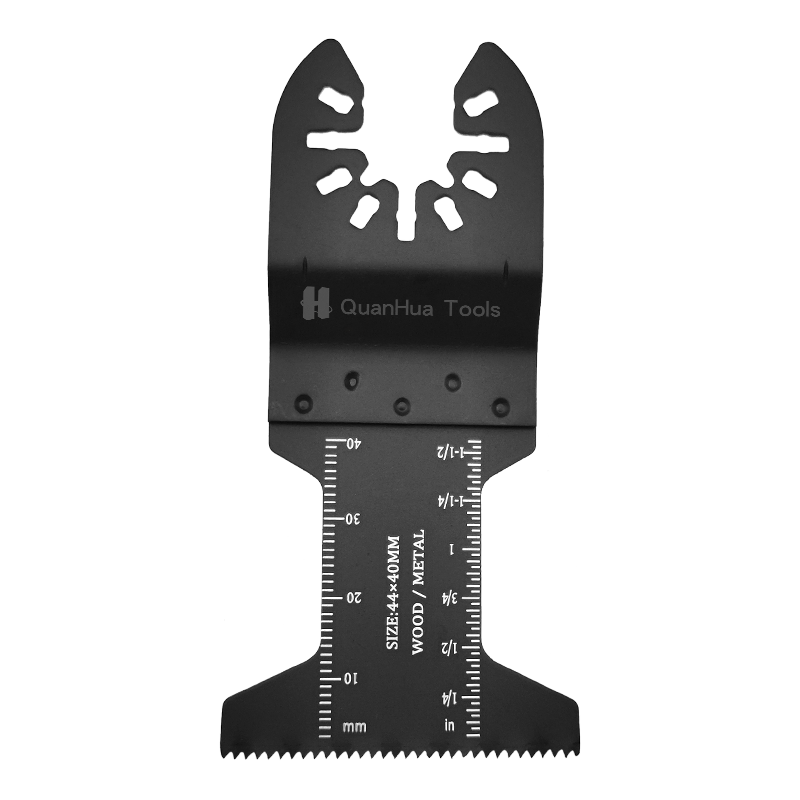

High-Speed Steel (HSS) saw blades are widely recognized for their versatility and durability in both industrial and workshop settings. These blades can cut through a variety of materials including wood, plastics, and metals, making them essential tools for professionals and hobbyists alike. However, to maximize the performance and longevity of HSS saw blades, proper maintenance practices must be implemented. Neglecting care can lead to dull teeth, inefficient cutting, rough surfaces, and even potential safety hazards.
Maintaining an HSS saw blade involves a combination of regular cleaning, careful handling, correct sharpening, proper storage, and occasional lubrication when cutting certain materials. By taking these steps, users can not only extend the life of the blade but also achieve more precise cuts and maintain optimal performance. Additionally, understanding how different materials, cutting speeds, and feed rates affect the blade ensures safer operation and prevents unnecessary wear. HSS saw blades are designed to withstand high temperatures, but excessive friction due to neglect can cause warping or chipping. A consistent maintenance routine is therefore critical for both productivity and safety in any cutting operation.
Regular Cleaning of High-Speed Steel Saw Blades
Importance of Cleaning
Over time, HSS saw blades accumulate metal shavings, dust, resin, and other residues that negatively impact cutting efficiency. A blade covered in debris produces excess friction, generates heat, and can lead to premature wear or even warping. Maintaining a clean surface on the blade is essential not only for smooth cutting but also for extending the overall lifespan of the tool. A clean blade reduces the risk of burning the workpiece and ensures that the teeth remain sharp and effective.
Cleaning Methods
- Soft Brushing: Use a soft brush to remove sawdust, metal filings, and other loose debris. Brushing should be done after every use to prevent buildup.
- Soaking in Cleaning Solution: For stubborn resin or pitch, soak the blade in a mild detergent solution or a specialized industrial blade cleaner. Avoid harsh chemicals that can damage the steel surface.
- Rinsing and Drying: Thoroughly rinse the blade with water and dry immediately to prevent oxidation or rust formation.
- Rust Prevention: Apply a thin layer of rust-preventive oil or spray if the blade will be stored for an extended period.
Recommended Cleaning Practices for HSS Saw Blades
| Cleaning Method | Purpose | Recommended Frequency |
|---|---|---|
| Soft Brush | Remove debris and dust | After each use |
| Soaking in Detergent | Remove resin, pitch, and metal residues | Weekly |
| Compressed Air | Quick removal of light particles | Daily |
| Rust-Preventive Spray | Protect steel from oxidation | Monthly |
Proper cleaning not only improves cutting performance but also reduces the chance of accidents caused by a dirty or slippery blade. It ensures that each cut remains precise and clean, which is particularly important for high-precision woodworking and metalworking applications.
Sharpening and Maintaining Cutting Teeth
Signs the Blade Needs Sharpening
Even HSS saw blades gradually lose their sharpness due to repeated use. Common indicators that sharpening is required include:
- Increased resistance when cutting materials
- Rough or uneven cut surfaces
- Smoke or burning smell during operation
- Excessive vibration or chatter while cutting
Ignoring these signs may lead to poor cutting performance and potential damage to both the workpiece and the blade.
Sharpening Techniques
- Manual Sharpening: For minor touch-ups, a diamond file or fine sharpening stone can be used to hone each tooth individually. Care should be taken to maintain the original tooth angles specified by the manufacturer.
- Professional Sharpening: Industrial HSS saw blades may require professional sharpening machines that restore the original geometry and tooth spacing. Professional sharpening ensures uniform performance across the blade.
- Maintaining Angles: Correct rake and bevel angles are essential to prevent overheating and tooth damage. Following manufacturer guidelines preserves cutting efficiency and prolongs blade life.
Properly sharpened teeth not only cut efficiently but also reduce energy consumption, heat buildup, and the risk of chipping. Regular sharpening ensures consistent quality cuts, making it a critical part of maintenance for high-speed steel blades.
Proper Storage and Handling
Storage Guidelines
HSS saw blades are susceptible to corrosion, warping, and chipping if not stored correctly. Following proper storage practices prevents damage and prolongs usability:
- Dry Environment: Keep blades in a low-humidity area to prevent rust formation.
- Blade Racks and Cases: Store blades in protective cases or hang them on racks to avoid contact with other tools.
- Avoid Stacking: Never stack blades directly on top of each other without separators, as this can chip the teeth edges.
Handling Precautions
Handling HSS saw blades properly prevents accidents and damage:
- Always wear gloves to avoid transferring oils or moisture onto the blade.
- Avoid dropping or applying lateral force, which can warp or bend the blade.
- Handle by the center hole or body, not the teeth, to prevent dulling.
By combining proper storage and careful handling, the blade retains its shape, sharpness, and cutting efficiency.
Additional Tips for Maximizing Blade Performance
- Correct Speed and Feed: Operating the blade at manufacturer-recommended speeds and feed rates minimizes heat generation and wear.
- Lubrication for Metals: When cutting metals, using cutting oil or coolant reduces friction and prevents overheating, preserving both blade and workpiece.
- Periodic Inspection: Regularly inspect blades for cracks, broken teeth, or signs of wear to prevent accidents and maintain cutting precision.
- Environmental Considerations: Avoid cutting in excessively humid or wet environments unless the blade is coated or protected.
By implementing these practices, users can ensure consistent performance, reduce the frequency of replacements, and achieve safer operation.
FAQ
Q1: How often should HSS saw blades be cleaned?
A1: Clean after every use, with a deeper cleaning weekly to remove resin, pitch, and metal debris.
Q2: Can HSS saw blades be sharpened at home?
A2: Minor touch-ups can be done manually with a diamond file, but industrial blades benefit from professional sharpening.
Q3: How long do HSS saw blades last?
A3: With proper maintenance, HSS blades can last several years, depending on material, frequency of use, and care.
Q4: Should lubrication be used while cutting wood?
A4: Lubrication is typically not needed for wood but is recommended for cutting metals to reduce heat and friction.
Q5: How can I prevent rust on HSS blades?
A5: Store in a dry place, dry after cleaning, and apply rust-preventive sprays if storing long-term.
References
- High-Speed Steel Saw Blades: Maintenance and Usage Guide, Industrial Tool Journal, 2022.
- Proper Care for Cutting Tools, Machinist Monthly, 2021.
- Ningbo Jinyao Machinery Co., Ltd. – Industrial HSS blade maintenance insights.