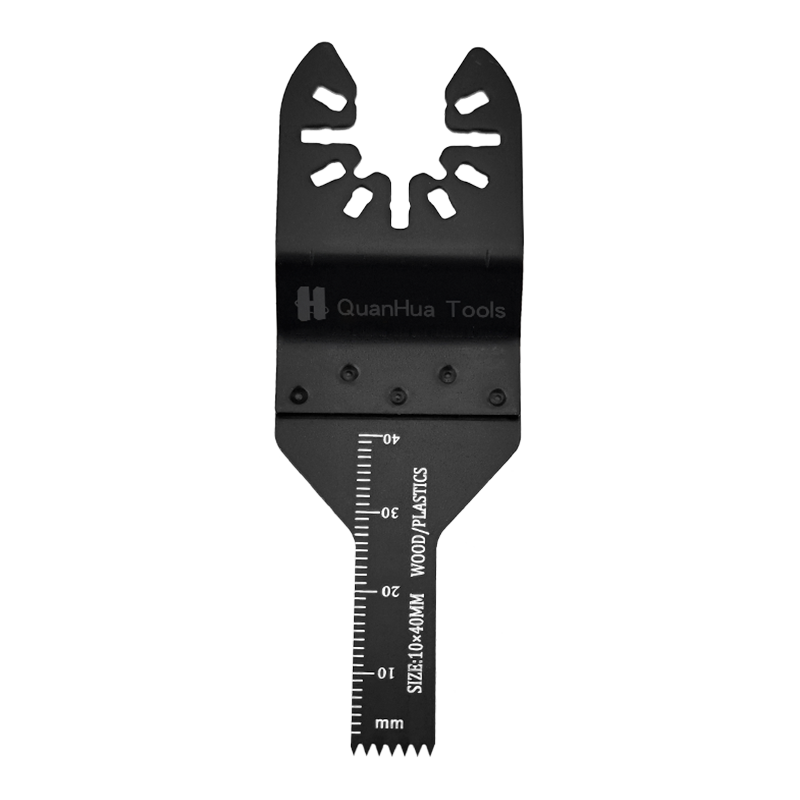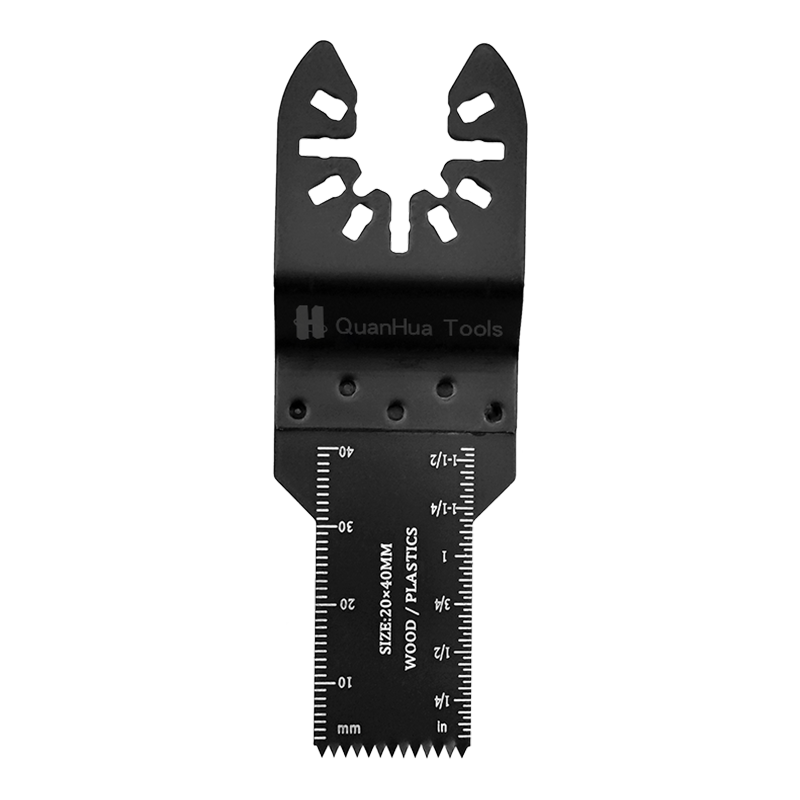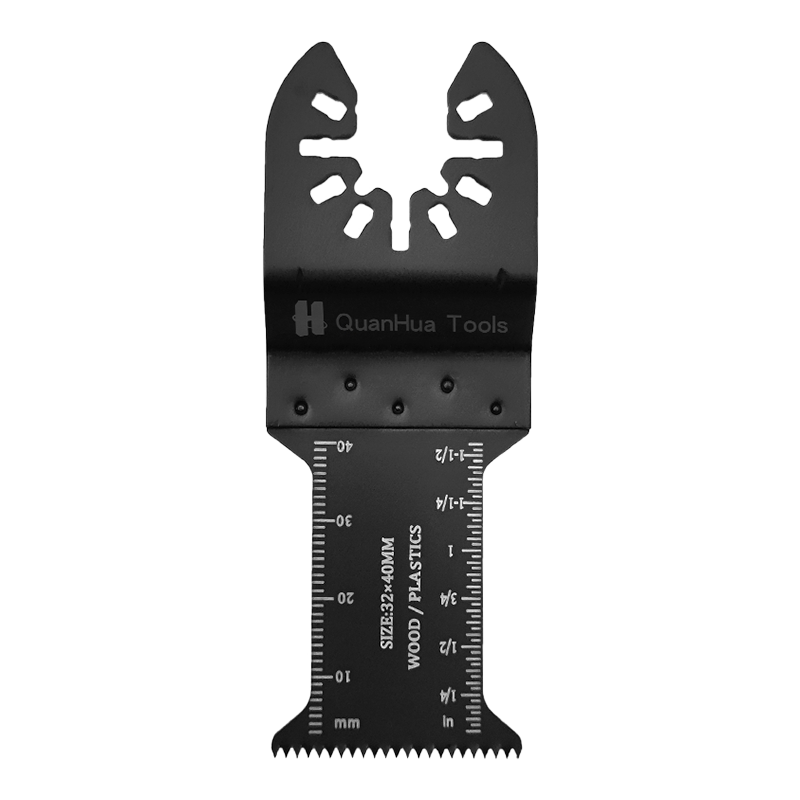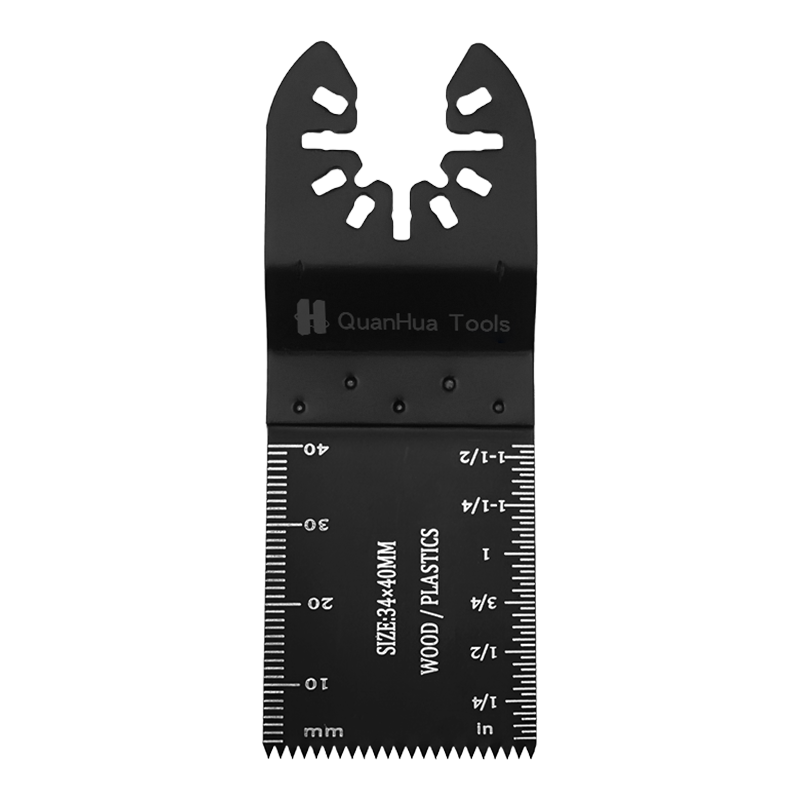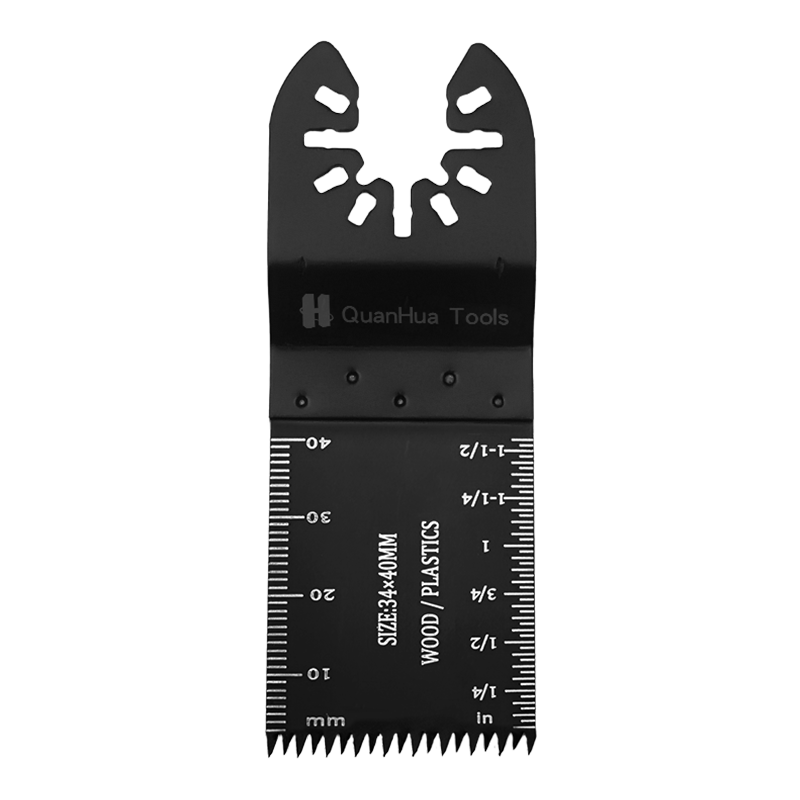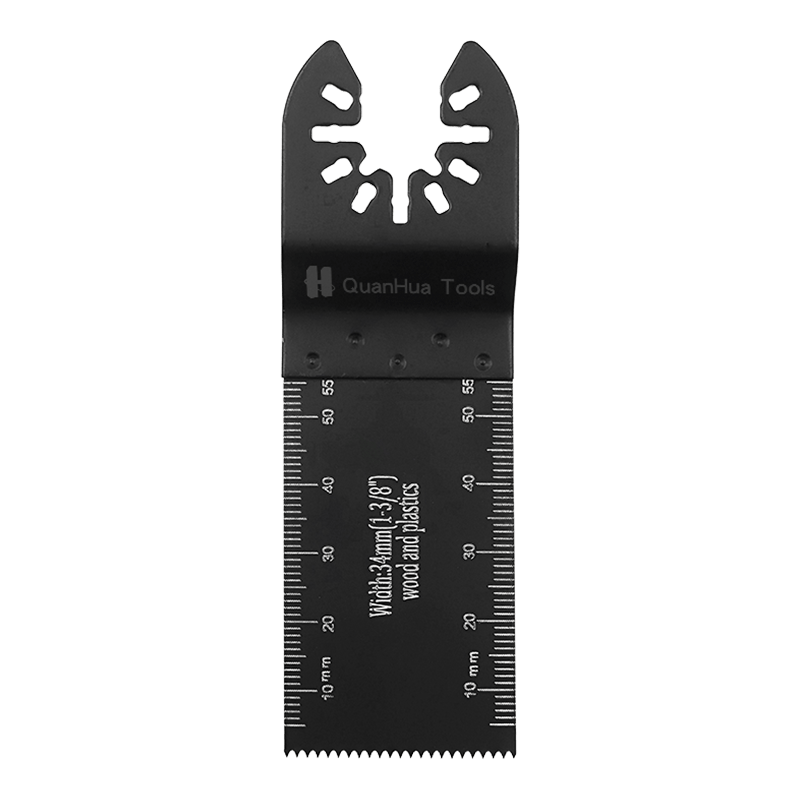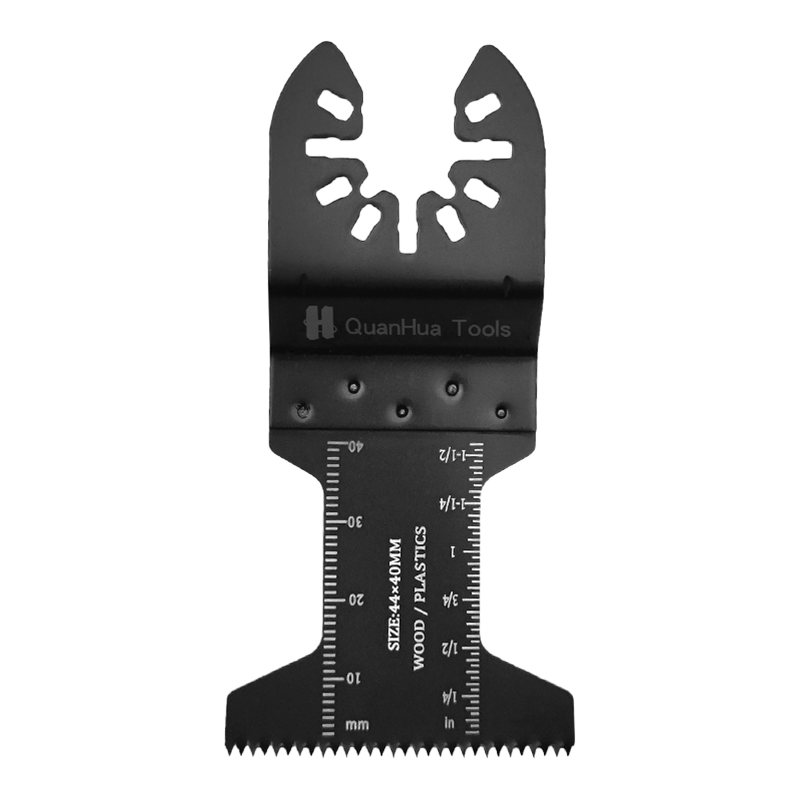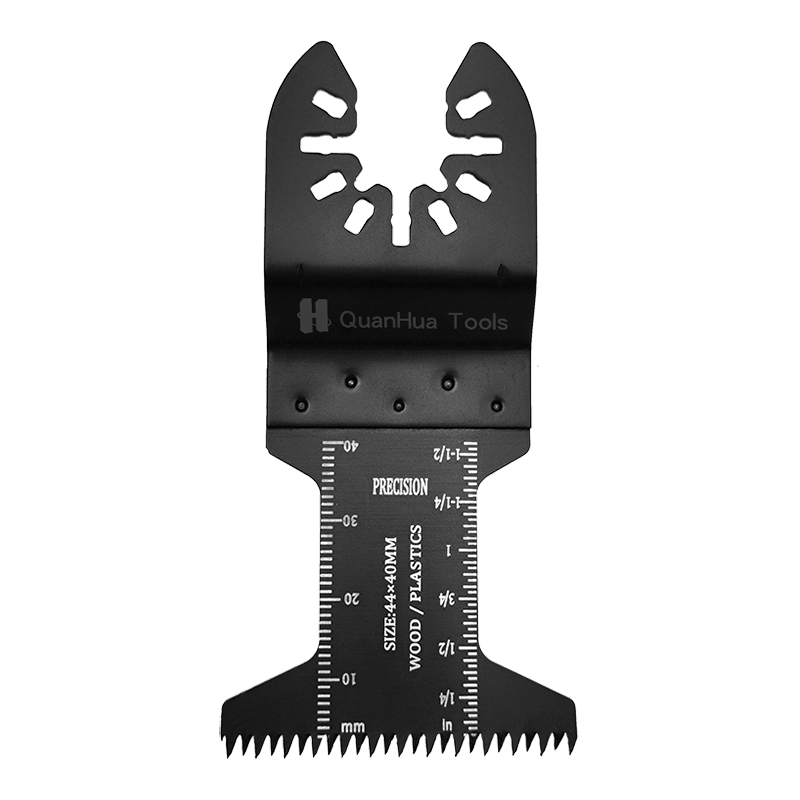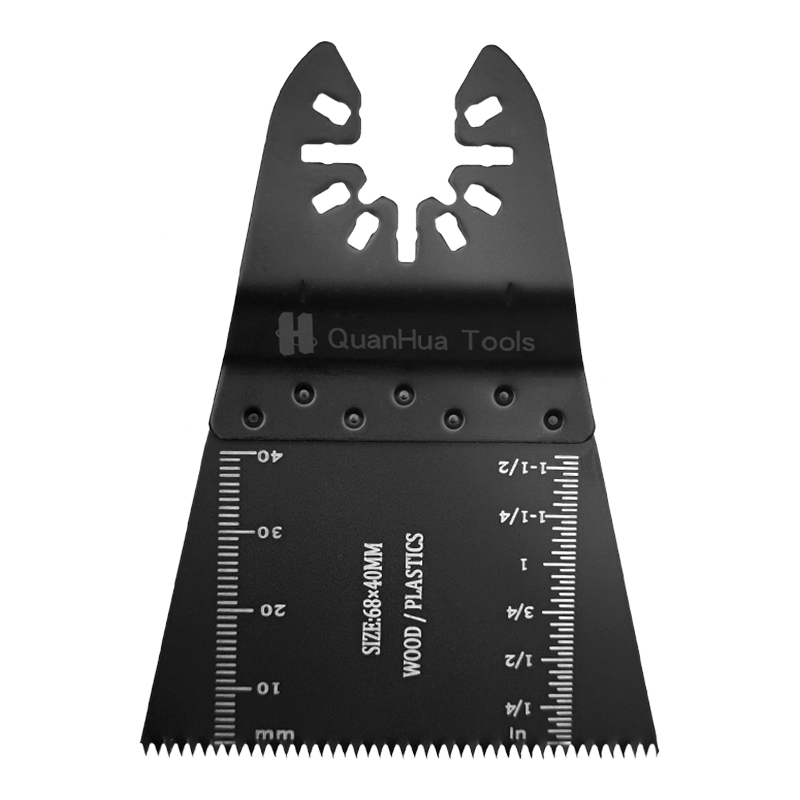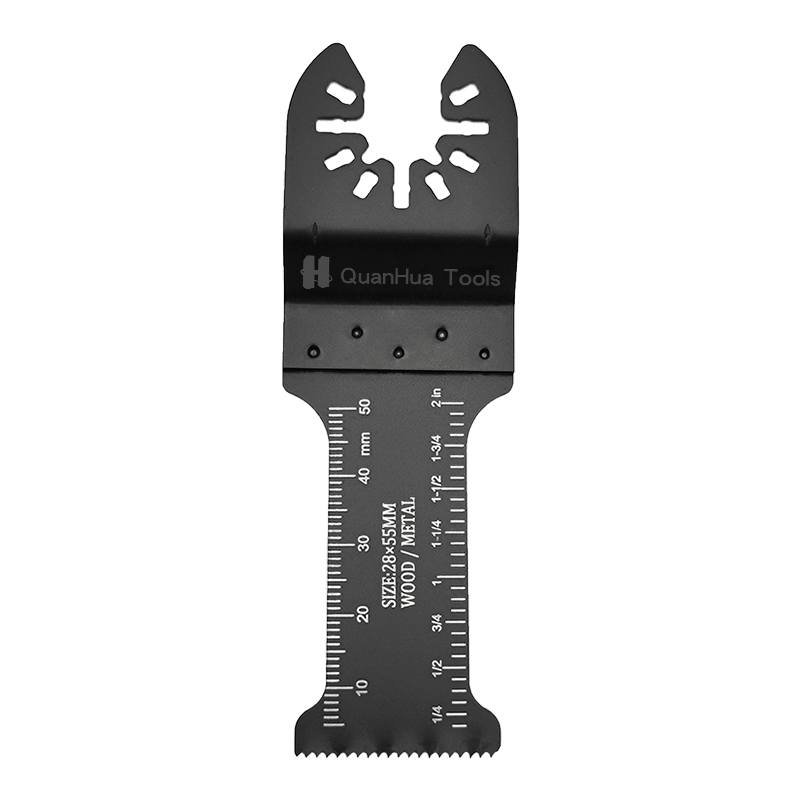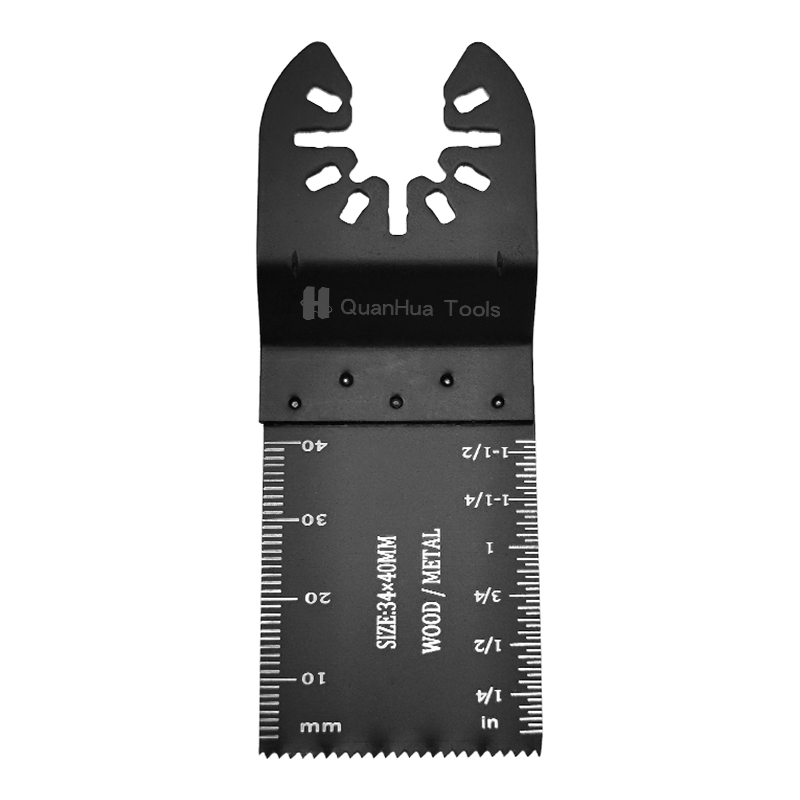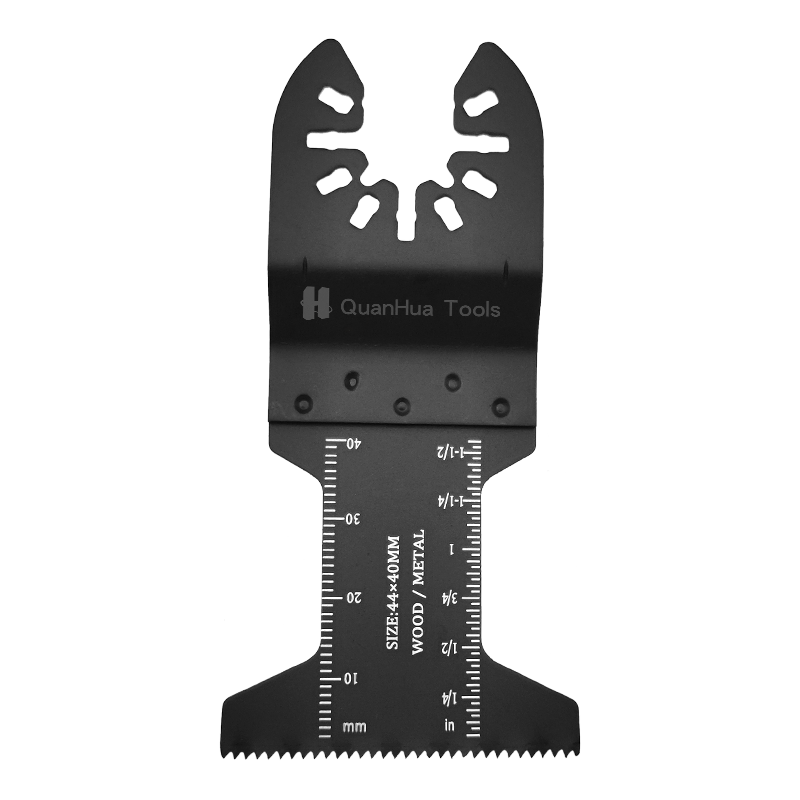

Round oscillating multitool saw blades are versatile tools designed for cutting wood, metal, plastic, and composite materials. Maintaining these blades properly is crucial for safety, precision, and longevity. Regular cleaning, inspection, and sharpening can significantly improve cutting performance while reducing wear and tear on both the blades and the multitool itself. Understanding the types of blades, correct handling, and appropriate maintenance methods is essential for achieving optimal results in any project.
Understanding Your Blade
Types of Round Oscillating Multitool Blades
Round oscillating blades come in a variety of materials and designs, each suited for specific tasks. High-speed steel (HSS) blades are ideal for general-purpose cutting. Bi-metal blades combine flexibility with strength, making them suitable for cutting harder metals without breaking. Carbide-tipped blades offer extreme wear resistance and are preferred for cutting abrasive materials such as tile, masonry, or composite surfaces. Selecting the appropriate blade type is the first step in ensuring proper maintenance and effective cutting.
Blade Design and Tooth Configuration
The design of the teeth, their spacing, and the blade’s thickness affect cutting efficiency. Fine-toothed blades produce smooth cuts in metal or plastic, whereas coarse teeth are better for wood and composite materials. Correct matching of blade thickness with the oscillation speed of the multitool reduces vibration, improves cut quality, and prevents premature wear. Understanding these characteristics allows users to apply the correct maintenance methods for each blade type.
Routine Maintenance
Cleaning the Blade
After each use, remove sawdust, resin, and metal debris. A soft brush or cloth can clean the blade surface and teeth effectively. For sticky residues, a mild solvent like rubbing alcohol helps dissolve the buildup. Keeping blades clean prevents heat buildup and maintains cutting efficiency.
Storage Recommendations
Store blades in a dry and cool environment to avoid rust or corrosion. Protective cases, blade organizers, or sleeves prevent contact with other tools that could dull the teeth. Labeling blades by material type and tooth design ensures quick selection for future projects, reducing unnecessary wear.
Inspection for Wear and Damage
Regular inspection is essential. Look for chipped teeth, cracks, or bent blades. A damaged blade not only reduces cutting performance but also increases the risk of accidents. Replace any blade showing significant wear or structural damage immediately. Routine checks are an essential part of safe and effective tool management.
Sharpening Techniques
Tools Needed
Sharpening requires small files, diamond stones, or specialized sharpening tools. HSS and bi-metal blades can usually be sharpened with hand files, while carbide-tipped blades often need diamond tools or professional sharpening. Always use protective gloves and eyewear when handling sharp blades.
Sharpening Steps
- Secure the blade in a stable clamp or vise to prevent movement.
- Follow the original tooth angle when filing to preserve cutting efficiency.
- Apply even, gentle strokes to avoid removing too much material or changing the geometry of the teeth.
- Clean the blade thoroughly after sharpening to remove metal filings or dust.
Proper sharpening restores cutting efficiency and prolongs blade life. Avoid over-sharpening, as this can weaken the teeth.
Blade Material and Maintenance Comparison
| Blade Material | Cleaning Frequency | Sharpening Method | Durability |
|---|---|---|---|
| High-Speed Steel (HSS) | After 10–15 hours of use | Fine file or sharpening stone | Moderate |
| Bi-Metal | After 20–30 hours of use | Fine file or diamond rod | High |
| Carbide-Tipped | After 50 hours of use or when dull | Diamond sharpening tool or professional service | Very High |
Additional Tips for Longevity
Correct Usage
Use the blade for its intended material. Avoid forcing the blade through hard or incompatible surfaces. Let the oscillating motion do the cutting work, reducing stress on both the blade and the multitool.
Temperature Control
Overheating can warp or soften blades. Take breaks during prolonged cutting and ensure the multitool operates within recommended oscillation speeds. Cooling blades when cutting metals preserves hardness and prevents premature wear.
Lubrication for Metal Cutting
Apply light cutting oil when working with metals to reduce friction and heat. This is especially important for HSS and bi-metal blades to maintain sharpness and prolong lifespan.
Maintaining and sharpening round oscillating multitool saw blades is key to performance, safety, and durability. Cleaning, proper storage, inspection, and following correct sharpening procedures extend blade life while ensuring precision cutting. Incorporating these practices ensures multitools remain effective and reliable, saving costs and improving work quality.
FAQ
1. Can I sharpen all types of blades at home?
Most HSS and bi-metal blades can be sharpened with hand tools, while carbide-tipped blades may need professional sharpening for optimal results.
2. How often should blades be sharpened?
Frequency depends on use and material type. Monitor cutting performance and sharpen when cuts become slower or rough.
3. Does a dull blade damage the multitool?
Yes, dull blades increase strain on the motor, potentially shortening tool life.
4. Is it safe to reuse a blade after sharpening?
Yes, as long as the blade is free from cracks or chips, sharpening restores cutting ability safely.
5. What precautions should I take when sharpening?
Wear gloves and eye protection, secure the blade firmly, and avoid excessive force.
References
- Multitool Maintenance Guide – Proper Blade Care
- Oscillating Tool Blade Handbook – Materials and Care
- High-Speed Steel and Bi-Metal Blade Maintenance Manual
- Carbide Blade Sharpening Techniques – Industry Recommendations