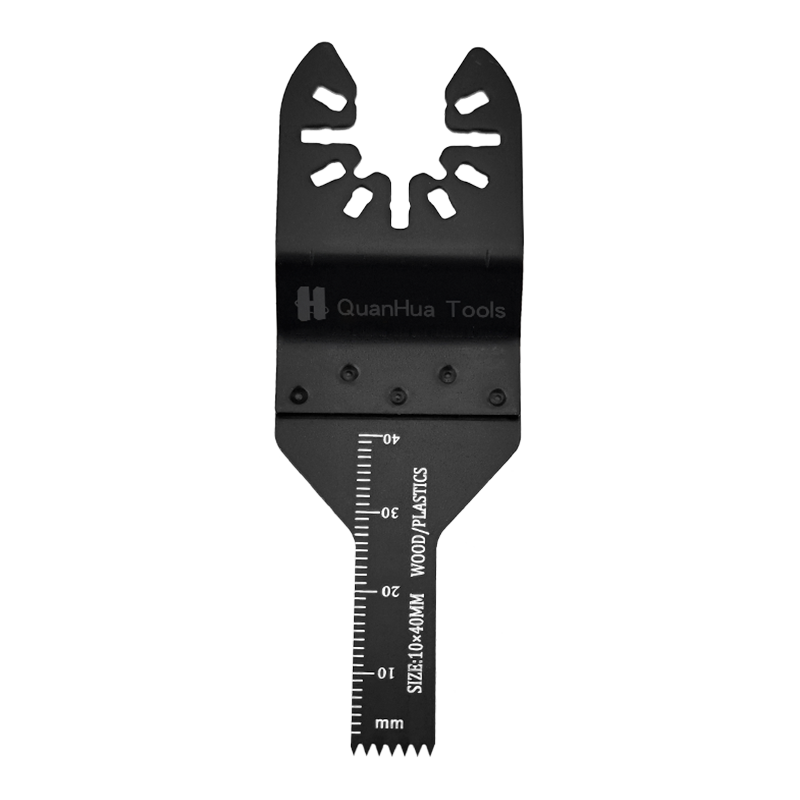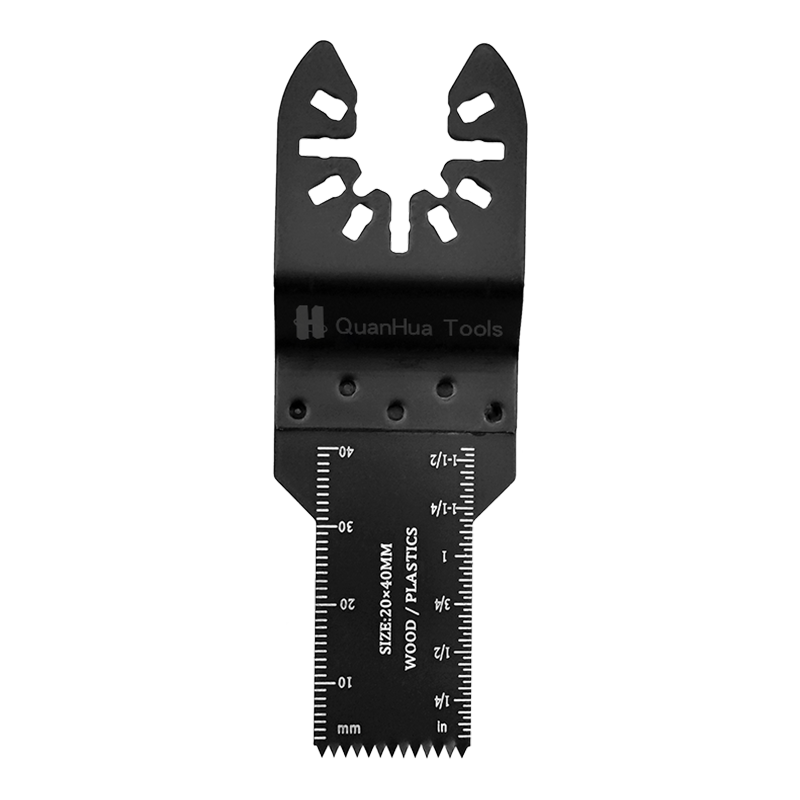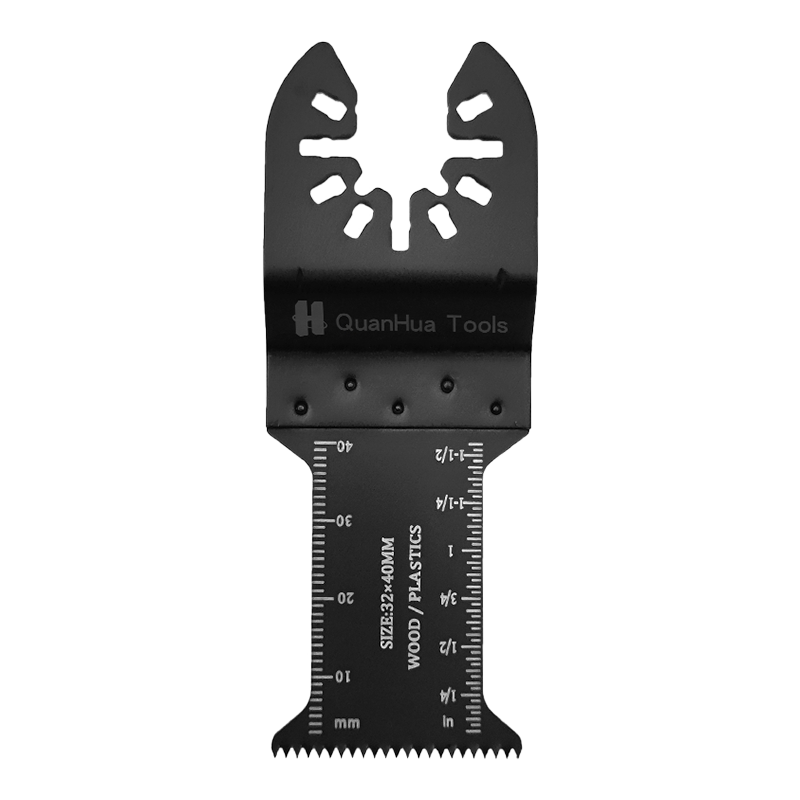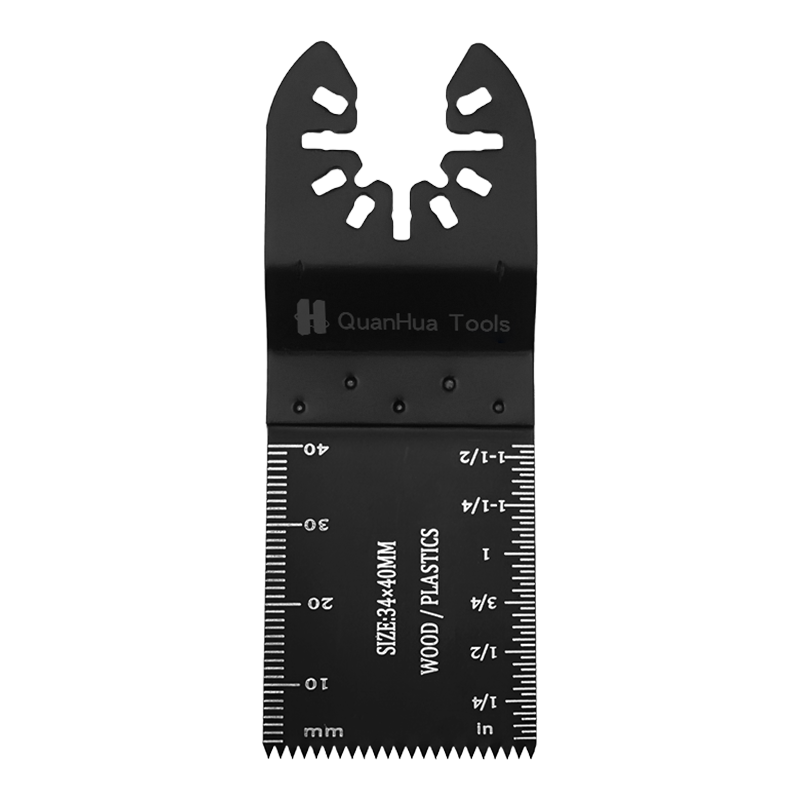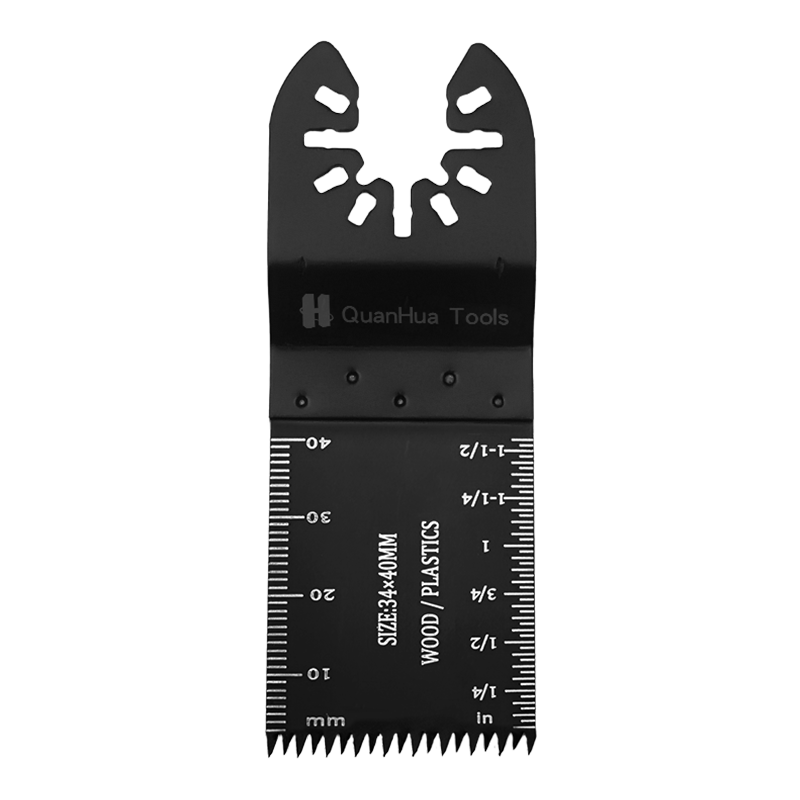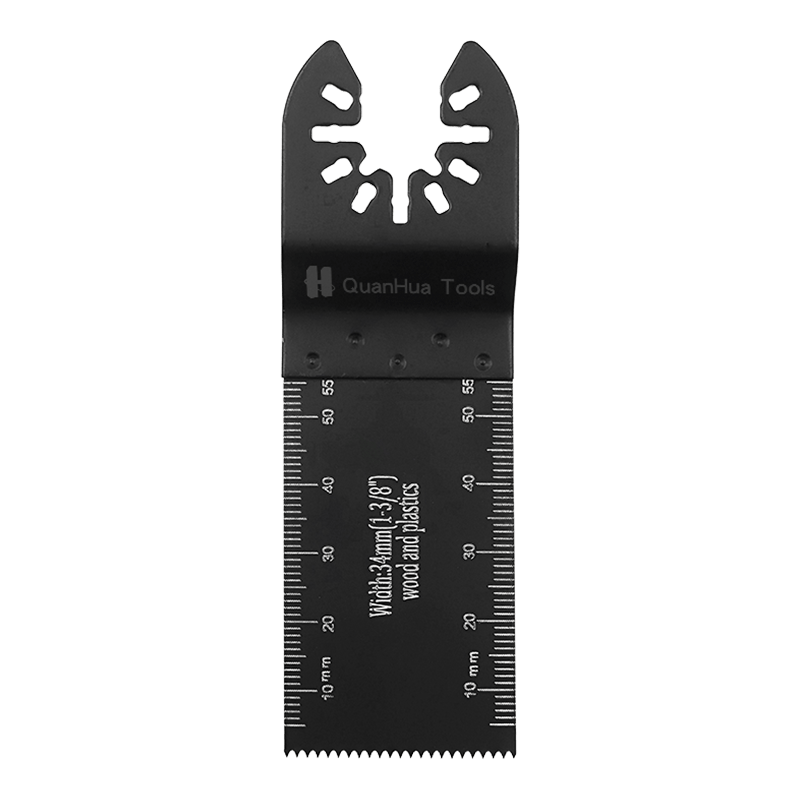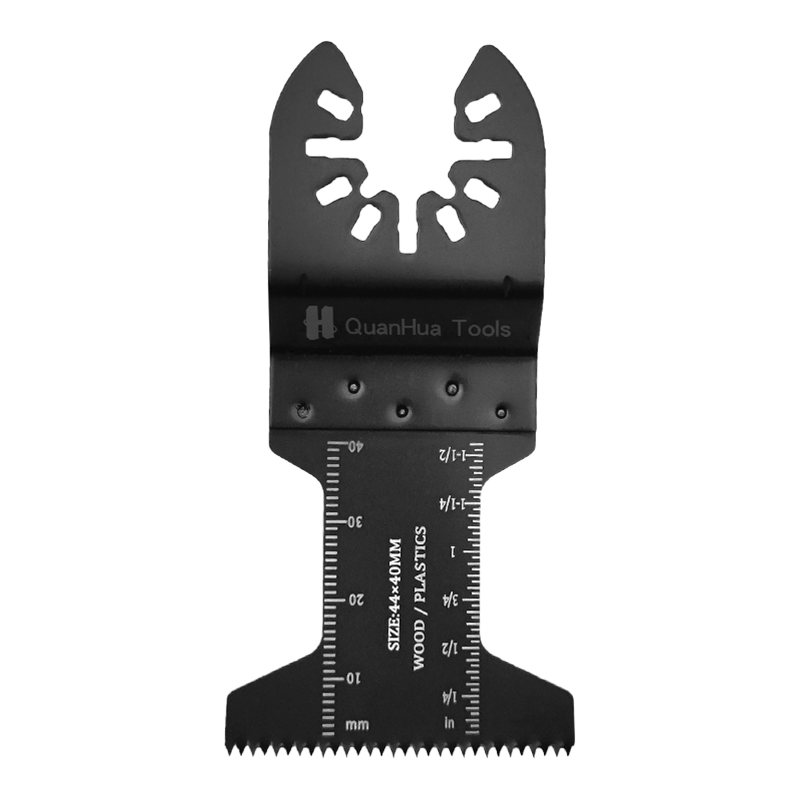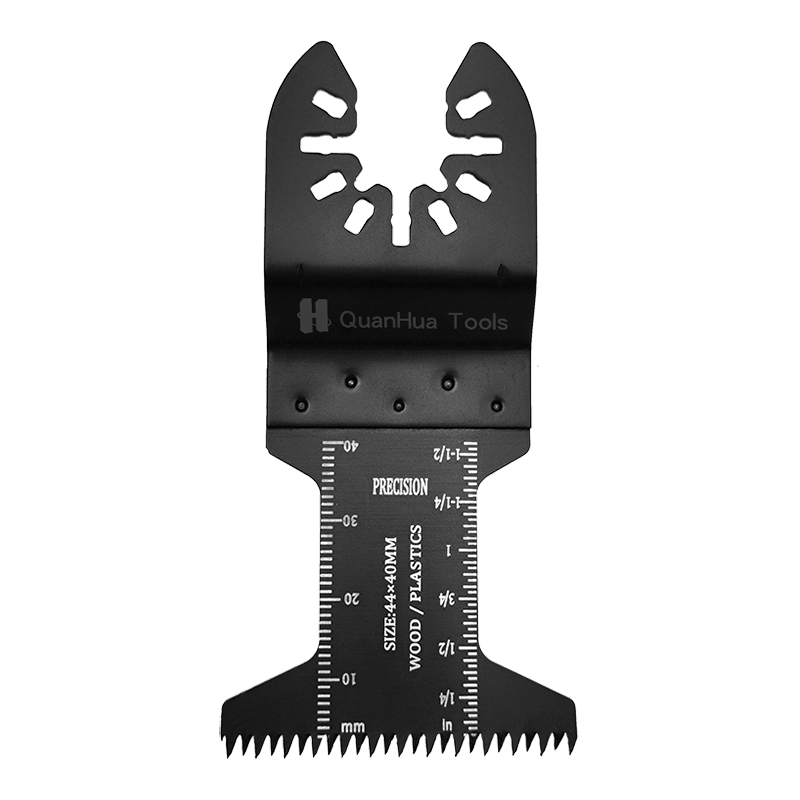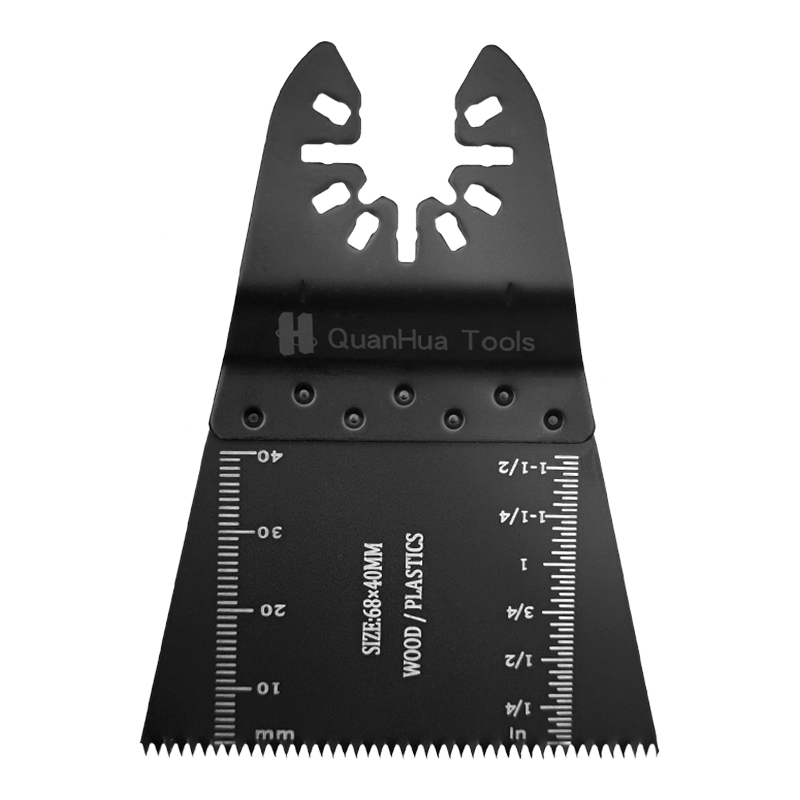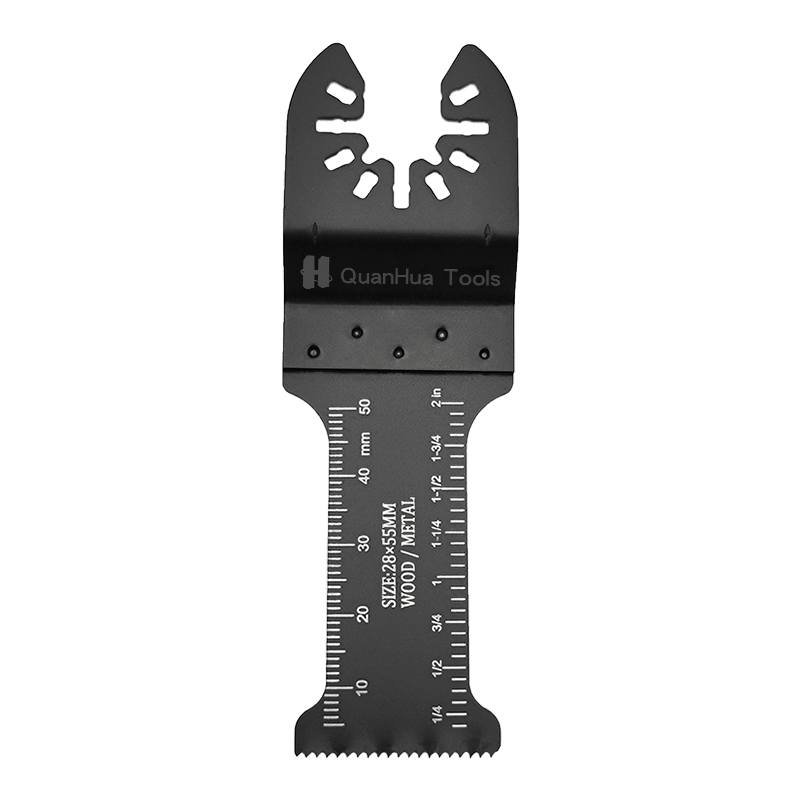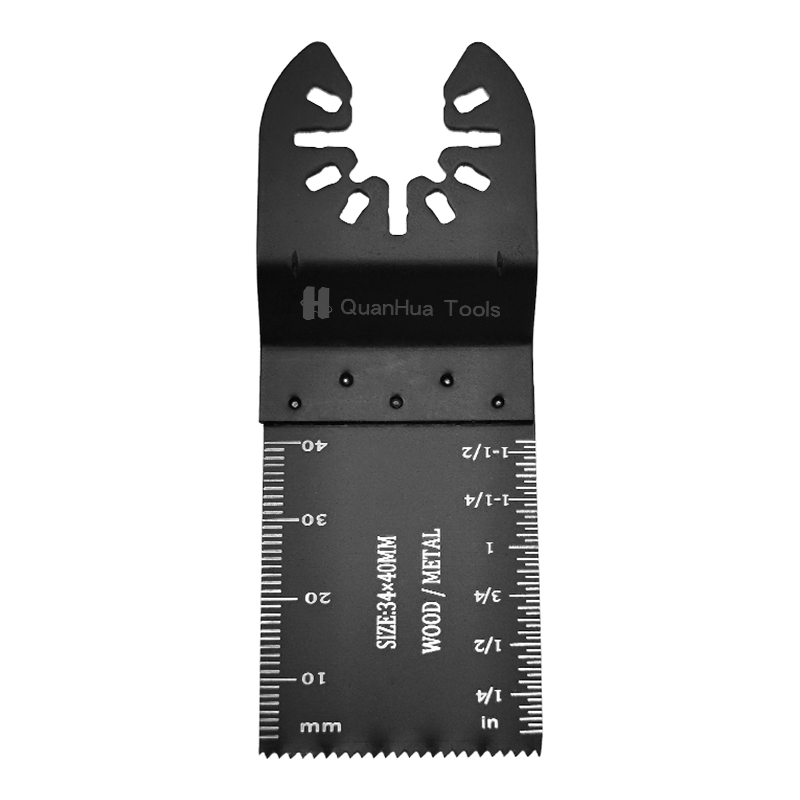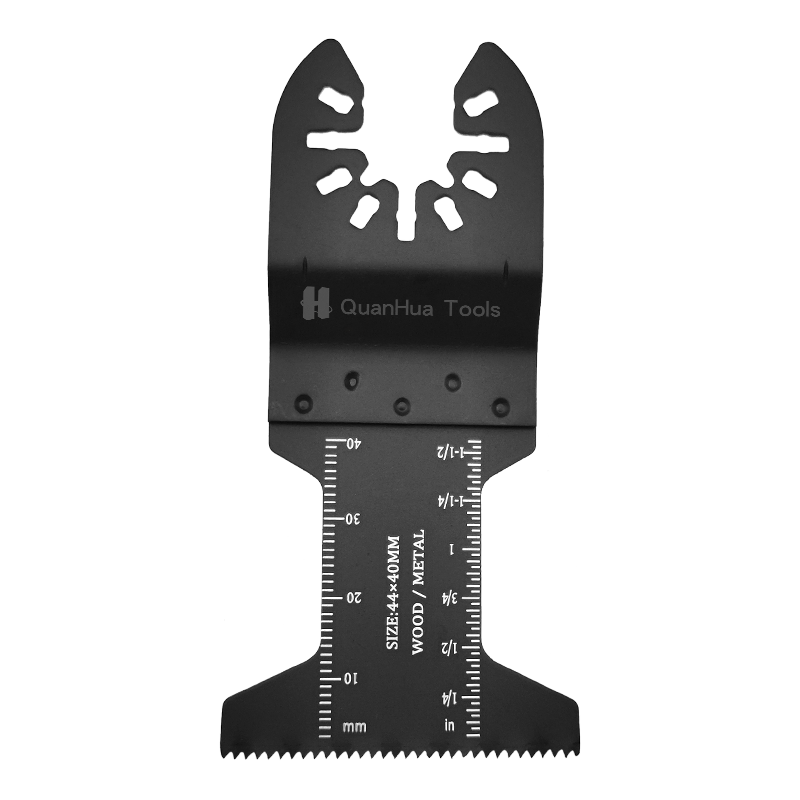

Sabre saws are versatile power tools widely used in woodworking, metalworking, and construction. The performance of a sabre saw largely depends on the blade type, with bi-metal (BIM) and carbon steel (CS) blades being the most common. While both blades serve similar functions, they differ significantly in durability, cutting speed, material compatibility, and cost. Choosing the right blade ensures clean cuts, prolonged tool life, and efficiency in both industrial and DIY applications.
1. Material Composition and Blade Design
Carbon steel sabre saw blades are typically made from high-carbon steel, which provides stiffness and sharp teeth for cutting soft materials such as wood, plastic, and light metals. These blades are inexpensive and widely available, making them suitable for general-purpose or occasional use. However, carbon steel blades tend to wear quickly and are prone to breaking or bending when exposed to high-stress applications or harder materials. They are ideal for hobbyists or light-duty construction projects, but their short lifespan makes them less practical for frequent or professional use.
Bi-metal blades, by contrast, combine high-speed steel (HSS) teeth welded onto a flexible carbon steel back. This design leverages the hardness of HSS for cutting performance and the flexibility of carbon steel to resist snapping under stress. BIM blades are highly versatile, capable of cutting metal, hardwood, plastics, and composites without losing efficiency. The welded construction enhances durability and heat resistance, making them suitable for industrial and professional applications where prolonged cutting is required. While more expensive initially, BIM blades reduce downtime and replacement costs over time due to their longer lifespan.
2. Cutting Performance and Efficiency
Carbon steel blades provide fast initial cuts in soft materials like wood and plastic. Their teeth are sharp, allowing clean and precise cutting for light-duty tasks. However, their cutting efficiency declines rapidly when cutting harder materials such as metals or composites. Users may experience slower cutting speed, rough edges, or even blade breakage after prolonged use.
Bi-metal blades, in contrast, maintain consistent performance over time. The HSS teeth retain their sharpness even when cutting metals or dense hardwoods. While their initial speed in soft materials may be comparable to CS blades, BIM blades excel in heavy-duty cutting, offering smoother cuts, fewer interruptions, and reduced operator fatigue. This makes them ideal for industrial applications where materials of varying hardness are encountered frequently. Additionally, BIM blades generate less heat and vibration during long cutting sessions, preserving both blade integrity and saw performance.
3. Durability and Lifespan
Durability is a crucial factor when choosing between carbon steel and bi-metal sabre saw blades. Carbon steel blades are susceptible to wear, bending, and breakage under heavy or prolonged use. Their rigidity allows for precise cutting initially, but repeated stress reduces their service life. They are best suited for occasional cutting of soft materials, where frequent blade replacement is acceptable.
Bi-metal blades feature a flexible steel back with HSS teeth, which allows them to withstand bending and torsional forces without snapping. This makes them ideal for high-stress, continuous cutting applications. The combination of durability and flexibility ensures that BIM blades maintain cutting efficiency over extended periods, providing long-term reliability and reducing operational downtime.
| Feature | Carbon Steel Blade | Bi-Metal (BIM) Blade |
|---|---|---|
| Material | High-carbon steel | HSS teeth + flexible steel back |
| Durability | Low to moderate | High |
| Material Compatibility | Wood, plastic, soft metals | Wood, metal, plastic, composites |
| Cutting Speed | High initially, drops fast | Consistent over time |
| Flexibility | Low | High |
| Cost | Low | Higher |
| Lifespan | Short | Long |
4. Cost Considerations and Long-Term Value
Carbon steel blades are affordable, making them suitable for hobbyists, DIY users, or occasional tasks where cutting demands are low. Their low cost is advantageous for short-term projects but is offset by frequent replacement requirements, especially when cutting harder materials. Over time, repeated purchases of CS blades can increase costs, particularly for professional or industrial users.
Bi-metal blades, although more expensive upfront, offer significant long-term value. Their durability, versatility, and ability to maintain cutting efficiency across multiple materials reduce the need for frequent replacements. For professionals, contractors, or industrial settings, BIM blades provide a lower total cost of ownership despite the higher initial investment. In addition, BIM blades reduce downtime during projects, increase productivity, and ensure consistent cutting quality, which can offset the higher purchase cost in professional workflows.
5. Choosing the Right Blade
Selecting the appropriate sabre saw blade depends on material, frequency of use, and budget. For soft materials and occasional use, carbon steel blades are cost-effective and sufficient. For frequent, high-stress, or industrial cutting of metal, hardwood, or composite materials, bi-metal blades are highly recommended due to their durability, flexibility, and consistent performance.
Additional factors to consider include blade thickness, teeth per inch (TPI), and tooth design. Fine-tooth BIM blades are better for precise metal cutting, while coarse-tooth blades excel in wood and soft materials. Matching blade type, tooth geometry, and application ensures clean cuts, efficient operation, and longer blade life, enhancing both safety and productivity.
FAQ
Q1: Can bi-metal blades cut both wood and metal?
A: Yes. BIM blades are designed for versatility and can handle wood, metals, plastics, and composites efficiently.
Q2: How long do carbon steel blades typically last?
A: For soft materials, they may last a few hours of cutting; harder materials significantly reduce lifespan.
Q3: Are bi-metal blades more flexible than carbon steel blades?
A: Yes. The flexible steel back allows BIM blades to bend slightly without breaking, reducing the risk of snap.
Q4: Why are bi-metal blades more expensive?
A: The combination of HSS teeth and a flexible steel back requires more advanced manufacturing, increasing cost.
Q5: Can carbon steel blades be used for metal cutting?
A: They can cut thin, soft metals, but they wear out quickly and may break under heavy stress.
References
- Bosch, “Sabre Saw Blade Selection Guide”, Bosch Technical Documentation, 2020.
- DEWALT, “Bi-Metal vs Carbon Steel Blades: Performance Comparison”, DEWALT Industrial Handbook, 2019.
- Makita, “Reciprocating Saw Blades for Wood and Metal”, Makita Technical Manual, 2021.