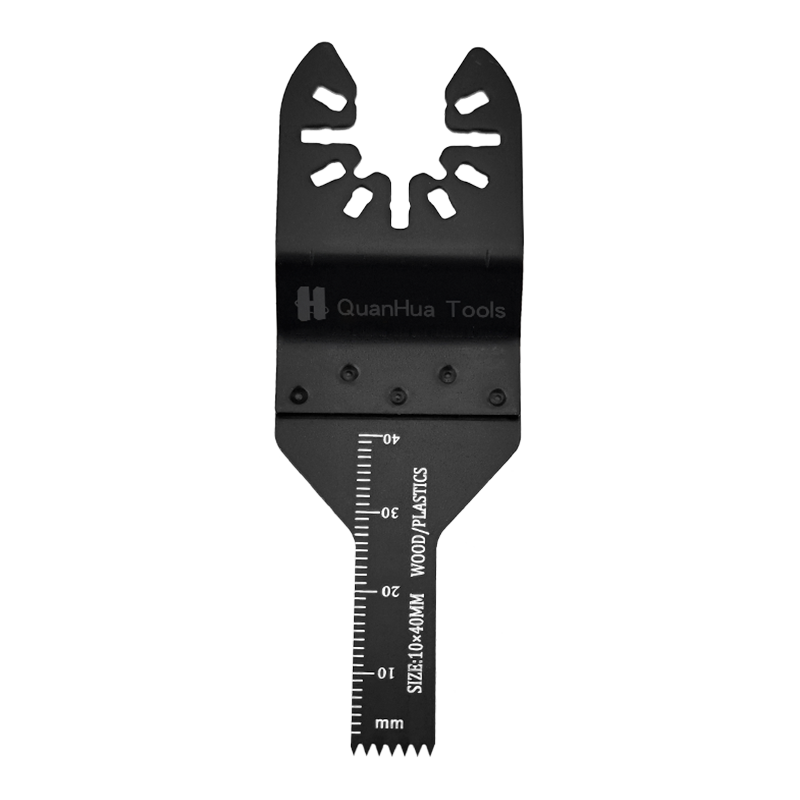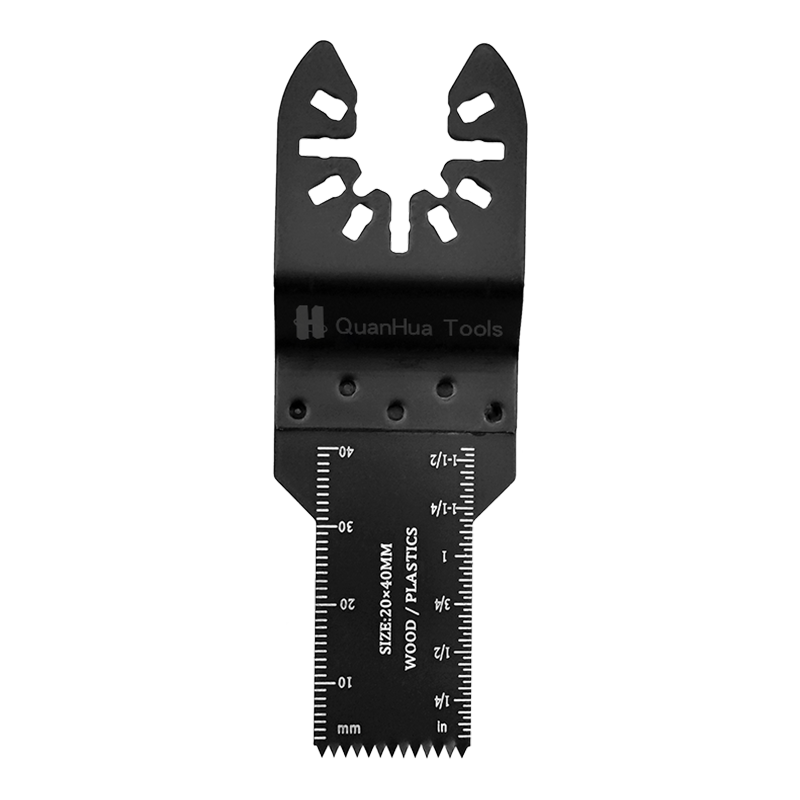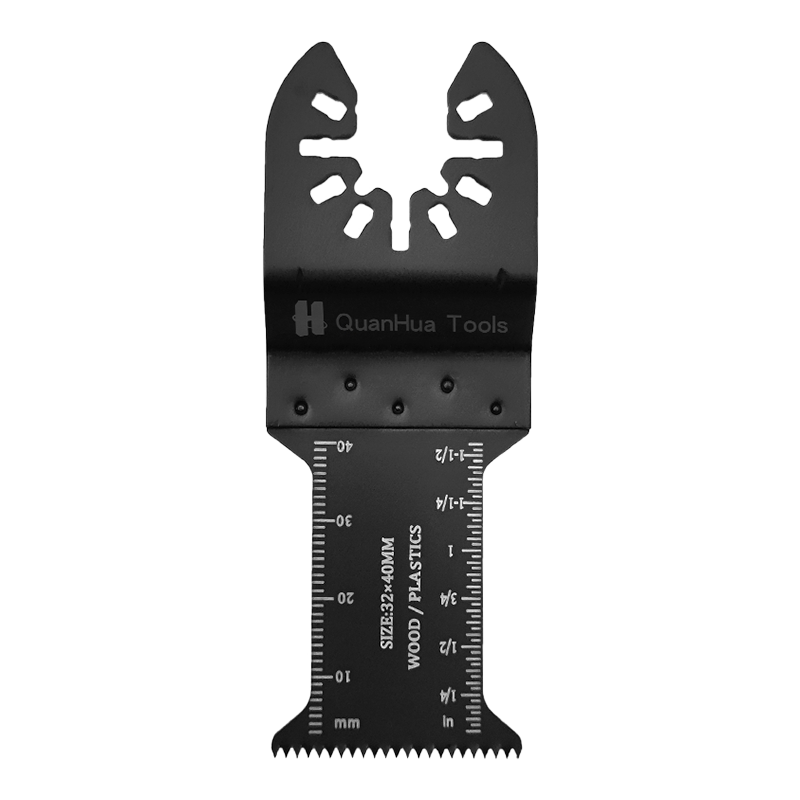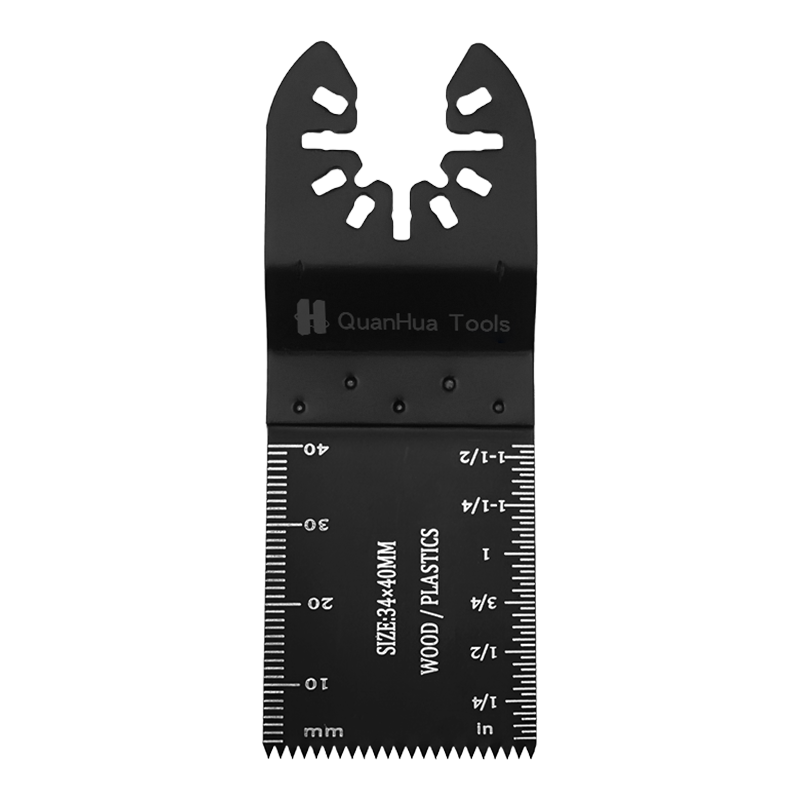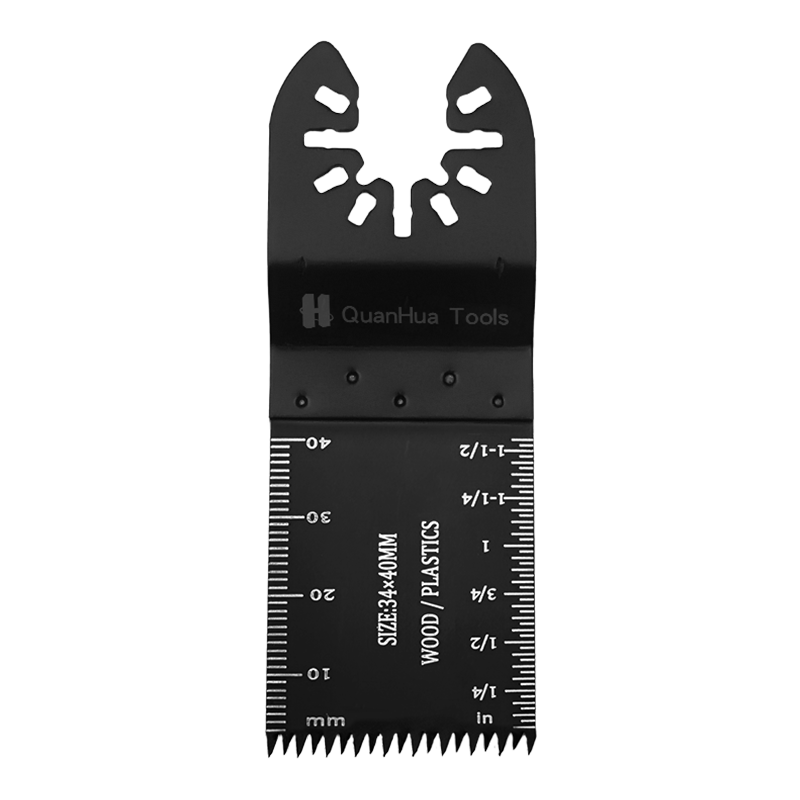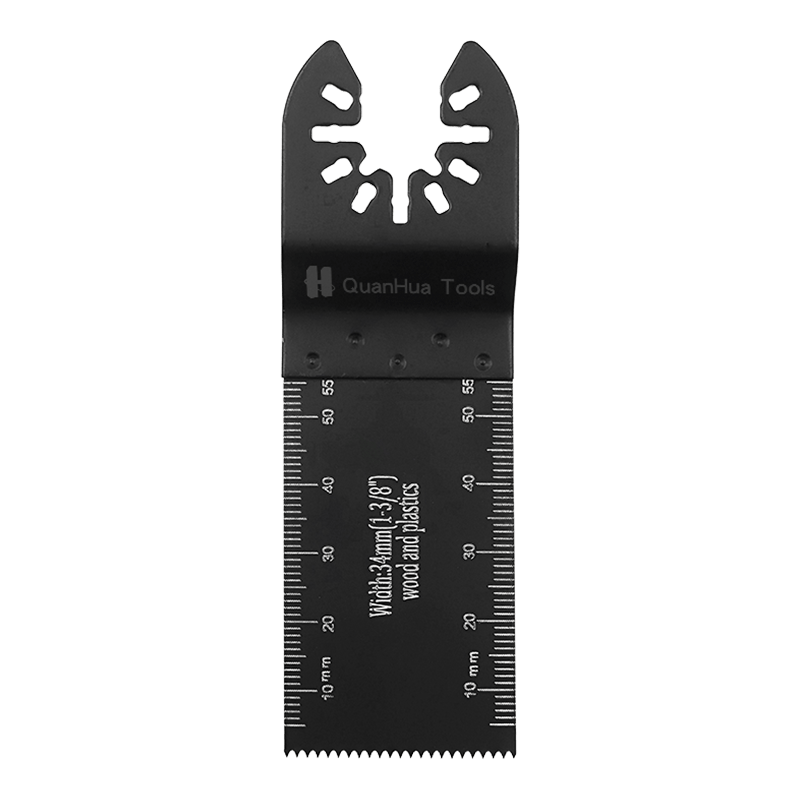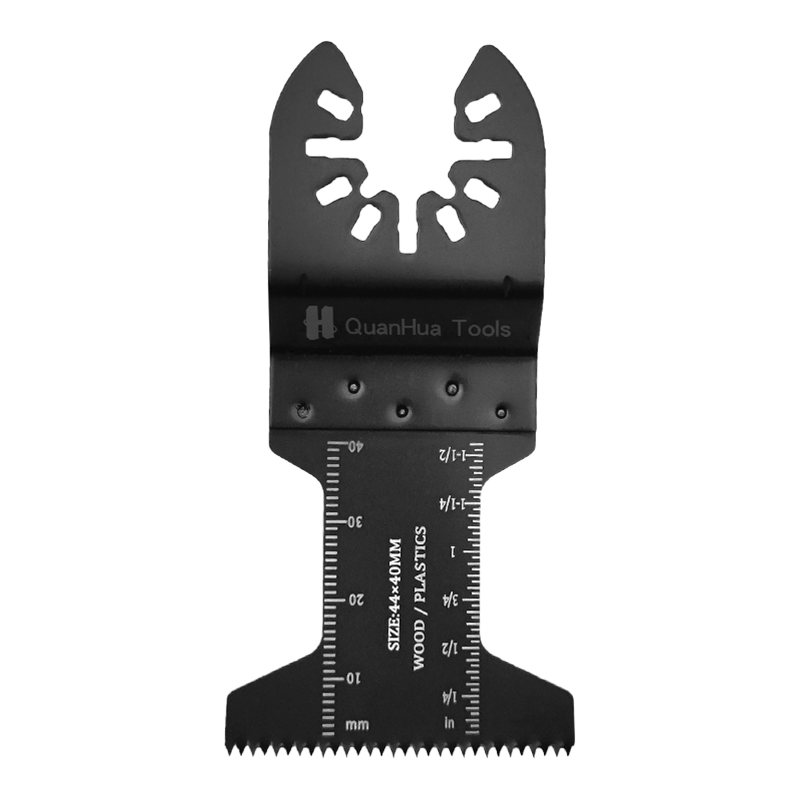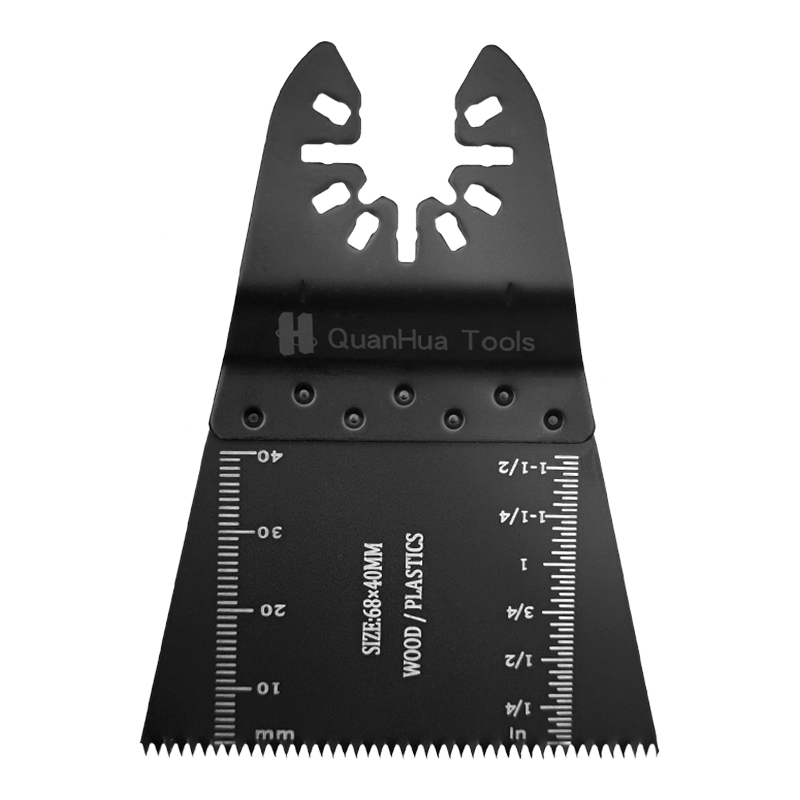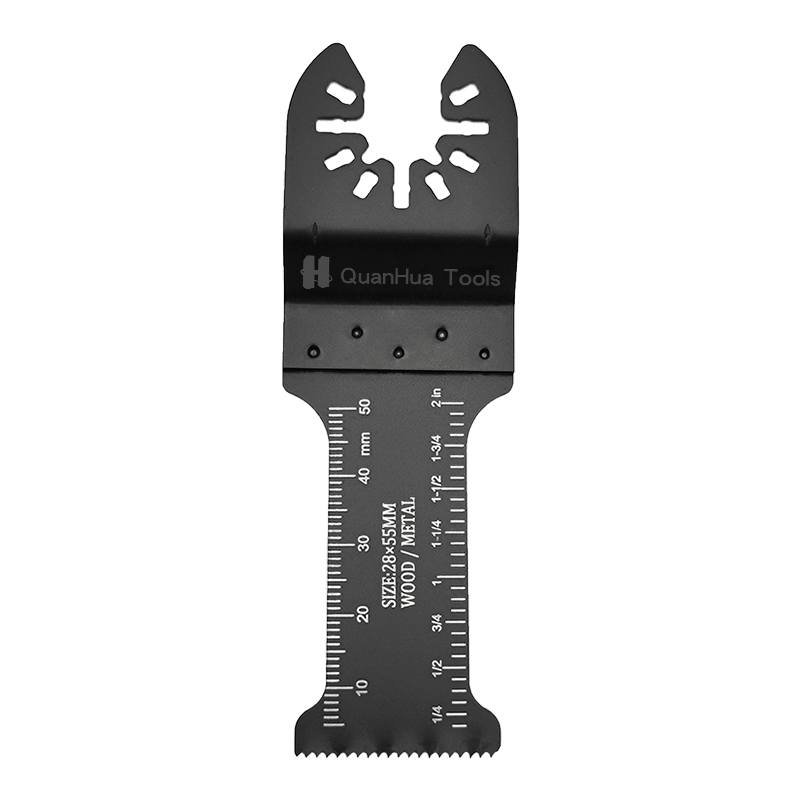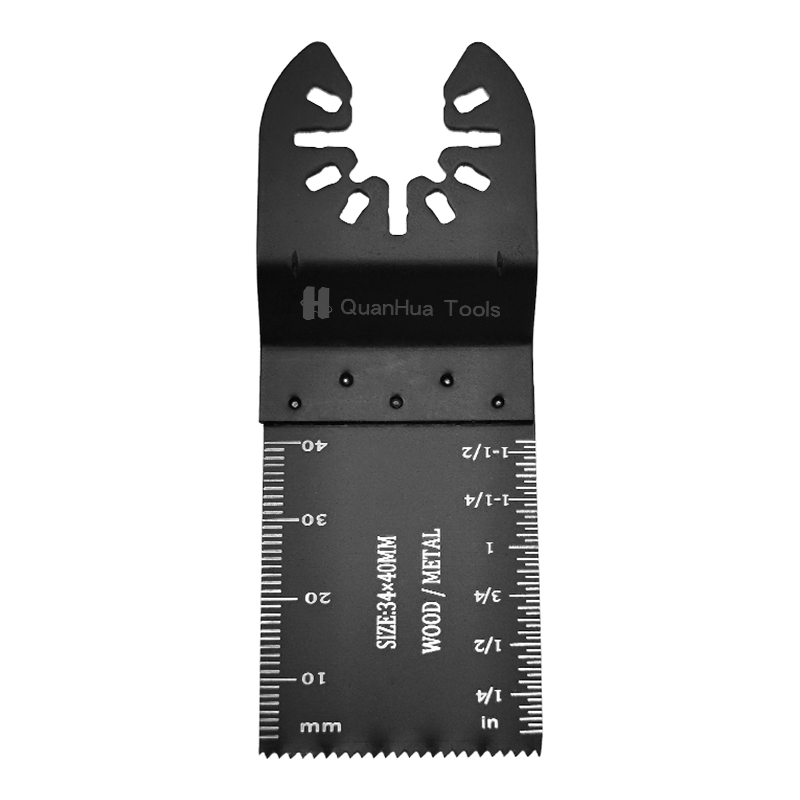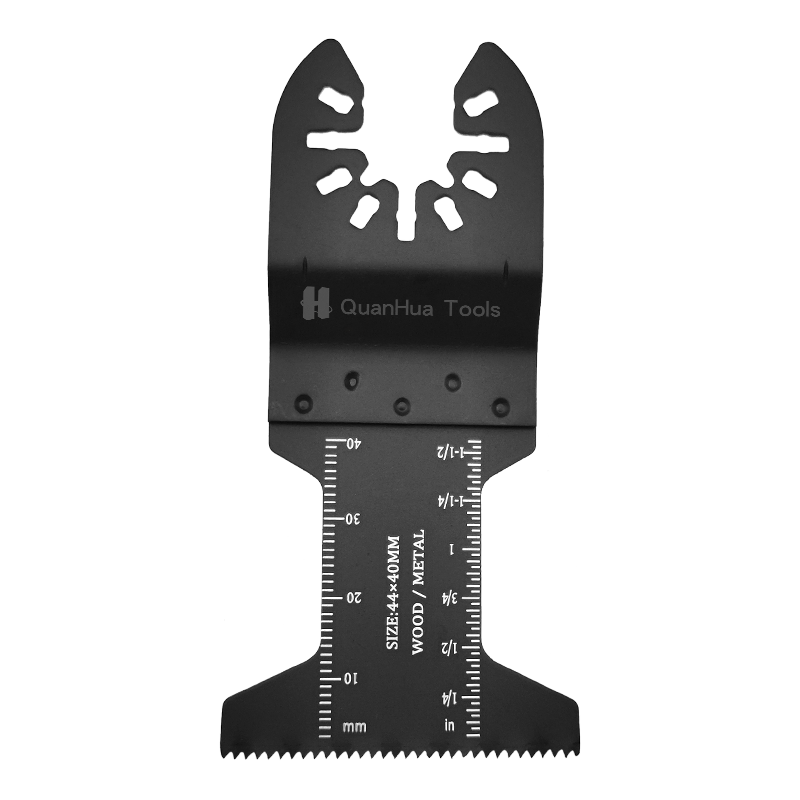

Stainless steel has become the material of choice for sabre saw blades due to its combination of strength, durability, and resistance to wear. These properties make stainless steel blades ideal for both professional and DIY use.
1. Corrosion Resistance
One of the most significant advantages of stainless steel is its corrosion resistance. Unlike carbon steel, which is prone to rust when exposed to moisture or chemicals, stainless steel contains chromium, which forms a passive layer of oxide on the surface of the material. This layer protects the steel from corrosion, making it ideal for saw blades that are often exposed to various environmental conditions, including humidity, water, and acidic substances.
In addition, stainless steel’s resistance to corrosion ensures that the blade does not degrade over time. This is particularly beneficial in outdoor construction, demolition, and other industrial applications where tools are exposed to harsh weather conditions. Users don’t need to worry about the blade rusting or becoming brittle, which can compromise the quality of cuts and reduce the tool’s lifespan.
2. Durability and Longevity
Durability is a major factor when selecting a sabre saw blade. Stainless steel is known for its ability to withstand heavy usage without showing significant signs of wear. This durability makes it an excellent choice for both professional contractors who use tools daily and DIY enthusiasts working on weekend projects.
The material’s ability to retain its shape and strength over time means that stainless steel sabre saw blades last much longer than those made from other metals, such as carbon steel or high-speed steel. Whether cutting through tough materials like metal, wood, or plastic, a stainless steel blade is less likely to become deformed or lose its edge. This results in fewer blade replacements and reduced overall maintenance costs.
3. High-Strength and Toughness
Stainless steel is known for its high-strength and toughness, making it ideal for sabre saw blades that need to withstand high-impact cutting. Whether you are working on wood, metal, or any other material, stainless steel blades can endure the physical stress involved in cutting. This toughness allows for consistent cutting performance, even under demanding conditions.
The table below compares the toughness of stainless steel to other commonly used materials for sabre saw blades:
| Material | Toughness Rating | Durability | Use Case |
|---|---|---|---|
| Stainless Steel | High | Very High | Versatile; wood, metal, plastic |
| Carbon Steel | Medium | Medium | Softwoods, light-duty tasks |
| High-Speed Steel | High | High | Cutting metals, high-speed tasks |
| Titanium Coated Steel | Very High | Very High | Heavy-duty, specialized tasks |
As seen in the table, stainless steel is highly rated for toughness, making it suitable for a wide range of applications, from basic DIY to more demanding industrial tasks.
4. Heat Resistance
When cutting through dense materials, significant friction is generated, which results in heat buildup. Materials like wood or metal can create high temperatures during cutting. Stainless steel is able to tolerate high temperatures without becoming brittle or losing its strength, which is a key advantage over other materials that might warp or degrade under similar conditions.
The heat resistance of stainless steel ensures that the sabre saw blade remains stable even when cutting at high speeds or through thick, tough materials. This property helps in maintaining a consistent cutting edge and prolongs the blade’s overall lifespan. Blades that are resistant to heat also reduce the risk of causing damage to the materials being cut, ensuring that cuts are precise and clean.
5. Sharpness and Precision
Stainless steel is known for its ability to be sharpened to a fine edge, which makes it ideal for tasks that require precision cutting. Whether you are working on intricate projects that demand accuracy or performing general cutting tasks, stainless steel sabre saw blades allow for smoother, cleaner cuts.
One of the benefits of stainless steel’s sharpness is its ability to maintain the cutting edge over extended periods. While softer materials may dull quickly, stainless steel resists wear, allowing the blade to stay sharp for longer. This means fewer interruptions for sharpening and a more efficient cutting process overall.
6. Low Maintenance
Low maintenance is another reason why stainless steel is the preferred material for sabre saw blades. Carbon steel blades, for example, require regular maintenance to prevent rust and deterioration. On the other hand, stainless steel blades do not need to be regularly oiled or stored in special conditions to prevent rusting.
The inherent resistance to corrosion means that stainless steel blades perform well even in less-than-ideal storage conditions. Whether left in a tool shed, exposed to the elements, or used in humid environments, stainless steel blades will not degrade as quickly, making them easier to manage and maintain.
7. Versatility in Cutting
One of the biggest advantages of stainless steel sabre saw blades is their versatility. These blades can be used to cut a variety of materials, including wood, metal, plastic, PVC, and even tiles. The versatility of stainless steel blades means they are suitable for a wide range of applications, from DIY home improvement projects to industrial construction.
Whether you’re cutting through soft materials like pine or tackling harder materials like steel pipes, a stainless steel sabre saw blade is designed to handle the job with efficiency. The broad application of stainless steel blades makes them highly sought after for multi-purpose use.
8. Resistance to Wear and Tear
The wear resistance of stainless steel is another key factor in its popularity. Over time, frequent use can wear down the cutting edges of a blade. However, stainless steel blades retain their sharpness and cutting power much longer than blades made from other materials. This resistance to wear and tear translates to fewer replacements and extended use before the blade begins to degrade.
This property is particularly important in professional settings where blades are put through rigorous daily tasks. Using stainless steel blades helps to reduce operational costs related to frequent blade replacements.
9. Better Performance in Extreme Conditions
Stainless steel blades perform reliably in extreme conditions. Whether you’re working in high or low temperatures, or using the saw in dusty, humid, or chemically hazardous environments, stainless steel offers consistent performance. The blade is less likely to warp, rust, or degrade in these conditions compared to blades made from less durable materials.
These high-performance characteristics make stainless steel sabre saw blades particularly effective for heavy-duty industrial work and construction, where tools are subjected to challenging conditions on a regular basis.
10. Eco-Friendly and Recyclable
Finally, stainless steel is an environmentally friendly material. It is 100% recyclable, which means that at the end of the blade’s life cycle, it can be recycled and reused for other products. This helps reduce the environmental impact of tool disposal and contributes to sustainability.
Additionally, the durability and longevity of stainless steel blades mean fewer replacements, reducing the overall waste generated by the use of tools over time. Choosing stainless steel is an environmentally responsible choice for both professionals and consumers.
FAQ
Q1: Can stainless steel sabre saw blades cut through metals?
Yes, stainless steel sabre saw blades are highly effective at cutting through various metals, including aluminum, steel, and copper, depending on the blade’s design and tooth configuration.
Q2: How do I maintain my stainless steel sabre saw blade?
While stainless steel blades are low-maintenance, it is important to clean them after use, especially if cutting through materials that leave residue. Regularly inspect the blade for any signs of wear, and store it in a dry place to maximize its lifespan.
Q3: How do stainless steel sabre saw blades compare to high-speed steel blades?
High-speed steel blades are known for their ability to cut through tough materials at high speeds. However, stainless steel blades offer superior corrosion resistance and can handle a wider range of materials with less maintenance.
Q4: Are there any downsides to stainless steel sabre saw blades?
While stainless steel blades offer many advantages, they are typically more expensive than carbon steel blades. However, the investment is worthwhile due to the increased durability and performance.
References
- Smith, J. (2021). The Benefits of Stainless Steel Tools in Construction. Industrial Tool Review, 15(4), 98-104.
- Johnson, R. (2020). Choosing the Right Saw Blade for Your Project. DIY Tools Monthly, 10(2), 35-39.
- Wilson, D. (2019). Material Properties of Stainless Steel in Heavy-Duty Applications. Journal of Material Science, 18(1), 65-72.