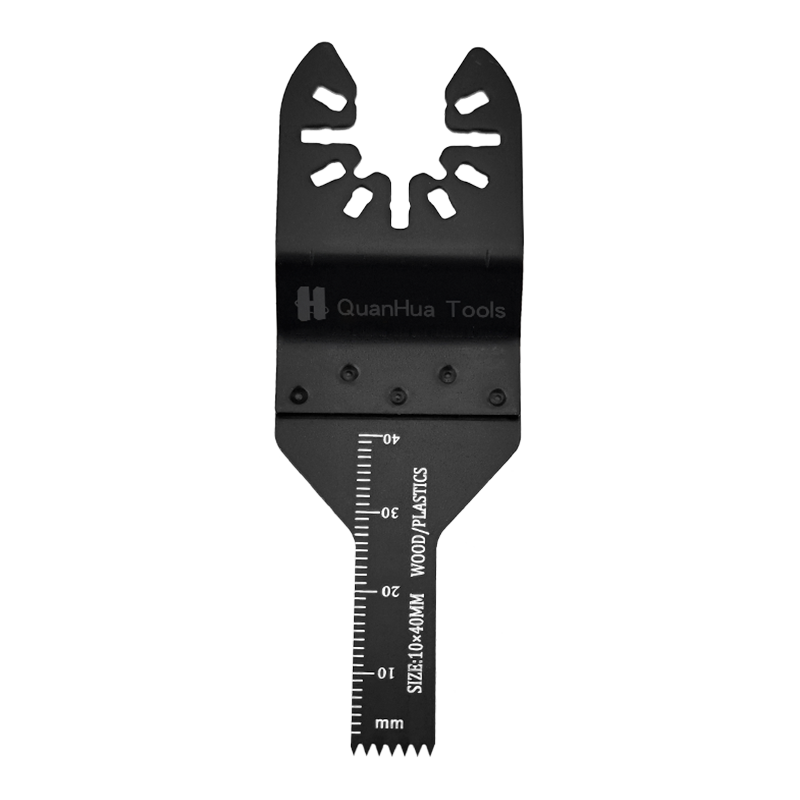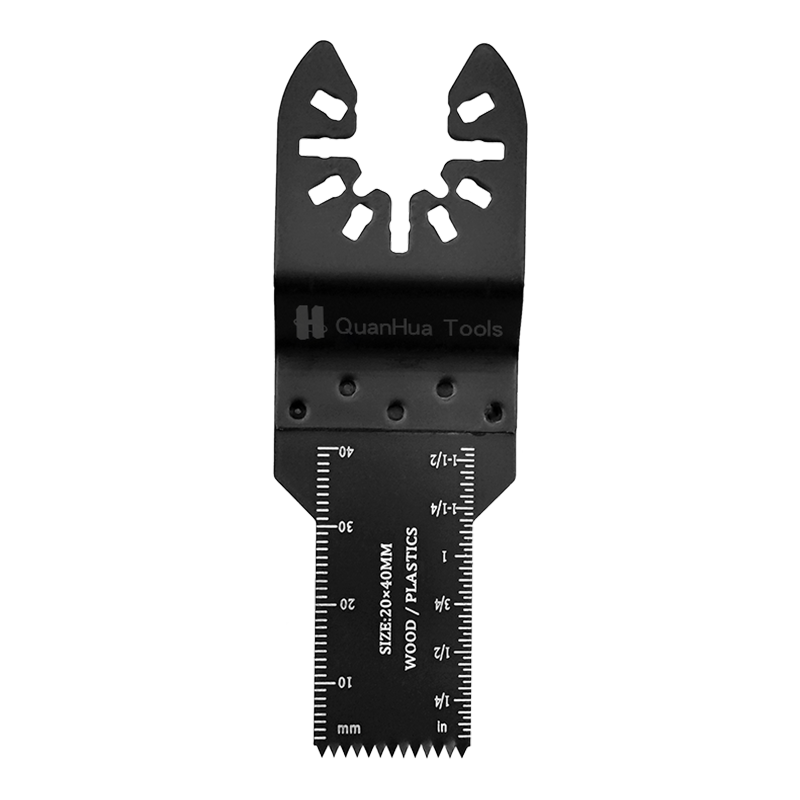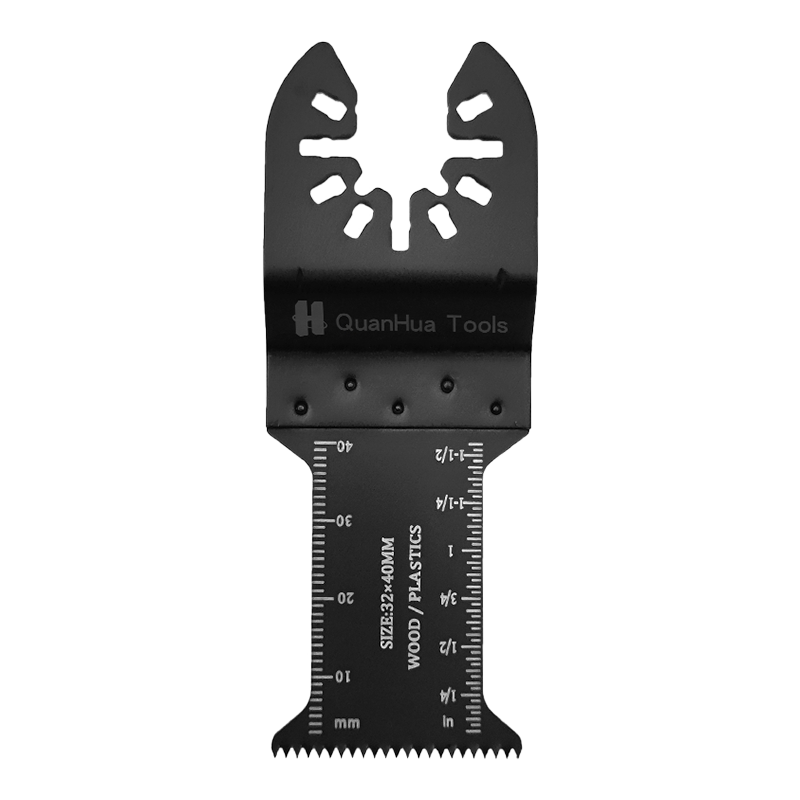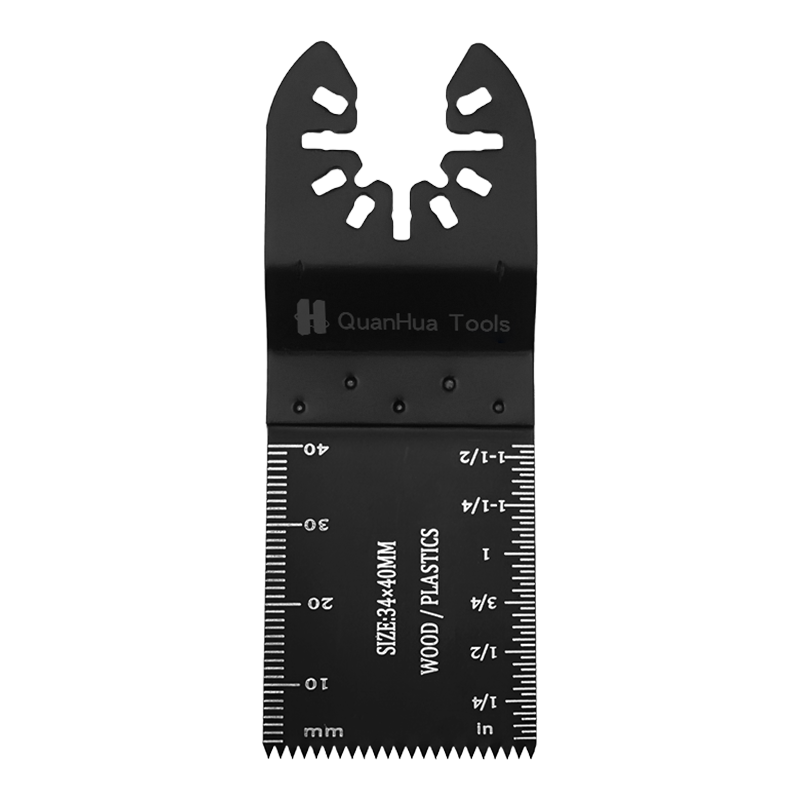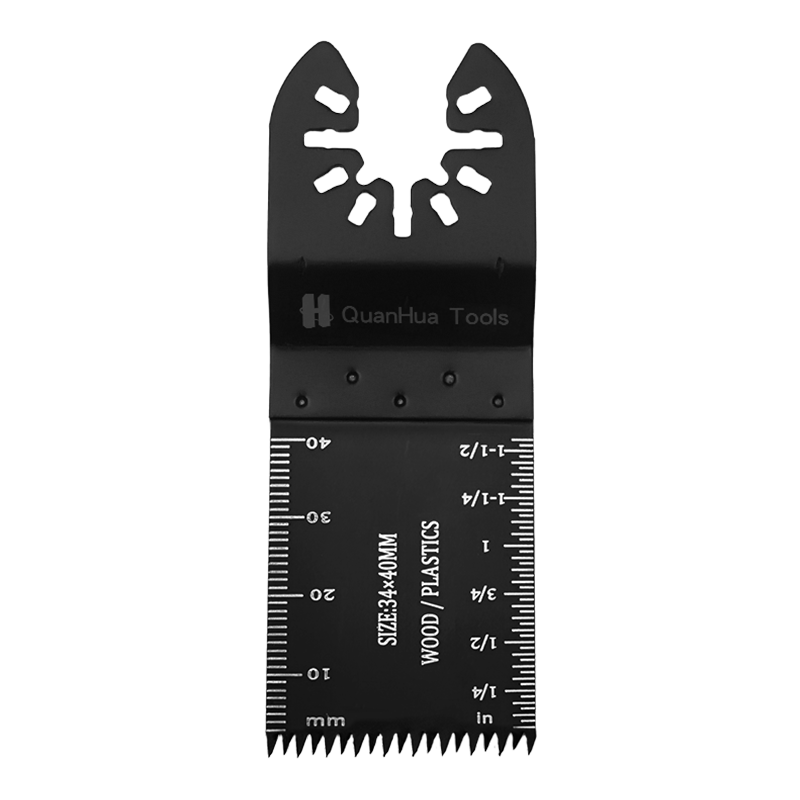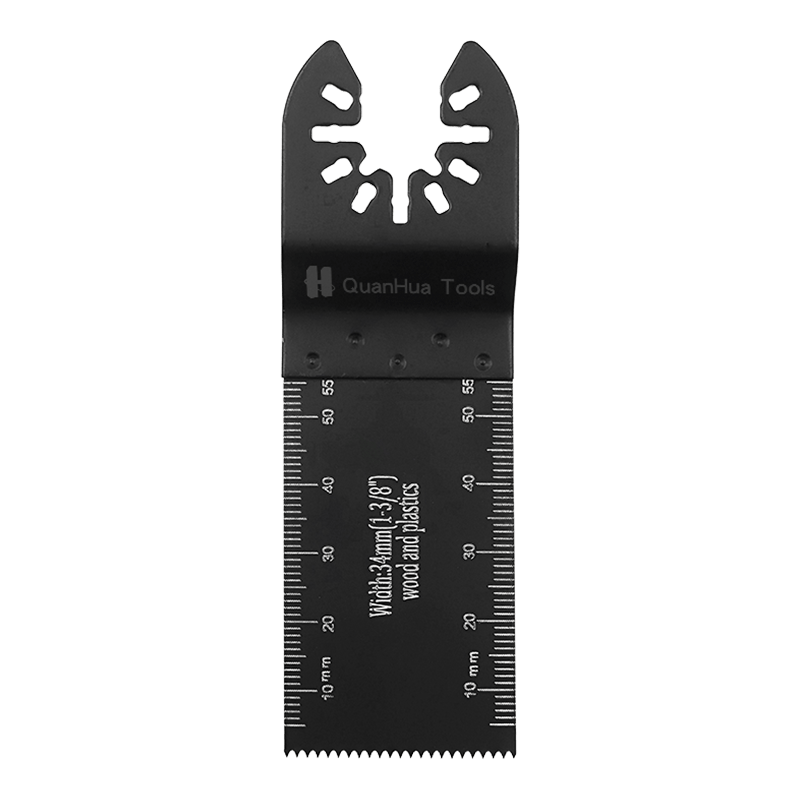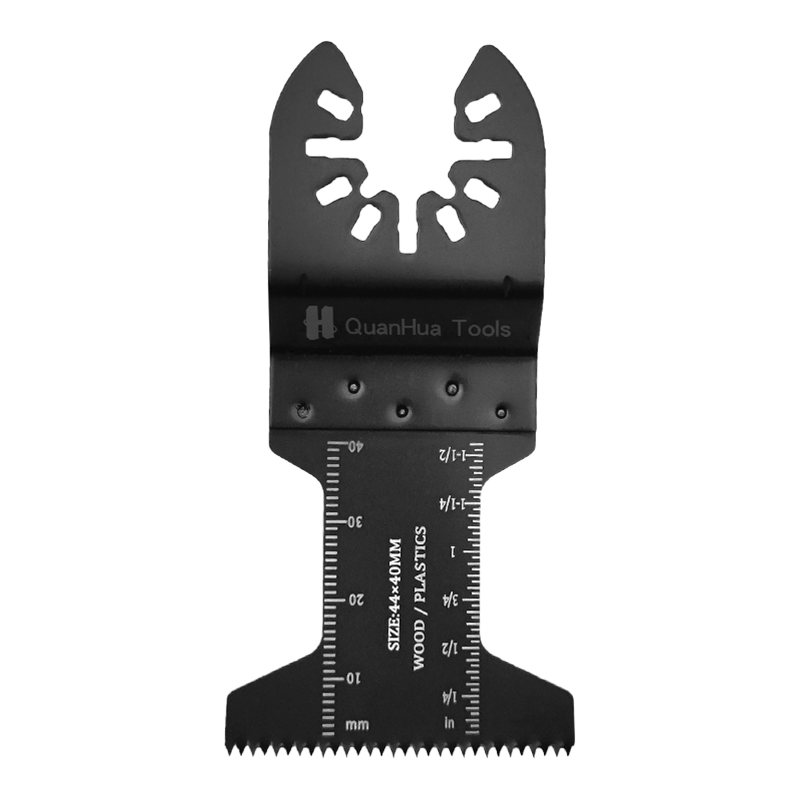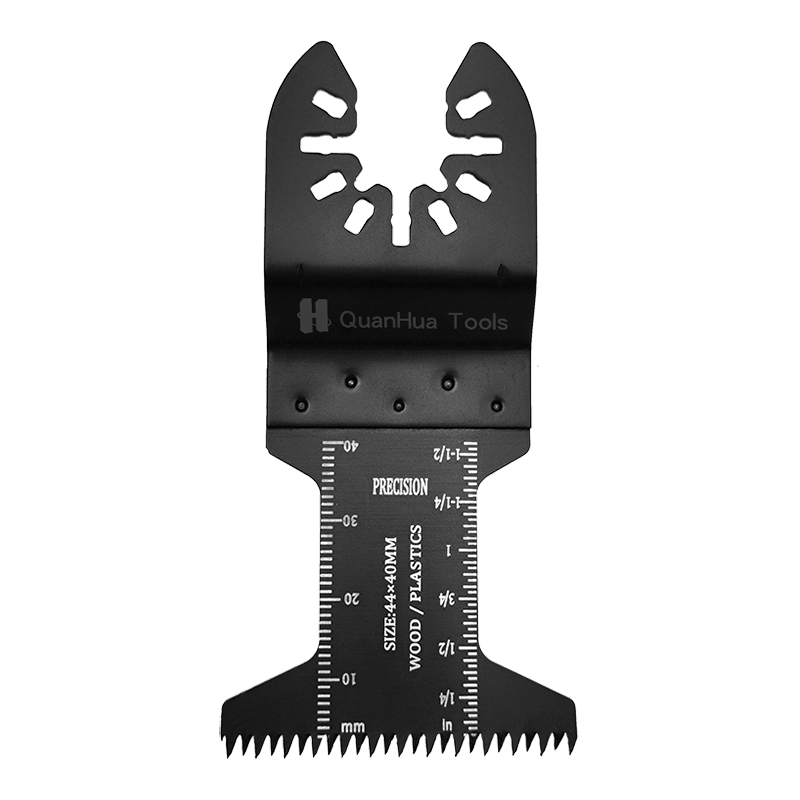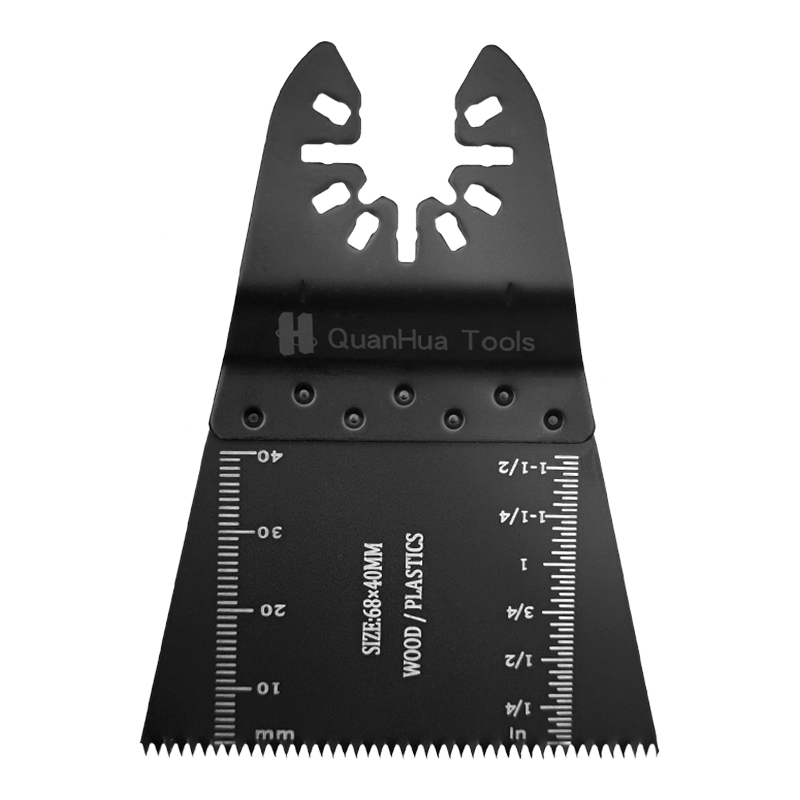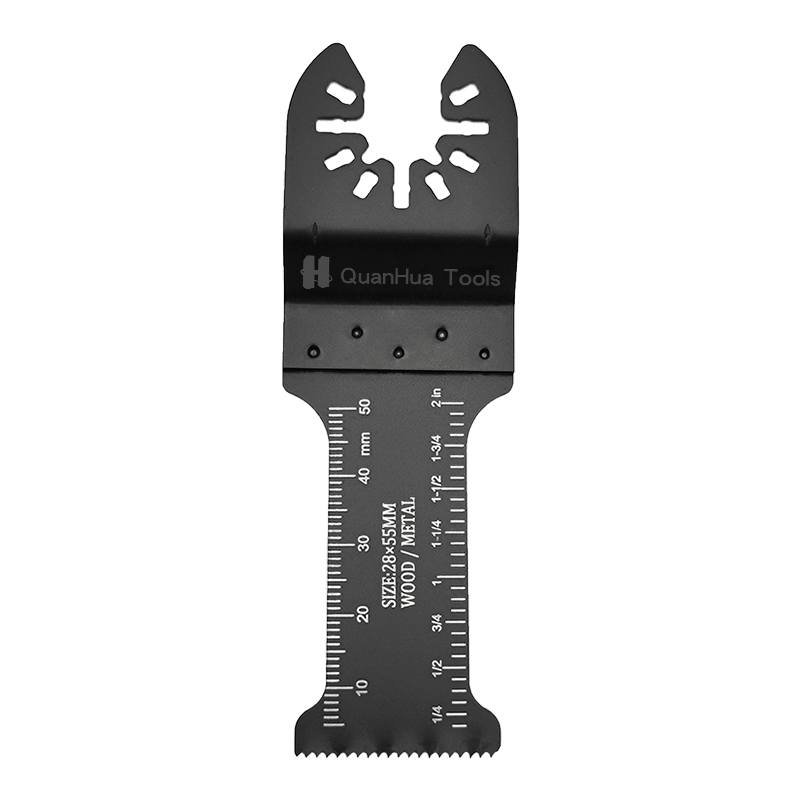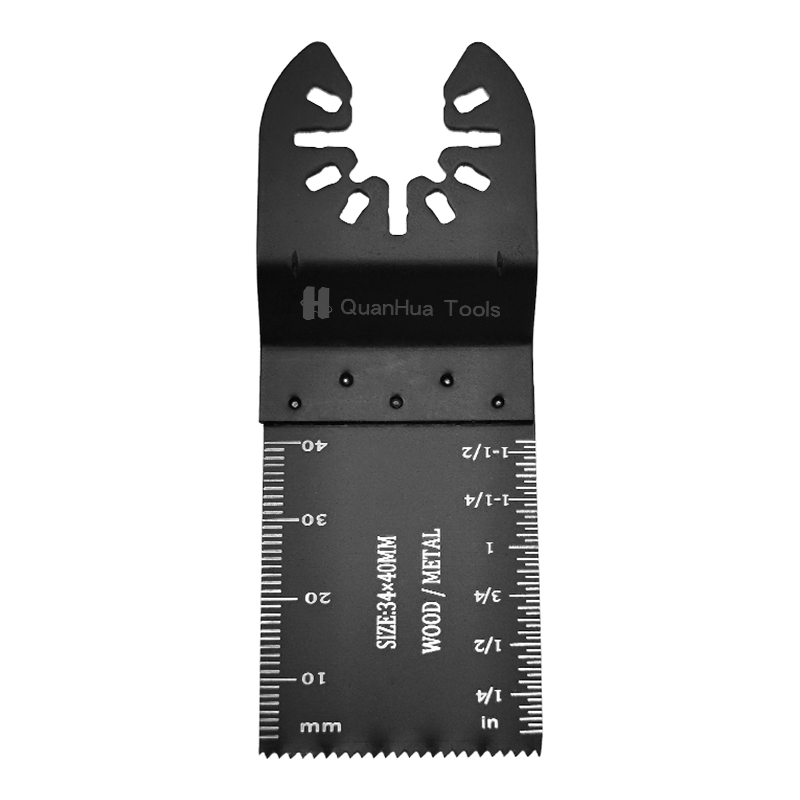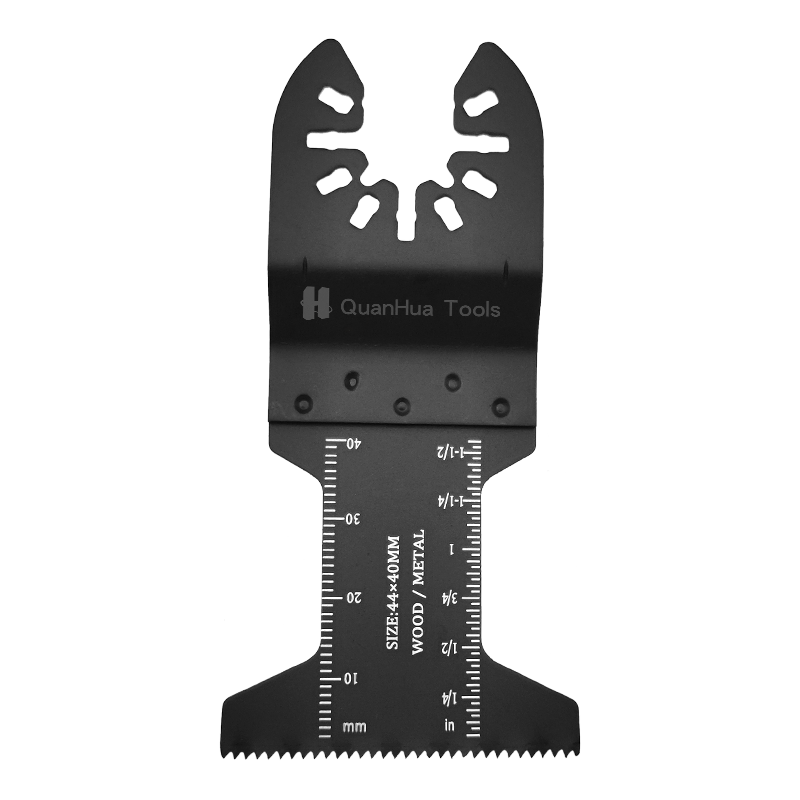

High carbon steel (HCS) sabre saw blades are specialized cutting tools designed for precision and efficiency in cutting soft materials such as wood, plastic, and composite boards. Made primarily from high carbon steel, these blades combine hardness, sharpness, and flexibility to deliver clean cuts while resisting breakage during light-duty applications. HCS blades are widely used in DIY projects, woodworking, and light industrial work, offering an affordable yet effective solution for everyday cutting tasks.
The working principle of HCS sabre saw blades is straightforward: the teeth bite into the material and remove small chips with each stroke, creating a smooth cut. Their carbon-rich composition allows the teeth to remain sharp over repeated use, though excessive heat or cutting harder materials may reduce their lifespan. The blades’ flexibility allows for curved cuts and intricate designs that require maneuverability and precision.
Modern HCS sabre saw blades come in various tooth configurations, including fine-tooth, medium-tooth, and coarse-tooth blades. Fine-tooth blades are ideal for thin materials and precision cuts, while coarse-tooth blades are used for faster cutting in thicker wood. Many blades are T-shank or U-shank compatible, making them widely adaptable to most jigsaws and sabre saw machines.
Advantages of High Carbon Steel Sabre Saw Blades
HCS blades are known for several advantages:
- Flexibility: Ideal for curved cuts and delicate materials.
- Cost-effectiveness: Affordable for DIY and light-duty work.
- Lightweight: Reduces operator fatigue during prolonged use.
- Sharpening: Can often be re-sharpened if properly maintained.
However, HCS blades are less suitable for cutting metals or high-density composites, as the teeth wear quickly under high heat and load.
Performance Table: HCS Sabre Saw Blade Applications
| Feature | HCS Sabre Saw Blade | Best Use |
|---|---|---|
| Material | High carbon steel | Wood, plastic, soft composites |
| Tooth Design | Fine, medium, coarse | Precision cuts, general-purpose, fast cutting |
| Flexibility | High | Curves, intricate cuts |
| Heat Resistance | Moderate | Suitable for short cutting sessions |
| Cost | Low | Affordable for DIY and light industrial use |
FAQ: High Carbon Steel Sabre Saw Blades
Q1: Can HCS blades cut metal?
No, they wear out quickly and are not recommended for metal cutting. Use bi-metal blades for metals.
Q2: How do I maintain HCS blades?
Clean after use, avoid overheating, and store in a dry environment.
Q3: Are HCS blades suitable for curved cuts?
Yes, their flexibility makes them ideal for intricate shapes and curves.
Q4: How long do HCS blades last?
With proper use, they last for light to medium projects but will wear faster on harder materials.
Q5: Can they be used on power jigsaws?
Yes, most HCS sabre saw blades are compatible with standard T-shank or U-shank jigsaws.
References
- Bosch Power Tools – High Carbon Steel Sabre Saw Blade Guide
- Makita – Choosing the Right Sabre Saw Blade
- Woodworking Journal – Performance and Applications of HCS Blades
- Industrial Cutting Handbook – Maintenance and Efficiency of HCS Saw Blades