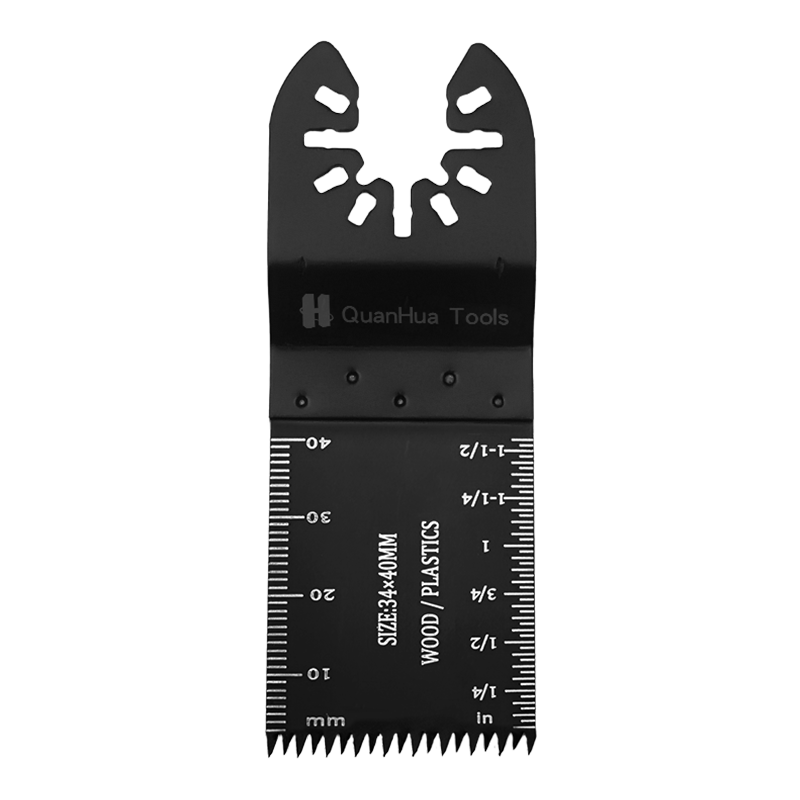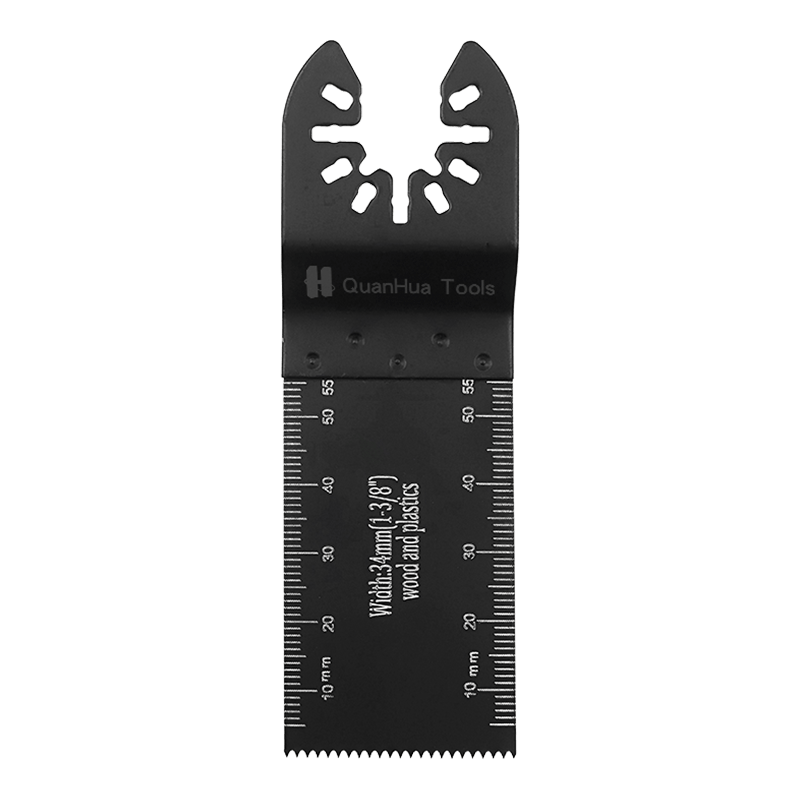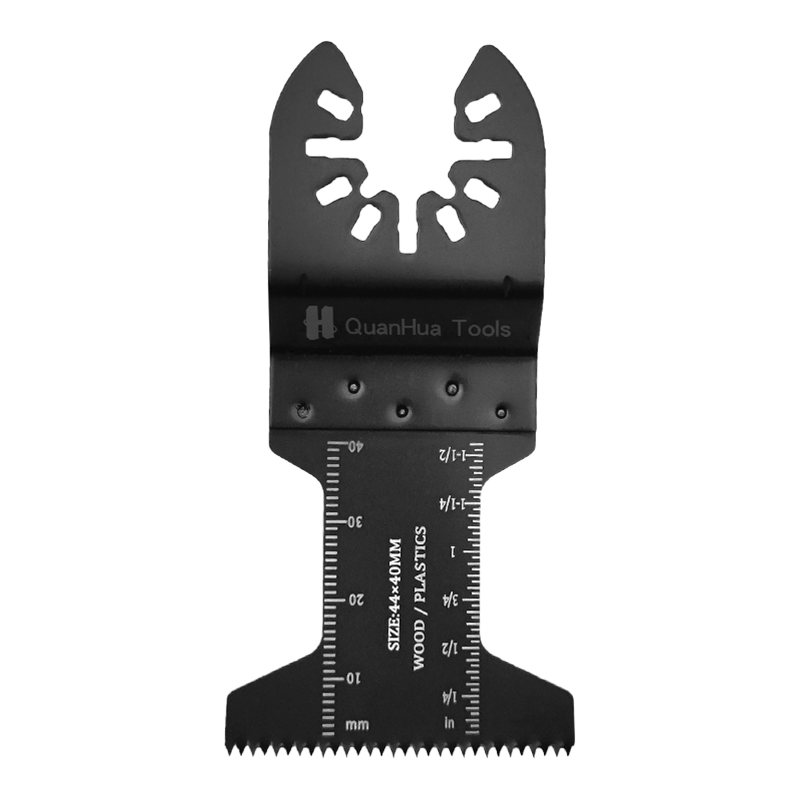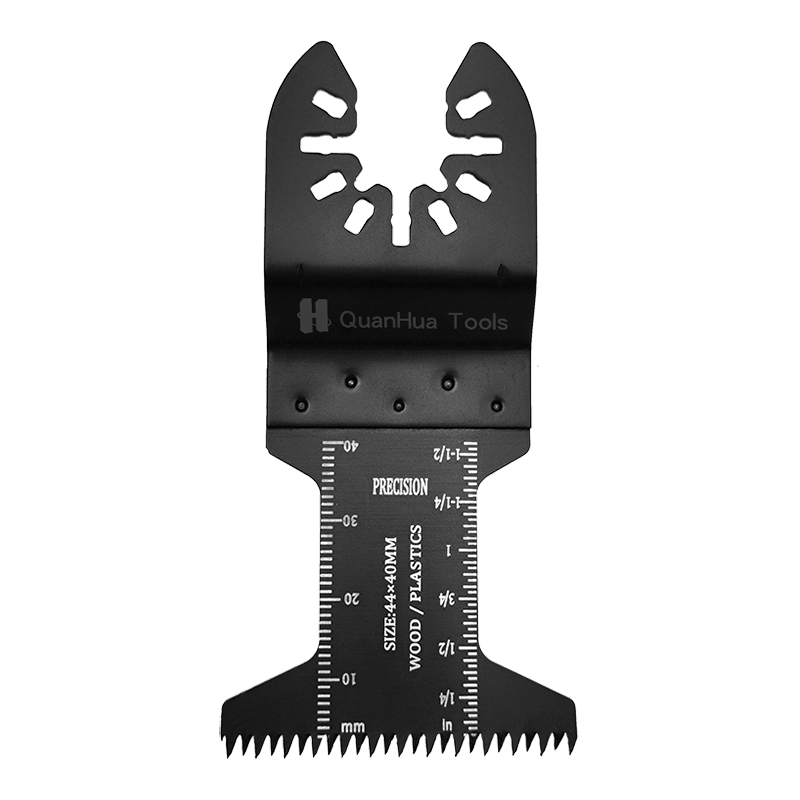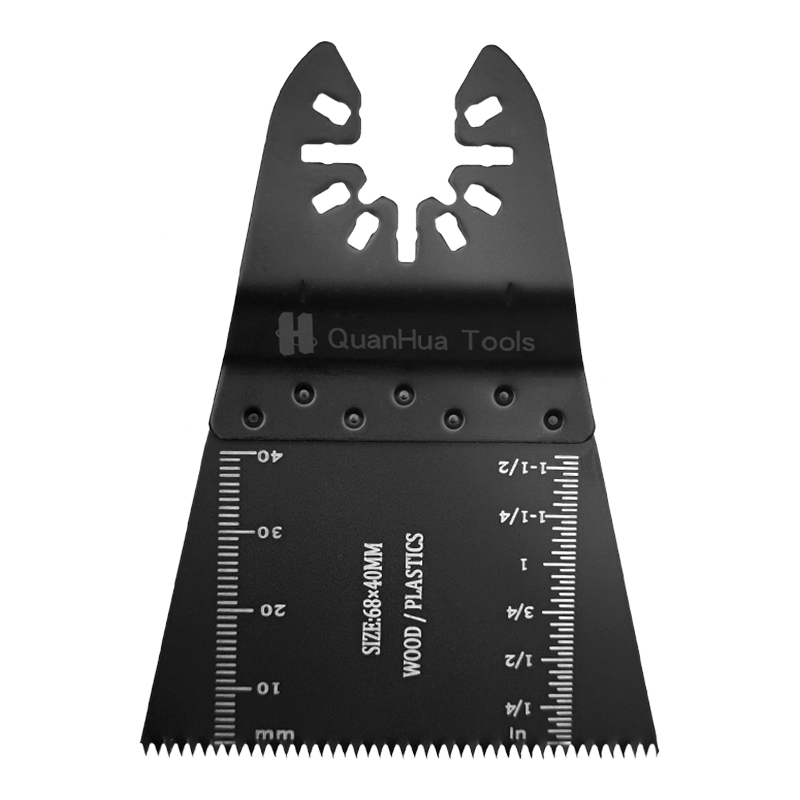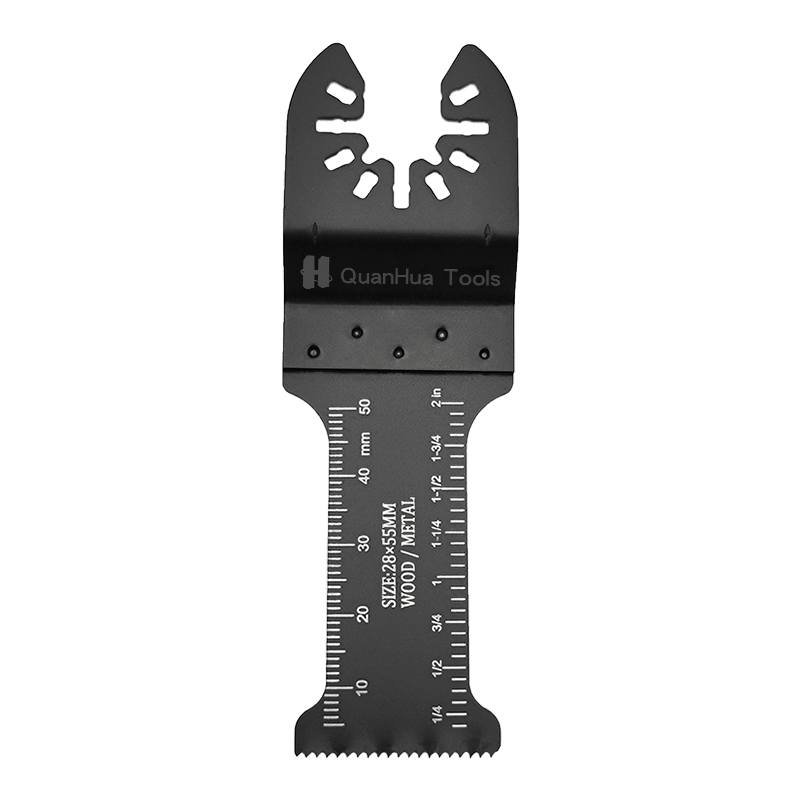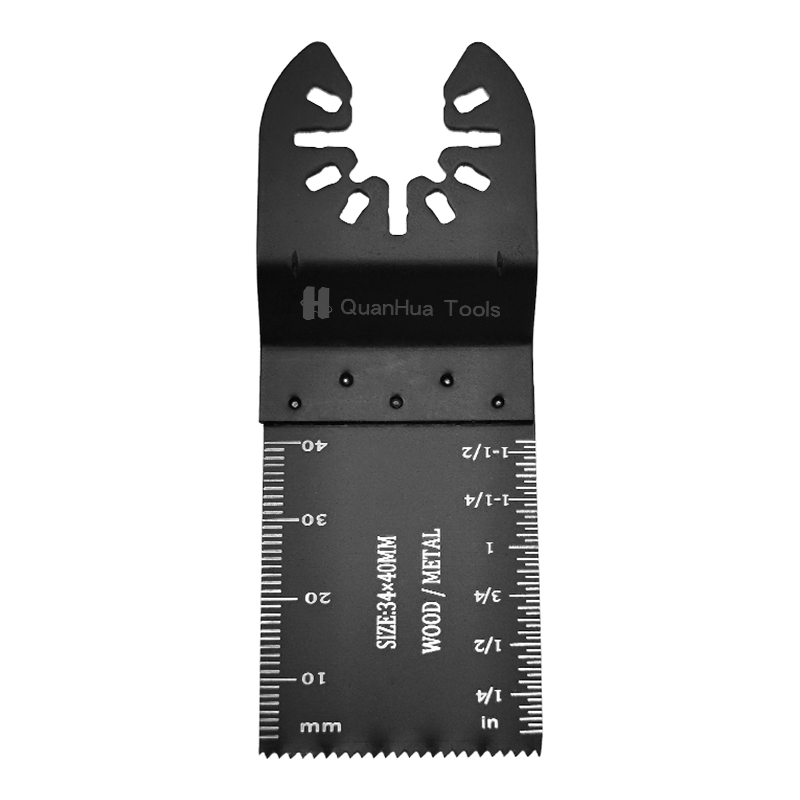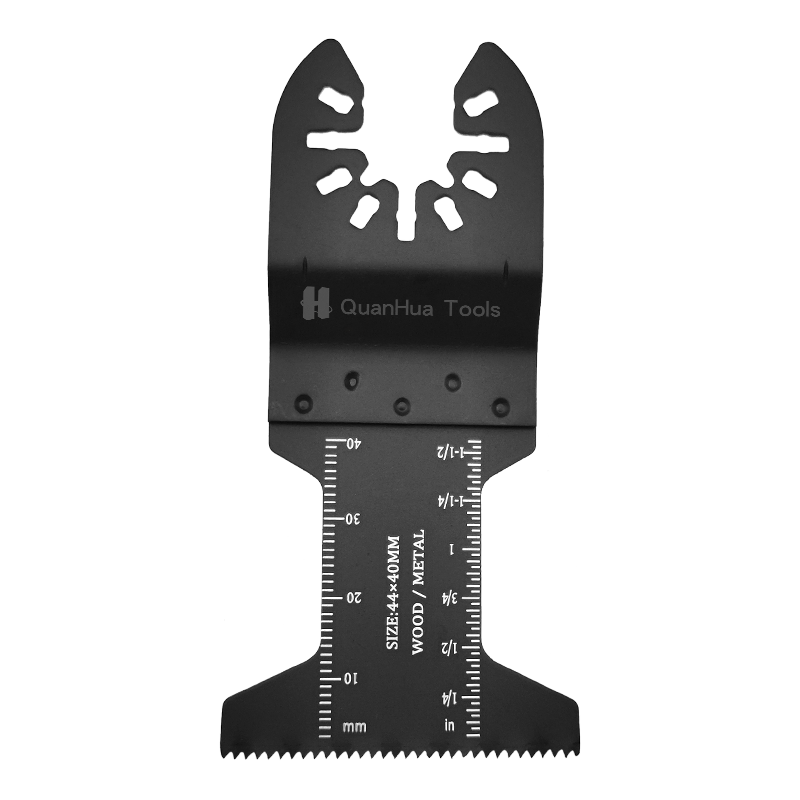

In the demanding world of demolition, construction, and metal fabrication, the sabre saw blade (commonly known as a reciprocating saw blade) is an indispensable tool. However, one of the most frequent complaints from site managers and DIYers alike is the rapid loss of cutting efficiency. A blade that should last for dozens of cuts often becomes useless after just a few. Understanding the science behind blade wear is the first step toward reducing overhead costs and improving job site safety.
The Science of Friction: Why Sabre Saw Blades Fail Prematurely
To solve the problem of a dulling sabre saw blade, we must first understand the physics of the cut. The primary enemy of any cutting edge is localized heat. When a saw operates at high speeds, the friction between the metal teeth and the workpiece generates temperatures that can exceed the tempering limits of the tool steel.
Thermal Softening and Molecular Breakdown
Most standard blades are crafted from High Carbon Steel (HCS) or Bi-Metal. When the cutting edge reaches a “critical temperature,” a process called thermal softening occurs. The microscopic sharp points of the teeth lose their hardness and begin to “roll over.” Once this happens, the blade stops shearing the material and starts rubbing against it, which generates even more heat in a destructive feedback loop.
- Identifying Heat Damage: If you notice your blade has developed a blue, straw, or purple discolouration, it has been “burned.” This is a clear sign that the tool speed was too high for the material density, permanently altering the steel’s metallurgy.
Mechanical Failure: Tooth Stripping
Another reason for rapid dulling is actually “tooth stripping.” This happens when the TPI (Teeth Per Inch) is incorrectly matched to the material thickness. If the teeth are too large for a thin piece of metal, they will catch and snap off rather than cut. A blade with missing teeth creates excessive vibration (chatter), which dulls the remaining teeth almost instantly. Professional reciprocating saw blade guides always recommend having at least three teeth in contact with the material at all times to prevent this mechanical failure.
Material Selection: Bi-Metal vs. Carbide Tipped Blades
One of the most effective ways to boost your website’s SEO and solve user problems is to address material compatibility. Using the wrong blade material is the number one cause of rapid dulling. If you are cutting hardened steel with a standard wood blade, failure is guaranteed within seconds.
The Durability of Bi-Metal (BIM)
Bi-Metal sabre saw blades are the workhorses of the industry. They consist of a flexible spring-steel body laser-welded to a hardened high-speed steel (HSS) tooth edge. This combination offers a balance of flexibility and hardness. BIM blades are excellent for:
- Nail-embedded wood.
- Non-ferrous metals like copper and aluminum.
- Mild steel pipes and structural studs.
However, BIM has its limits. When faced with high-tensile stainless steel or cast iron, even the best Bi-Metal blade will dull quickly.
The Rise of Carbide Technology
For extreme applications, Carbide-tipped sabre saw blades are the premium solution. By welding individual carbide grains or tips to the blade, manufacturers create a tool that can withstand much higher temperatures than HSS.
- Cost-Benefit of Carbide: While a carbide blade may cost 3 to 5 times more than a Bi-Metal one, it can last up to 50 times longer in abrasive materials like fibre cement, cast iron, and high-strength alloys. Transitioning to carbide for “severe service” is the most effective way to extend tool life and reduce the frequency of blade changes.
Operational Habits: Technique Over Torque
Even the highest-quality sabre saw blade will fail if the operator’s technique is flawed. Extending blade life is as much about how you use the tool as it is about the blade itself.
Speed Control and “Trigger Discipline”
Most users run their reciprocating saws at 100% speed regardless of the material. This is a fatal mistake for metal cutting.
- The “Slow and Steady” Rule for Metal: High speeds on metal create an exponential increase in friction heat. To extend blade life, you should reduce the saw’s speed to about 50-70% when cutting steel. This allows the teeth to “bite” into the material and clear the chips without reaching the thermal softening point.
The Importance of the Saw Shoe
The “shoe” is the adjustable metal plate at the front of the saw. Many operators “free-float” the saw in the air, which causes massive vibration.
- Reducing Vibration: You should always press the shoe firmly against the workpiece. This stabilizes the blade, ensures a straight cut, and prevents the “chatter” that chips away at the sharp edges of the teeth.
Utilizing Lubricants
For metal fabrication, using a cutting wax or a few drops of oil can dramatically increase sabre saw blade longevity. Lubrication reduces the coefficient of friction, keeping the teeth cool and allowing them to slide through the material more efficiently. This simple step can often double the number of cuts you get out of a single BIM blade.
Technical Selection Table: TPI and Material Guide
| Material Type | Recommended Blade Material | Recommended TPI | Speed Setting |
|---|---|---|---|
| Soft Wood / Pruning | HCS (High Carbon Steel) | 5 - 8 TPI | High |
| Nail-Embedded Wood | Bi-Metal (BIM) | 6 - 10 TPI | Medium-High |
| Thick Metal / Steel Pipe | Bi-Metal or Carbide | 8 - 14 TPI | Medium |
| Thin Sheet Metal | Bi-Metal | 18 - 24 TPI | Low-Medium |
| Cast Iron / Stainless | Carbide Tipped | 8 - 10 TPI | Low |
FAQ: Frequently Asked Questions
Q1: What does TPI stand for, and why does it matter for blade life?
TPI stands for Teeth Per Inch. Choosing the correct TPI is vital; too few teeth on thin metal will strip the blade, while too many teeth on thick wood will clog the blade and cause it to overheat.
Q2: Can I use a wood-cutting blade for PVC pipes?
Yes, but a medium TPI (10-14) Bi-Metal blade is better. Large wood teeth can crack the PVC, while the friction of a wood blade can melt the plastic, clogging the teeth and dulling the edge.
Q3: Why is my blade bending during the cut?
Bending usually happens because the blade is too thin for the task or the operator is applying too much side-pressure. For heavy demolition, look for “Thick Kerf” blades (0.062 inches thick), which offer better rigidity.
Q4: How do I know when it’s time to throw a blade away?
If you find yourself having to push significantly harder to make progress, or if the blade is producing smoke instead of chips, the tempering is gone. Continuing to use a dull blade puts unnecessary strain on your saw’s motor.
References & Authority Citations
- Power Tool Institute (PTI): Safe Operation and Maintenance of Reciprocating Saws.
- Manufacturing Engineering Journal: A Study on the Wear Resistance of Carbide vs. High-Speed Steel in Interrupted Cutting.
- ASTM Standard E647: Standard Test Method for Measurement of Fatigue Crack Growth Rates in Tool Steels.
- ISO 9001 Certified Tooling Standards: Guidelines for Industrial Saw Blade Metallurgy.