
1. Introduction
When it comes to cutting wood, metal, or plastic, choosing the right saw blade is crucial. Among the many tools and blades available, the Sabre Saw Blade (also known as a reciprocating saw blade) stands out for its versatility and convenience. However, many people are still unclear about how it differs from other blades, such as circular saw blades or jigsaw blades. This article will provide a detailed analysis of the characteristics of Sabre Saw Blades, their applications, and the differences compared to other common saw blades, helping you choose the best tool for your project.
The Sabre Saw Blade is primarily used with a reciprocating saw, designed for high-efficiency cutting across a variety of materials. Whether you are demolishing old structures, cutting metal pipes, or performing home renovation tasks, the Sabre Saw Blade proves to be an essential tool. Understanding its unique features allows you to make more precise tool choices, saving both time and money.
Furthermore, this article will explore the tooth design, material compatibility, and cutting style of Sabre Saw Blades, helping readers select the most suitable blade for different scenarios. Whether you are a DIY enthusiast or a professional woodworker, this guide will provide practical and actionable insights.
2. What is a Sabre Saw Blade
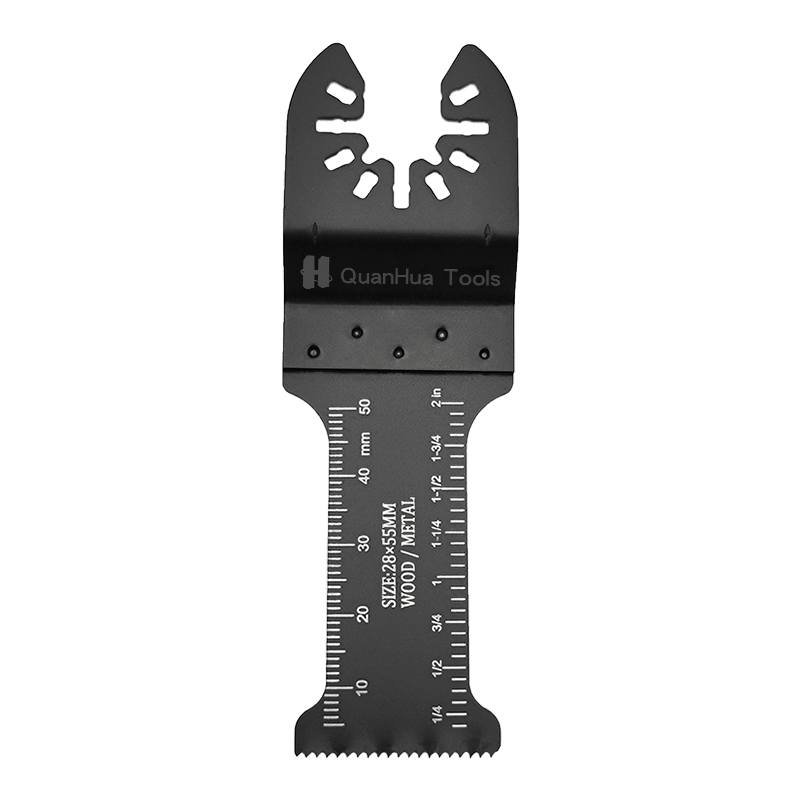
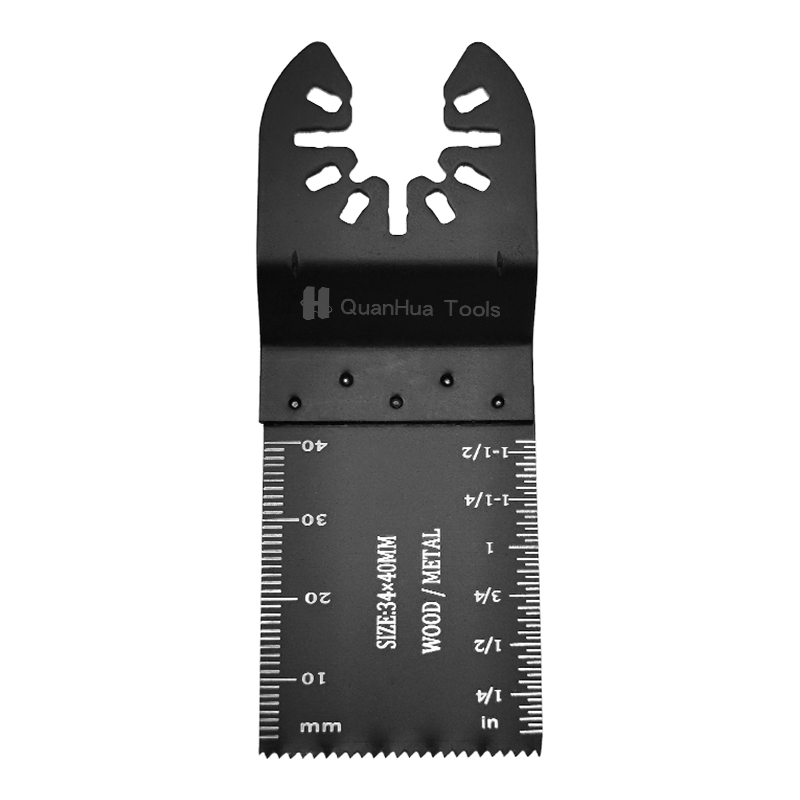
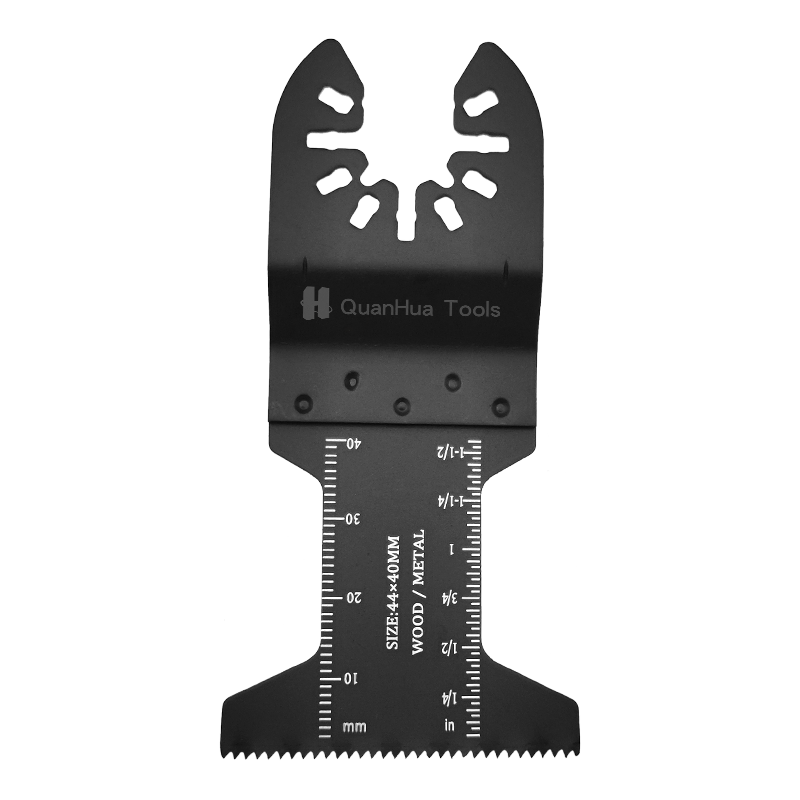
A Sabre Saw Blade is a specialized blade used with a reciprocating saw, typically long and narrow, capable of performing precise and efficient cuts through a back-and-forth motion. Its design allows it to quickly cut through a variety of materials, including wood, metal, PVC, and composite materials. Compared to traditional hand saws or rotating blades, the Sabre Saw Blade is ideal for working in tight spaces, making it particularly suitable for demolition, trimming, or rough cutting.
These blades are usually made from high-carbon steel, alloy steel, or high-speed steel (HSS), ensuring durability and strength under high-frequency vibration. Different tooth shapes and pitch designs allow optimal performance for cutting various materials. For example, coarse teeth are ideal for fast wood cutting, while fine teeth work better on metal or plastic. The replaceable design also allows for easy installation and removal without specialized tools.
When using a Sabre Saw Blade, selecting the correct length and tooth type for your project is essential to achieve clean and precise cuts. Moreover, understanding the differences between Sabre Saw Blades and other saw blades helps you determine which blade delivers the best performance and efficiency for a specific material or task.
3. How Sabre Saw Blades Differ From Other Saw Blades
The differences between Sabre Saw Blades and other common saw blades mainly lie in shape, cutting method, and application scenarios. First, in terms of structure, Sabre Saw Blades are long and flexible, while circular saw blades are round and designed for rotational cutting. Jigsaw blades are shorter and primarily used for fine curved cuts. The Sabre Saw Blade’s back-and-forth motion allows it to cut quickly and efficiently.
Second, in cutting style, Sabre Saw Blades use linear reciprocating motion, making them suitable for uneven or complex materials. Circular blades rely on rotation and are better for long, straight cuts or thin materials. Jigsaw blades excel in precision curved cuts but are not suitable for heavy-duty or hard material demolition.
Finally, in terms of applications, Sabre Saw Blades are more suitable for flexible operations, demolition, or rough cutting tasks. Circular and jigsaw blades are better for precise cutting or furniture construction. Understanding these differences helps you choose the most appropriate blade for your project, avoiding inefficiency or tool damage during cutting.
| Feature | Sabre Saw Blade | Circular Saw Blade | Jigsaw Blade |
|---|---|---|---|
| Shape | Long and narrow | Circular | Short and narrow |
| Cutting Method | Reciprocating | Rotational | Reciprocating + fine curves |
| Material Compatibility | Wood, metal, PVC, multiple types | Wood, plywood, thin metal | Wood, plastic, light metal |
| Precision | Medium | High | High |
| Typical Use Cases | Demolition, rough cuts, tight spaces | Long straight cuts, furniture | Fine curves, decorative cuts |
4. Advantages & Disadvantages of Sabre Saw Blades
There are several clear advantages to using Sabre Saw Blades. First, they are highly versatile, capable of cutting wood, metal, and plastic, meeting various project requirements. Second, their easy installation design allows for quick blade replacement without the need for specialized tools. Additionally, Sabre Saw Blades are ideal for working in tight spaces, offering greater flexibility than circular saws or larger power tools, particularly for demolition or localized cutting tasks.
However, there are some limitations. Compared to circular blades, Sabre Saw Blades have slightly lower precision and are not ideal for high-accuracy woodworking. Cutting extremely thick or hard materials may also be slower and require patience. Moreover, the reciprocating motion generates friction, causing wear over time. Using high-quality blades can mitigate this issue and extend the blade’s lifespan.
To maximize the performance of a Sabre Saw Blade, users should select the proper tooth type and length for the material, maintain a stable cutting angle, and apply moderate pressure. These steps ensure efficient cutting while prolonging the blade’s service life.
5. How to Choose the Right Sabre Saw Blade
Selecting the right Sabre Saw Blade involves considering several key factors. First, material type matters: for wood, coarse teeth are recommended for faster cutting; for metal, fine teeth or high-speed steel blades are necessary to ensure smooth cuts and minimize wear. Tooth pitch and shape also play a crucial role: smaller teeth provide smoother cuts, while larger teeth are better for rapid rough cutting.
Durability and brand reputation are also important. High-quality blades withstand frequent reciprocating motion and high friction, extending their lifespan. Established brands often offer a variety of materials and tooth designs with consistent quality. Lastly, ensure the blade length matches your tool to guarantee safe and smooth operation.
In practice, the choice of a Sabre Saw Blade should align with the specific project. For demolition of walls or pipes, prioritize durable, coarse-toothed blades. For furniture or decorative projects, select fine-toothed blades for clean cuts. By considering material, tooth design, durability, and operational context, you can maximize both efficiency and blade longevity.
FAQ
Q1: Can a Sabre Saw Blade cut metal?
A: Yes, but it is recommended to use a high-speed steel or metal-specific blade and cut at a slower speed to prevent overheating and wear.
Q2: What is the main difference between a Sabre Saw Blade and a Jigsaw Blade?
A: Sabre Saw Blades are designed for rough cutting and demolition, are longer, and provide greater cutting power. Jigsaw Blades are better for precise curved cuts but are less powerful.
Q3: How can I extend the lifespan of a Sabre Saw Blade?
A: Choose a blade suitable for the material, maintain a stable cutting technique, and avoid excessive friction and heat to significantly extend the blade’s life.
Q4: Can Sabre Saw Blades cut PVC or plastic pipes?
A: Yes, but it is recommended to use a fine-toothed blade and cut at low speed to prevent melting or cracking.
References
- Tool Review Hub. The Ultimate Guide to Sabre Saw Blades. 2023.
- Popular Mechanics. Choosing the Right Saw Blade for Your Project. 2022.
- Bosch Power Tools. Sabre Saw Blade Materials and Applications Guide. 2021.
- Fine Woodworking. Jigsaw vs Sabre Saw Blade: Which One to Use? 2020.