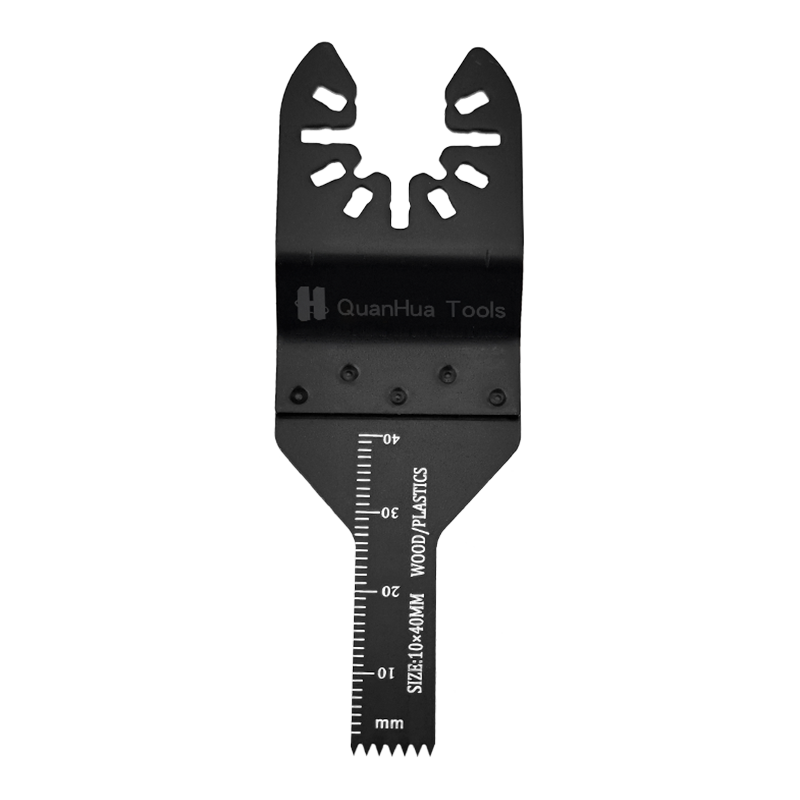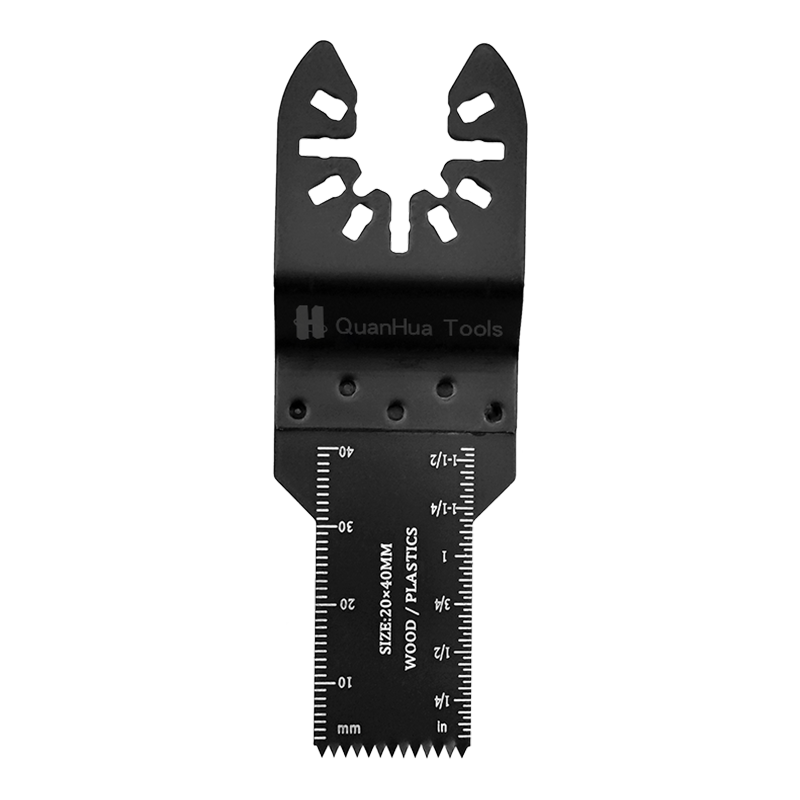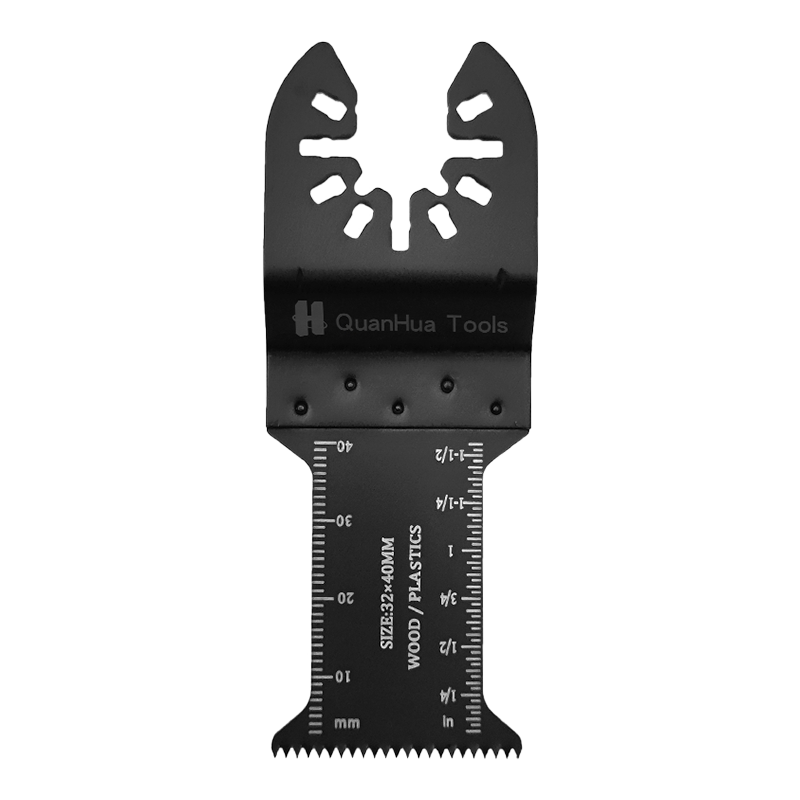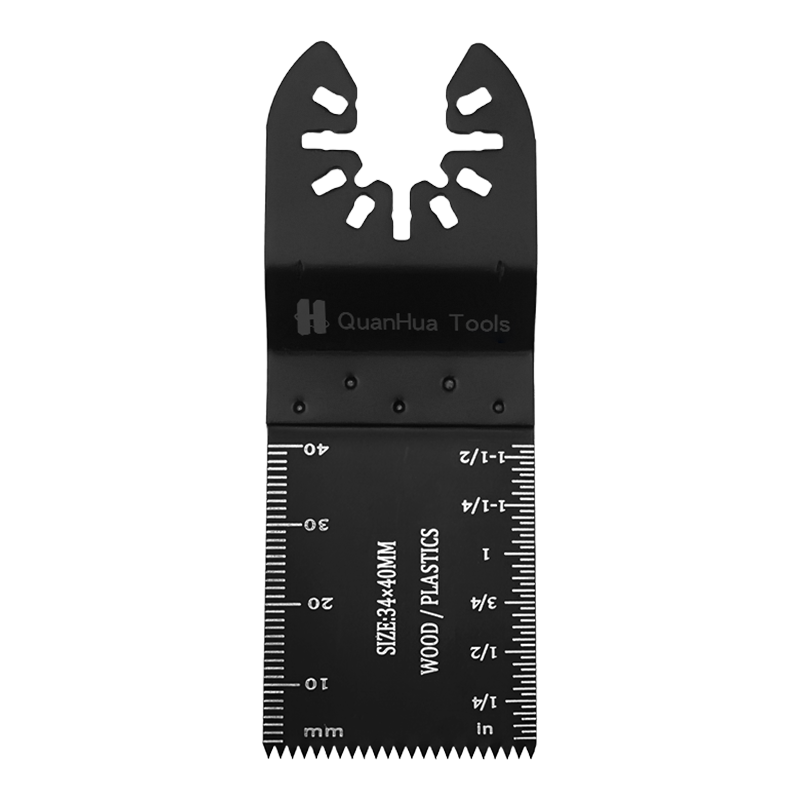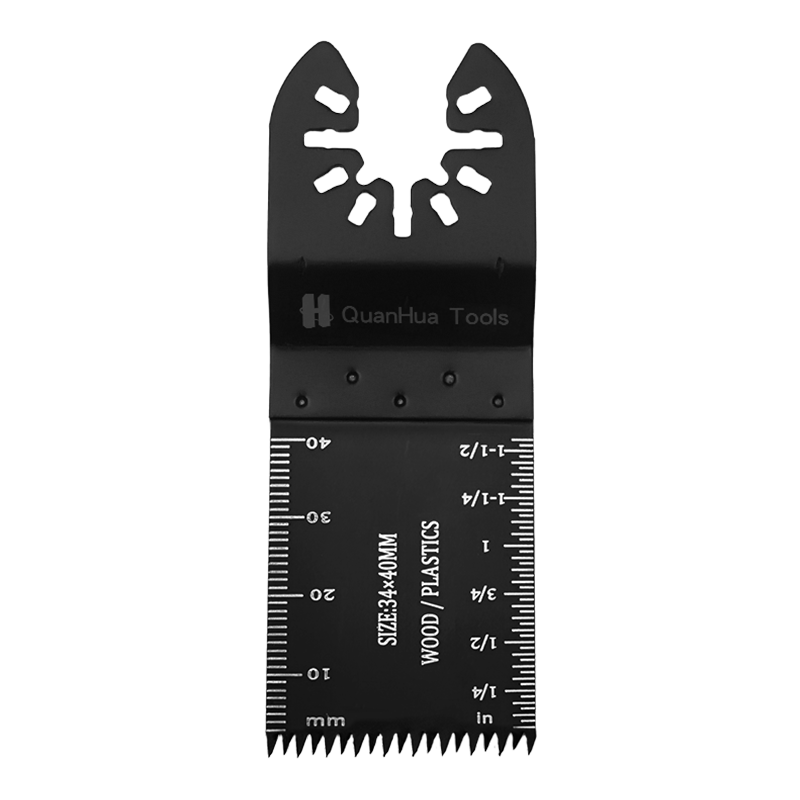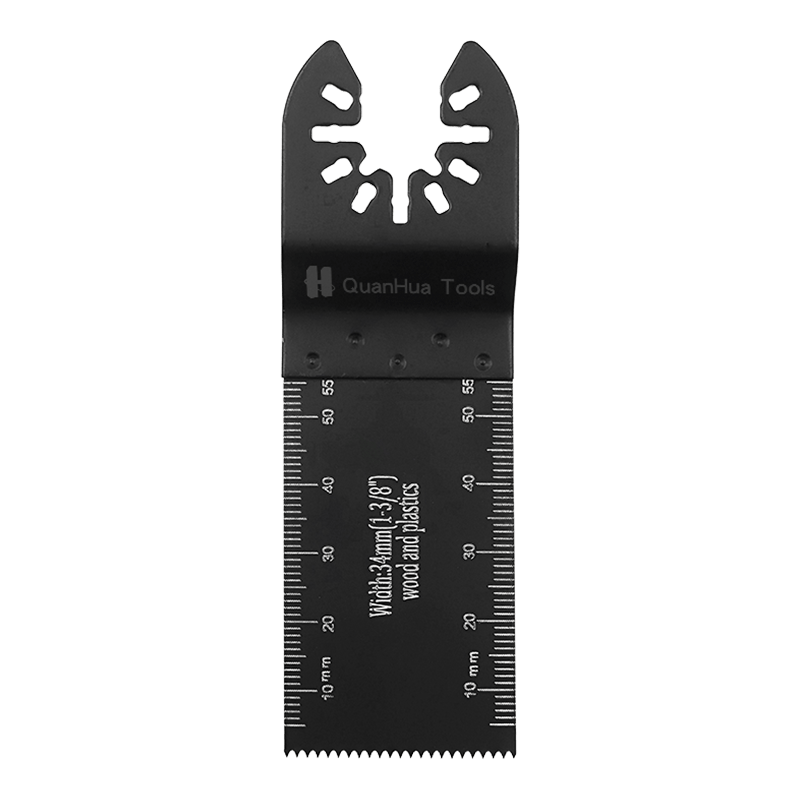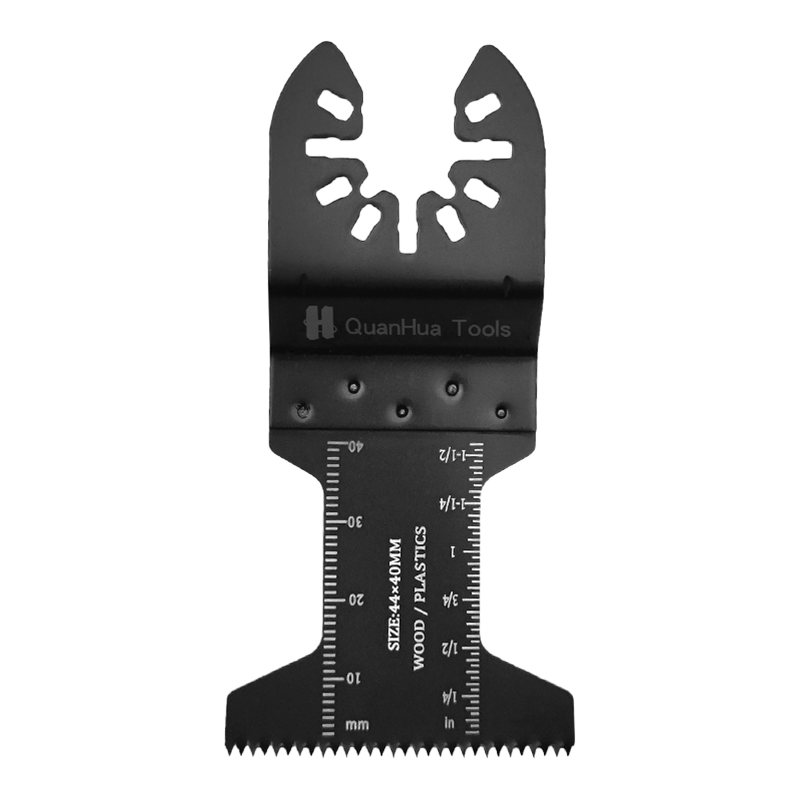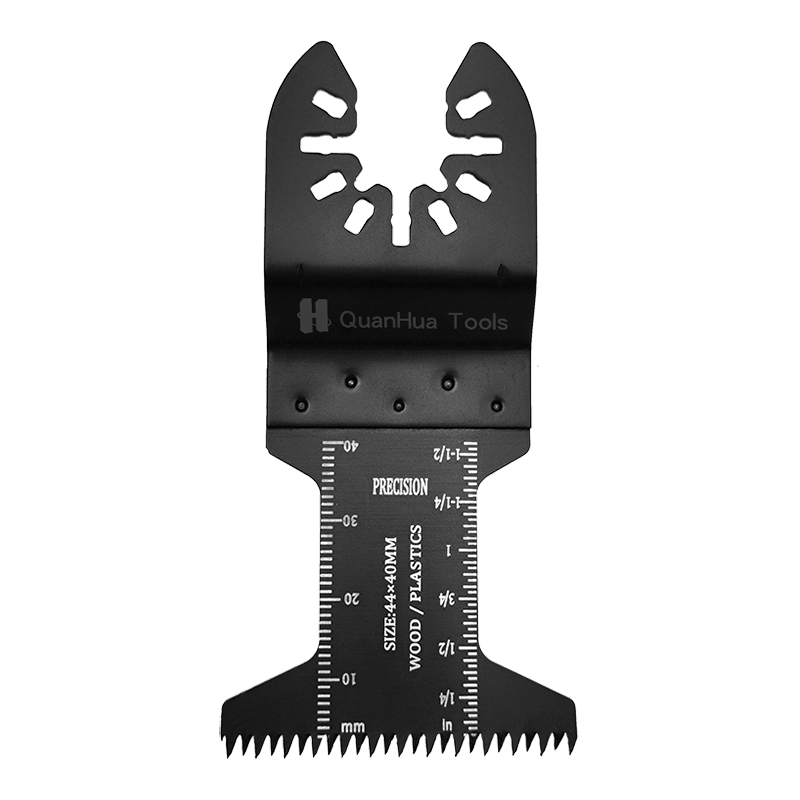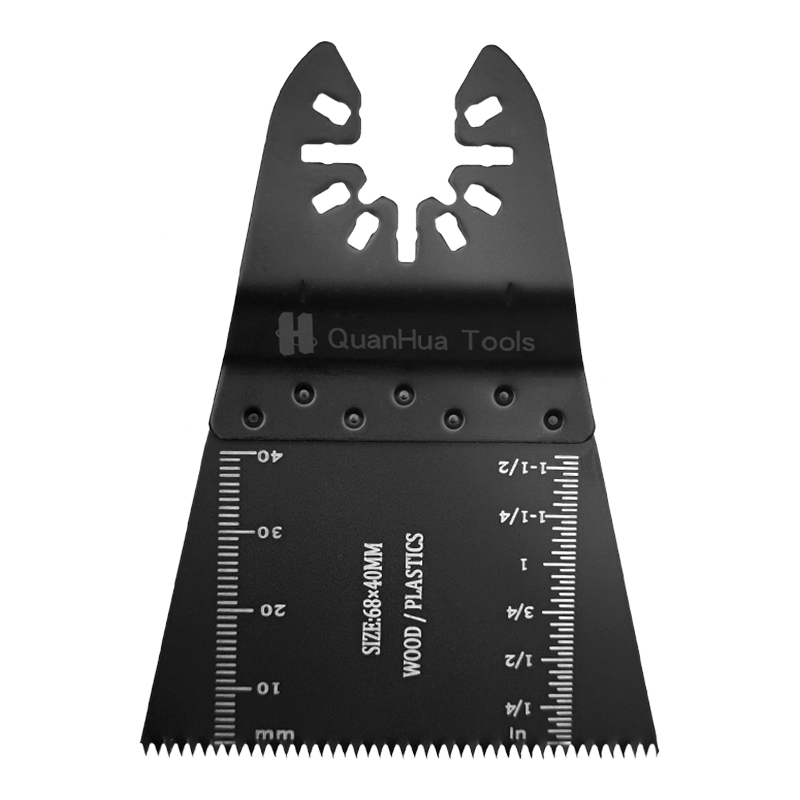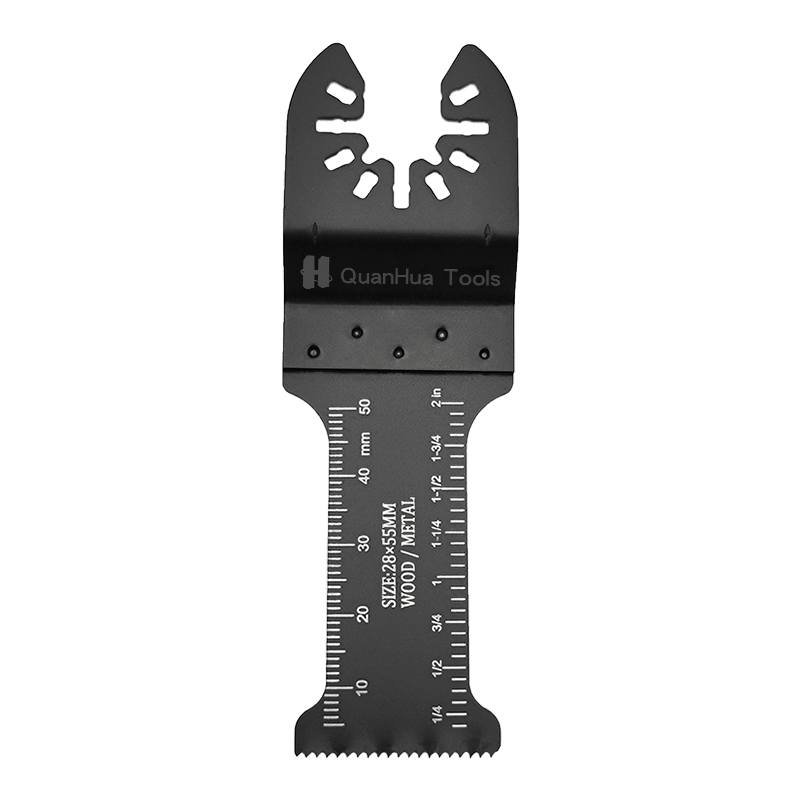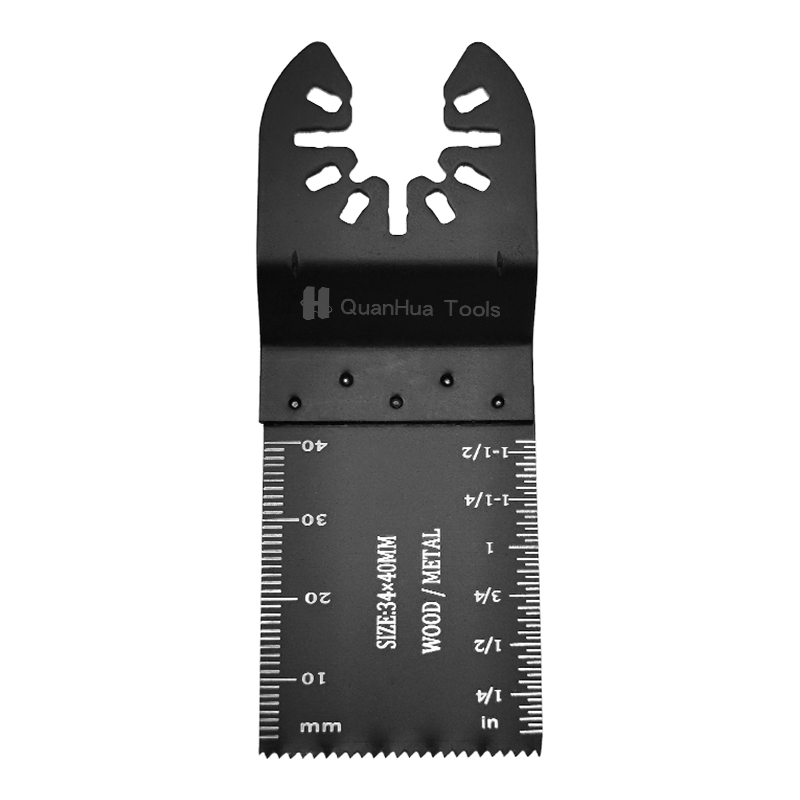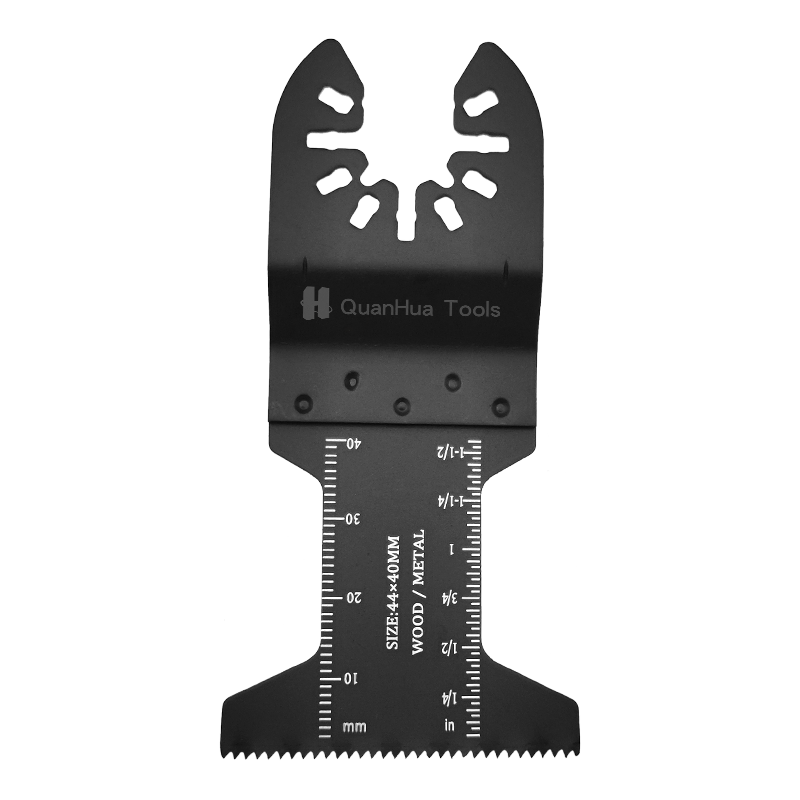

Installing and replacing an oscillating multifunction saw blade may appear to be a routine task, but improper handling can result in blade slippage, tool damage, inefficient cutting, or personal injury. Whether you are a professional contractor or a DIY enthusiast, understanding the correct procedure ensures safe operation, extends blade lifespan, and improves cutting accuracy.
1. Turn Off and Unplug the Tool
The first and most critical safety step is fully disconnecting the oscillating tool from its power source. For corded tools, unplug the power cord from the outlet. For cordless models, remove the battery completely rather than relying on the power switch alone.
This step prevents accidental start-up caused by:
- Faulty switches
- Residual electrical charge
- Unintentional trigger contact
Never attempt to change a blade while the tool is connected to power, even if the switch is turned off.
2. Wear Protective Gear
Oscillating multifunction saw blades feature sharp teeth designed to cut through tough materials such as wood, metal, and plastic. Direct contact with the blade edges can easily cause cuts or abrasions.
Recommended protective equipment includes:
- Cut-resistant gloves to protect hands during blade handling
- Safety glasses to shield eyes from dust, metal shavings, or debris
- Closed-toe footwear to reduce injury risk if a blade is dropped
Wearing proper PPE significantly reduces the likelihood of minor and serious injuries during blade replacement.
3. Remove the Old Blade
The blade removal process varies depending on the mounting mechanism of your oscillating tool. Identifying your tool’s blade system ensures safe and efficient removal.
Quick-Release Systems
Most modern oscillating tools use a tool-free quick-release mechanism. To remove the blade, pull or flip the release lever and allow the blade to disengage automatically. Carefully lift the blade away, avoiding contact with the cutting edge.
Bolt-On Systems
Some tools require a hex key or wrench. Loosen the bolt by turning it counterclockwise, then remove the bolt, washer, and blade in sequence. Place removed components on a flat surface to avoid losing them.
Used blades may have sharp burrs or broken teeth, so handle them cautiously.
Blade Mounting System Comparison Table
| Mounting System Type | Tools Required | Installation Speed | Compatibility | Safety Level |
|---|---|---|---|---|
| Quick-Release | None | Very Fast | Brand-specific | High |
| Bolt-On | Hex key / wrench | Moderate | Wide | Medium |
| Universal Adapter | Sometimes | Fast | Multi-brand | High |
4. Clean the Mounting Area
After removing the old blade, inspect the tool’s mounting interface. Over time, sawdust, metal filings, and adhesive residue can accumulate and interfere with proper blade seating.
Cleaning steps include:
- Wiping the mounting area with a dry cloth
- Using compressed air to remove fine debris
- Inspecting the flange or adapter for wear or deformation
A clean and undamaged mounting surface ensures the new blade sits flush, reducing vibration and improving cutting precision.
5. Install the New Oscillating Multifunction Saw Blade
Carefully align the new blade with the tool’s mounting interface. Most oscillating multifunction saw blades feature a star-shaped or universal hole pattern designed for secure attachment.
When installing:
- Align mounting holes precisely
- Select the correct blade orientation or cutting angle
- Ensure full contact between the blade and the tool head
Proper installation maximizes torque transfer and minimizes the risk of blade movement during operation.
6. Tighten and Lock Securely
Once the blade is positioned, secure it according to your tool’s locking mechanism.
- For bolt-on systems, tighten the bolt firmly without over-tightening to avoid thread damage.
- For quick-release systems, confirm the locking lever clicks or snaps fully into place.
Before powering on the tool, gently test the blade for movement. Any looseness indicates improper installation.
7. Test the Blade Before Cutting
Before starting actual cutting tasks, conduct a brief test run:
- Power on the tool at low speed
- Allow it to run without contacting any material
- Listen for unusual noises or excessive vibration
This step helps identify alignment or mounting issues before they become safety hazards.
8. Follow Manufacturer Instructions
Each oscillating tool and blade manufacturer may have specific installation guidelines. Always consult:
- The tool’s user manual
- Blade packaging or manufacturer documentation
Following official instructions ensures optimal performance, maintains warranty coverage, and complies with safety regulations.
Safety Tips to Remember
Always disconnect power before changing blades
Never touch blade teeth with bare hands
Replace dull, bent, or damaged blades immediately
Use the correct blade for the intended material
Final Thoughts
Learning how to install and replace an oscillating multifunction saw blade safely is a fundamental skill for anyone using oscillating tools. By following proper procedures, maintaining clean mounting surfaces, and using compatible blades, you can significantly improve cutting efficiency while reducing the risk of injury or equipment damage.
Frequently Asked Questions (FAQ)
Q1: How often should I replace an oscillating multifunction saw blade?
A: Blade replacement depends on usage frequency and material type. Dull blades, reduced cutting speed, or burn marks indicate it’s time to replace the blade.
Q2: Can I use one oscillating blade for multiple materials?
A: Some blades are designed for multi-material cutting, but for best results and safety, use material-specific blades whenever possible.
Q3: Are universal oscillating saw blades safe to use?
A: Yes, as long as they are compatible with your tool and properly installed. Always verify fit before operation.
Q4: Why does my blade vibrate during use?
A: Excessive vibration is usually caused by improper installation, debris in the mounting area, or a worn blade.
Q5: Can I install an oscillating blade at an angle?
A: Yes. Many oscillating tools allow angled blade positioning for flush cuts or tight spaces.
References
- Oscillating Tool Safety Guidelines – Tool Manufacturer Manuals
- OSHA Hand and Power Tool Safety Standards
- Professional Contractor Tool Usage Best Practices
- Industry Guides on Oscillating Multi-Tool Blade Installation