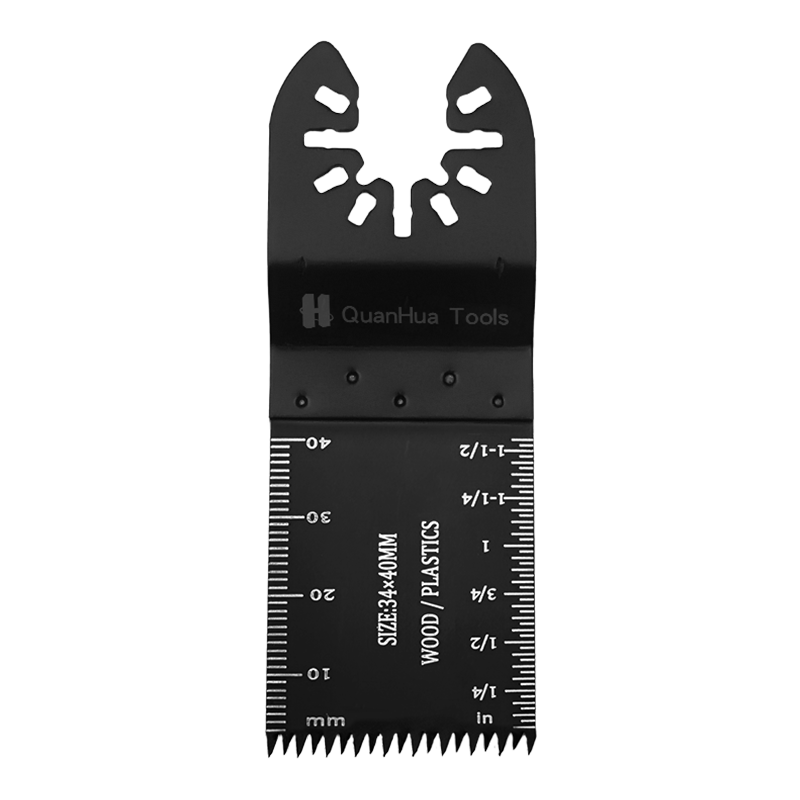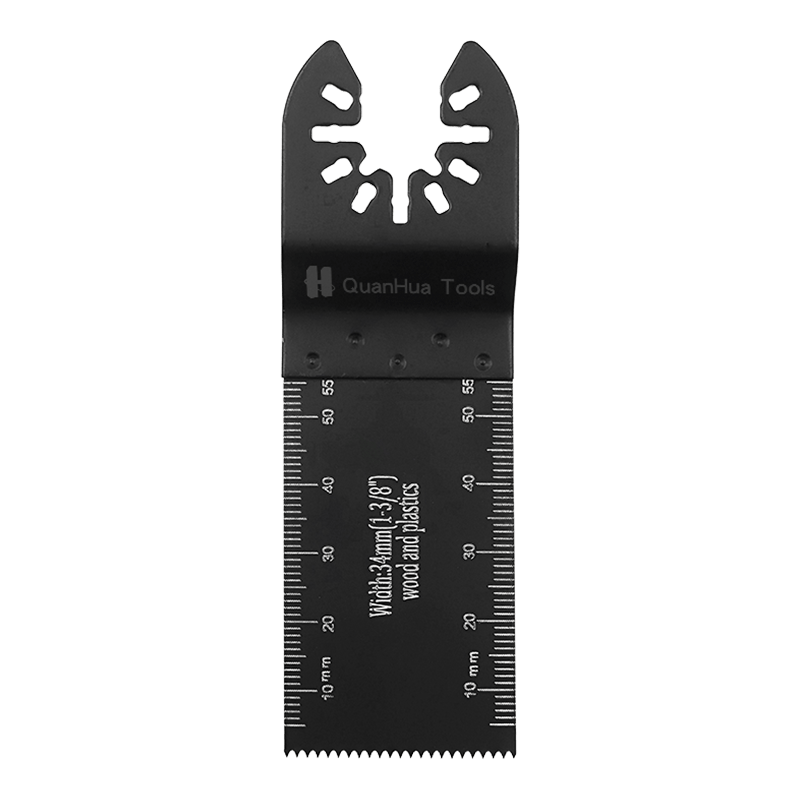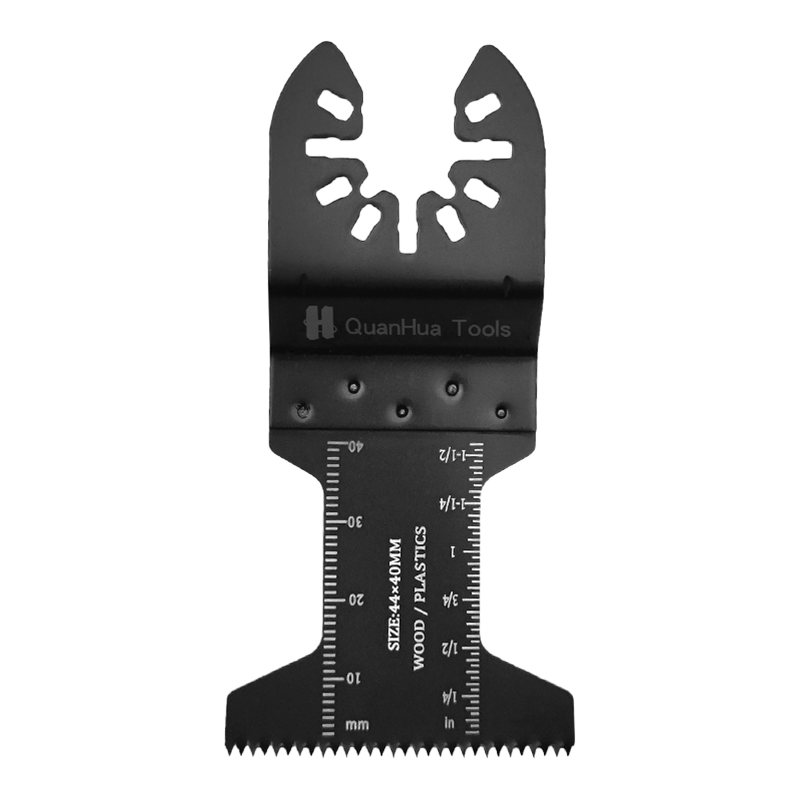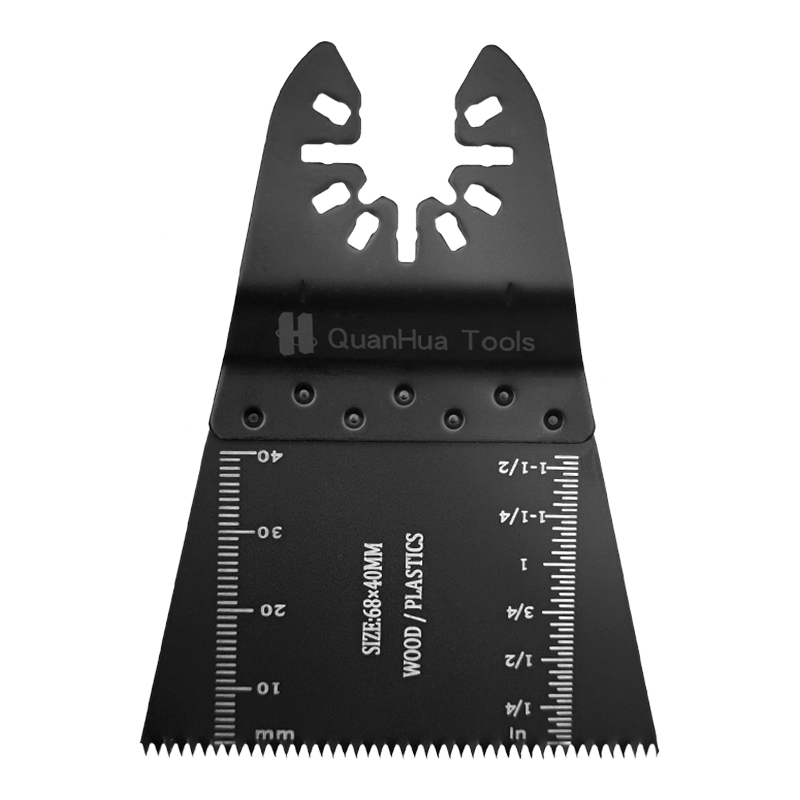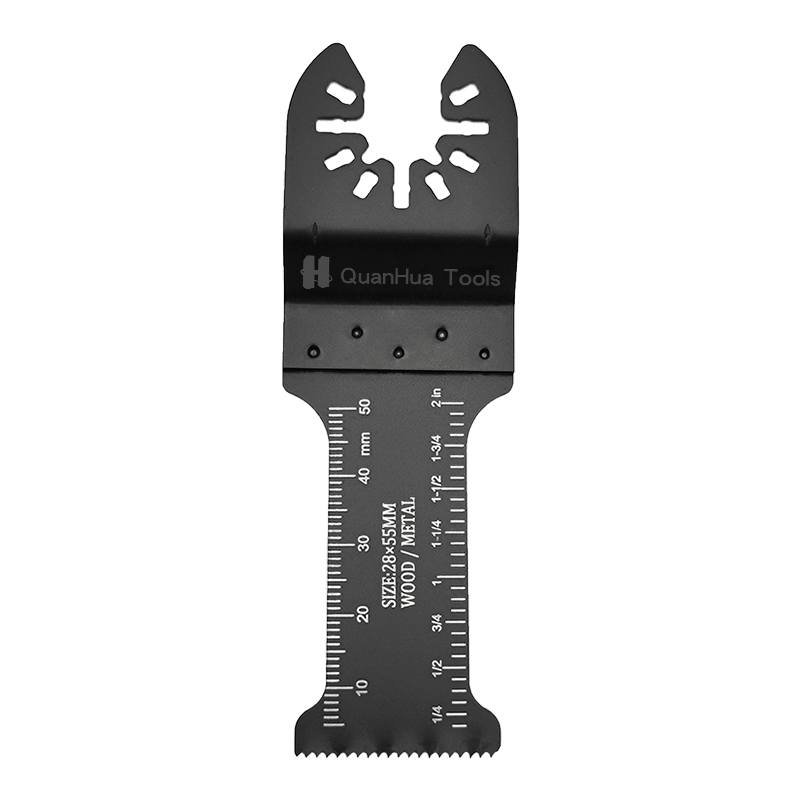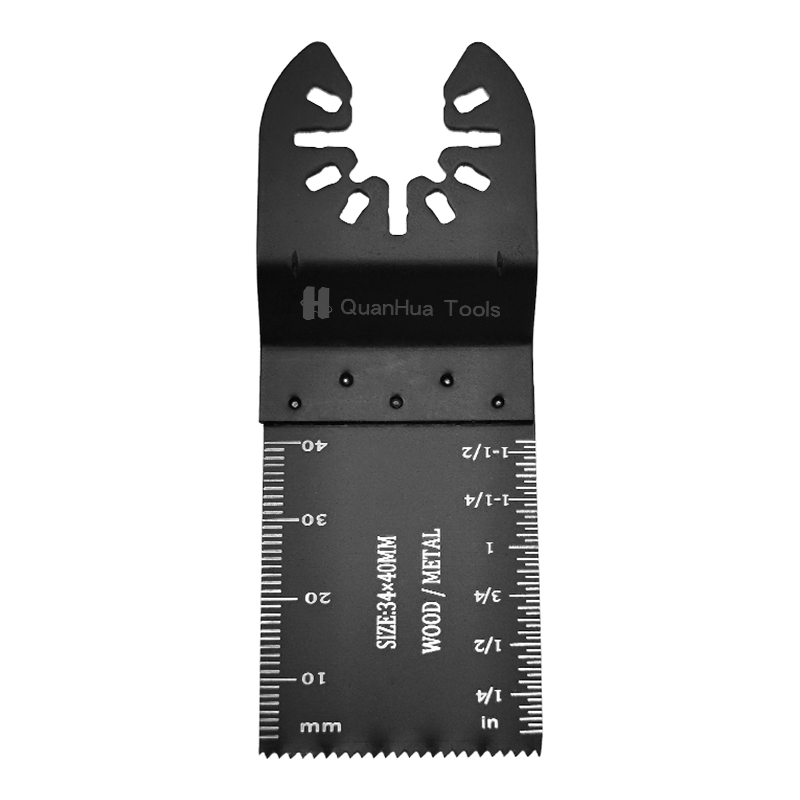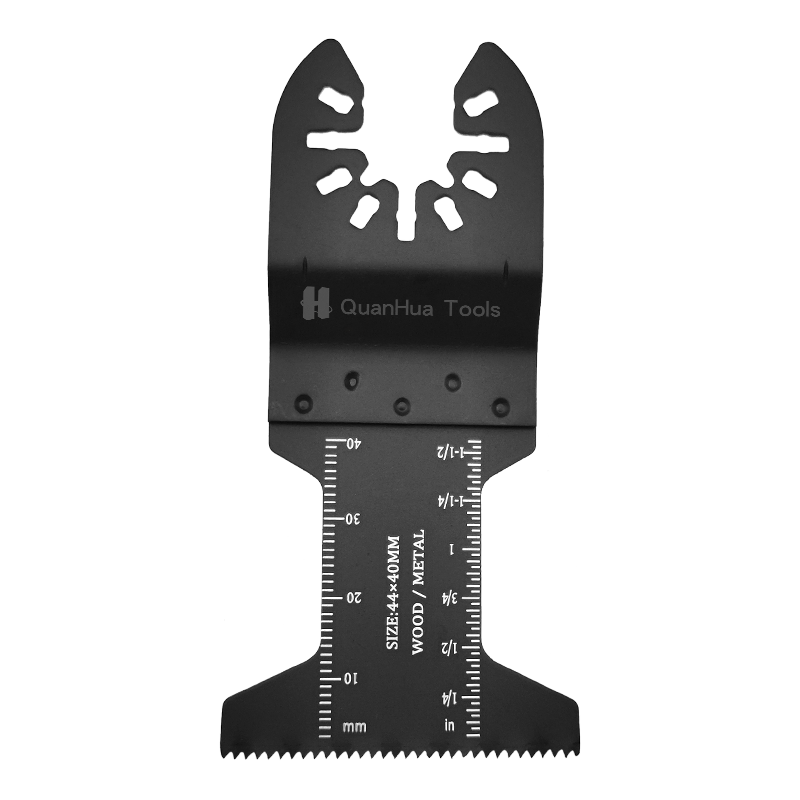

What Is a Carbide Oscillating Multitool Sabre Saw Blade and How Does It Work?
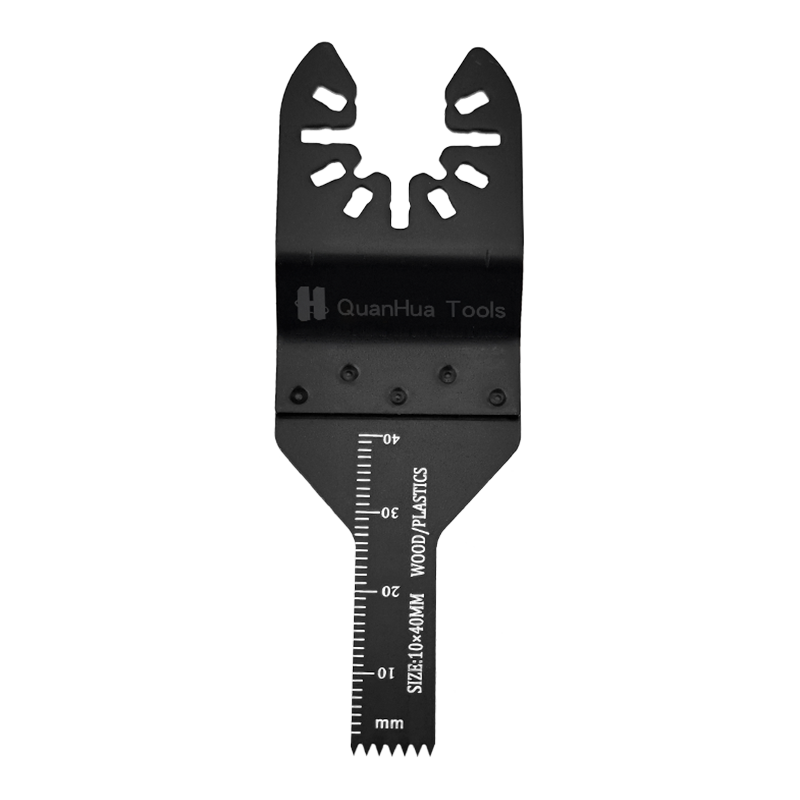
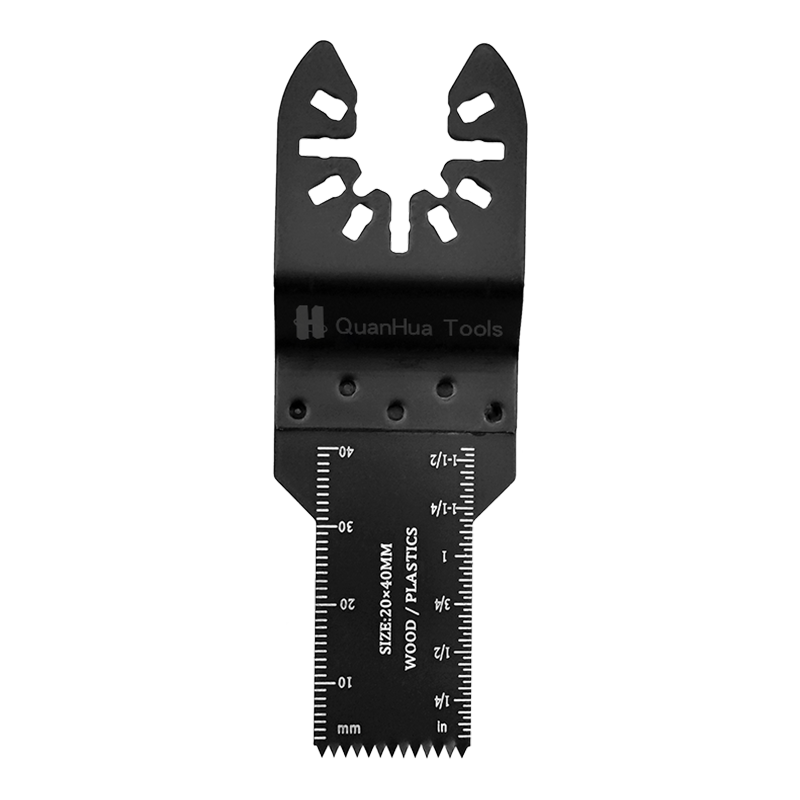
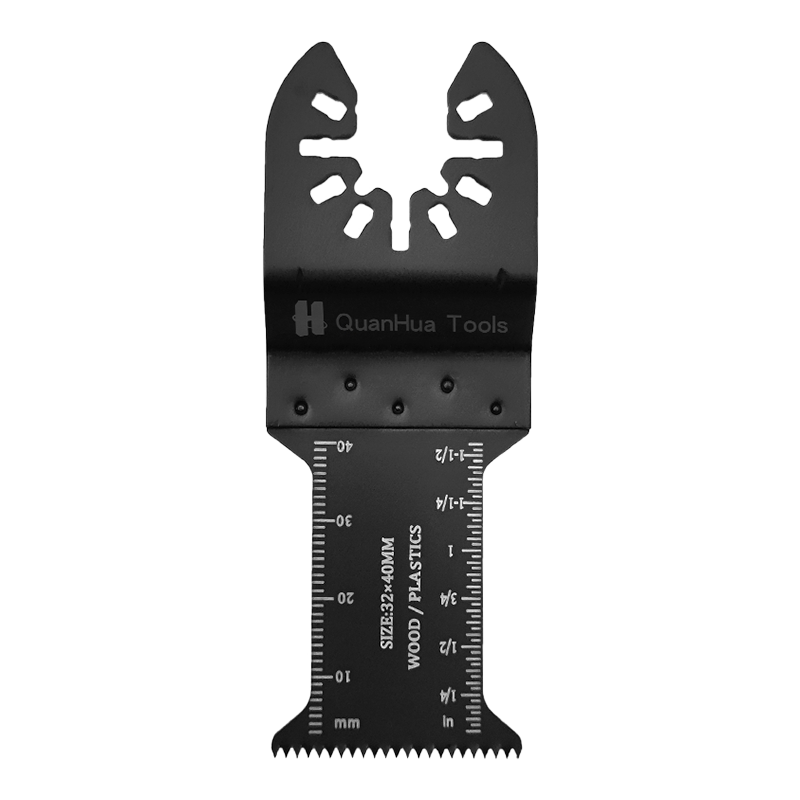
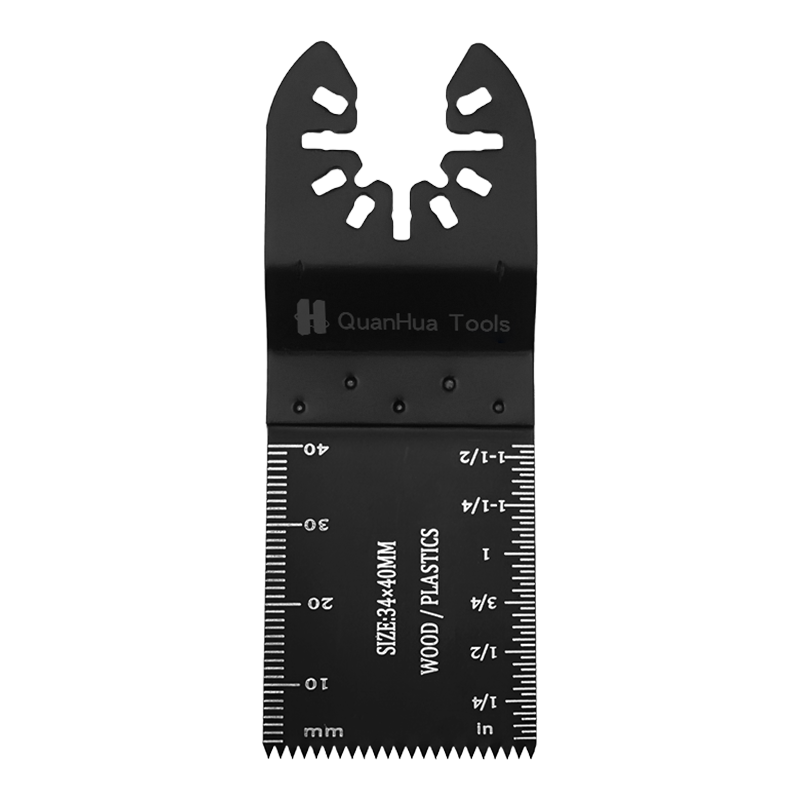
Carbide oscillating multitool sabre saw blades are specialized cutting tools designed for precision, durability, and versatility. Unlike standard steel blades, these blades feature carbide-tipped edges that can handle tough materials such as hardwood, metals, plastics, and composite boards without dulling quickly. The oscillating motion of the multitool allows the blade to move back and forth at high speed, providing clean cuts with minimal vibration. Carbide tips retain sharpness longer than conventional steel, making these blades ideal for demanding industrial and DIY applications.
The combination of oscillating motion and carbide tips allows users to cut at angles, flush against surfaces, and reach tight spaces that traditional saws cannot access. This makes them invaluable in construction, renovation, and fabrication projects. Carbide multitool blades are available in various tooth geometries and sizes, optimizing performance for specific applications like metal cutting, wood shaping, or trimming plastic panels.
How Do You Choose the Right Carbide Oscillating Multitool Sabre Saw Blade for Your Project?
Choosing the correct blade is critical for achieving precise cuts and extending the life of your multitool. Factors include material type, thickness, cutting speed, and desired finish. For dense metals, blades with fine teeth and robust carbide tips are preferred. For softer woods or plastic, blades with larger teeth allow faster material removal. Blade thickness also impacts stability—thicker blades reduce flex, improving accuracy on long cuts. Some blades include coating options for heat resistance or reduced friction, which enhance cutting performance.
Selection Tips
- Match blade tooth geometry to the material: fine teeth for metal, coarse teeth for wood or plastics.
- Choose blade length based on cut depth requirements.
- Consider carbide-tipped blades for abrasive materials to prevent rapid wear.
- Use coated or heat-resistant blades in high-speed applications to maintain longevity.
What Are the Advantages of Using a Carbide Oscillating Multitool Sabre Saw Blade?
Carbide oscillating blades offer multiple advantages over standard blades. The primary benefit is durability—carbide tips last longer and maintain sharpness, reducing downtime for blade changes. Their precision allows cleaner, more accurate cuts in various materials. These blades also handle tough or abrasive surfaces, such as stainless steel, fiberglass, and hardwood, where standard blades would quickly dull or fail. Carbide blades reduce vibration and minimize material chipping, making them ideal for professional applications where finish quality matters.
Table: Advantages Comparison
| Feature | Carbide Blade | Standard Steel Blade |
|---|---|---|
| Durability | High, lasts longer under heavy use | Moderate, wears quickly on tough materials |
| Precision | Excellent, minimal chipping or splintering | Good, may produce rough edges |
| Material Compatibility | Metal, wood, plastics, composites | Soft wood, plastics |
| Cost | Higher initial cost but cost-effective long-term | Lower initial cost, frequent replacements required |
Can a Carbide Oscillating Multitool Sabre Saw Blade Cut Through Metal, Wood, and Plastic?
Yes, carbide blades are versatile enough to cut a wide range of materials. Their hardness allows cutting through metals like aluminum and stainless steel, while tooth design and blade geometry make them effective on wood, laminate, and plastic. Fine-toothed carbide blades excel at cutting metals without excessive heat buildup, whereas coarse-toothed blades remove wood or plastic material quickly. The oscillating motion ensures clean cuts, reduces vibration, and allows flush or plunge cuts in hard-to-reach areas. For maximum performance, always match the blade type to the material being cut.
How Long Does a Carbide Oscillating Multitool Sabre Saw Blade Last Compared to Standard Blades?
Carbide oscillating blades generally last 50–200% longer than standard bi-metal or high-carbon steel blades. Their carbide tips resist wear and maintain sharpness even under continuous use on tough materials. Blade longevity depends on the material being cut, cutting speed, and operating technique. Proper use, such as avoiding excessive pressure and overheating, extends lifespan. Despite higher upfront costs, carbide blades are more cost-effective over time due to fewer replacements and less downtime.
What Safety Tips Should You Follow When Using a Carbide Oscillating Multitool Sabre Saw Blade?
Safety is critical when using high-speed oscillating tools. Always wear protective gloves, safety glasses, and ear protection. Ensure the workpiece is secured before cutting to prevent slipping. Never force the blade; let the oscillating motion do the cutting. Inspect blades regularly for chips or damage, as fractured carbide tips can be hazardous. Using proper technique reduces accidents and extends the life of both the blade and the multitool.
How Do Tooth Design and Blade Geometry Affect Cutting Performance?
Blade performance is highly influenced by tooth geometry and pitch. Fine-toothed blades provide smoother cuts on metals and plastics, while coarse-toothed blades are faster for wood or softer materials. The angle and shape of the carbide tips impact cutting efficiency and longevity. Aggressive tooth designs remove material quickly but may generate heat, while specialized geometries reduce friction and improve accuracy. Choosing the correct tooth pattern for the material ensures optimal cut quality and blade life.
Can You Sharpen or Reuse a Carbide Oscillating Multitool Sabre Saw Blade?
Carbide tips can be professionally resharpened using specialized diamond grinding tools. However, due to the brittleness of carbide, improper sharpening may cause chipping or cracking. For most users, replacement is more practical than resharpening, especially in professional settings where reliability is crucial. Blades can be reused if they are not excessively worn or damaged, but inspecting for cracks or chipped teeth is essential before each use.
What Are Common Mistakes to Avoid When Using a Carbide Oscillating Multitool Sabre Saw Blade?
Common mistakes include forcing the blade through material, using the wrong blade for the job, overheating, and cutting at incorrect angles. These errors can lead to premature wear, chipping, and unsafe operation. Always allow the oscillating motion to guide the cut, use appropriate speed and pressure, and match the blade to the material. Following these practices reduces risk of damage and prolongs blade life.
Which Industries and Applications Benefit Most from Carbide Oscillating Multitool Sabre Saw Blades?
Industries such as construction, metal fabrication, woodworking, and automotive repair benefit greatly from carbide oscillating blades. They are ideal for tasks requiring precision and durability, including cutting metal pipes, hardwood floors, laminate panels, and plastic composites. DIY enthusiasts also find them invaluable for renovation, trimming, and remodeling projects. The combination of durability, precision, and versatility makes carbide blades a preferred choice across both professional and consumer markets.
FAQ
How long does a carbide oscillating blade typically last?
Lifespan varies by material and usage, but it can last 50–200% longer than standard steel blades.
Can carbide blades cut metal as effectively as wood?
Yes, carbide-tipped blades are designed for metals, hardwood, and composite materials, with proper tooth geometry.
Are carbide blades more expensive?
They have higher upfront costs, but longer lifespan and fewer replacements make them cost-effective.
Can carbide blades be resharpened?
Yes, with professional diamond sharpening tools, though replacement is often more practical.
References
- Fein Tools – Oscillating Multi-Tool Blade Selection Guide
- Makita – Carbide vs Bi-metal Oscillating Blades Performance Study
- Oscillating Tool User Manual – Blade Maintenance and Lifespan Tips
- Industrial Cutting Tool Handbook – Carbide Blade Applications