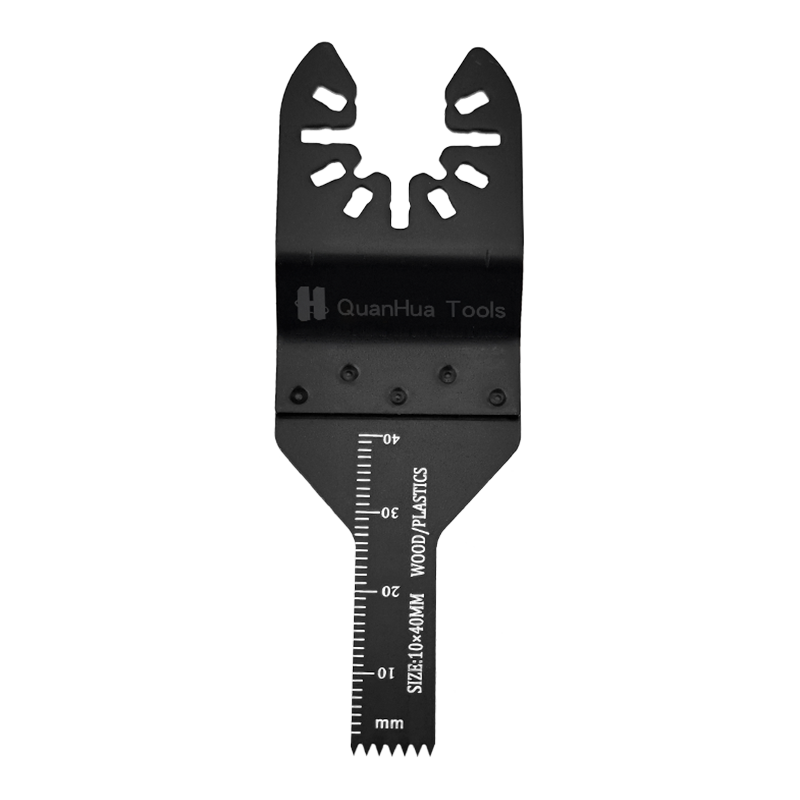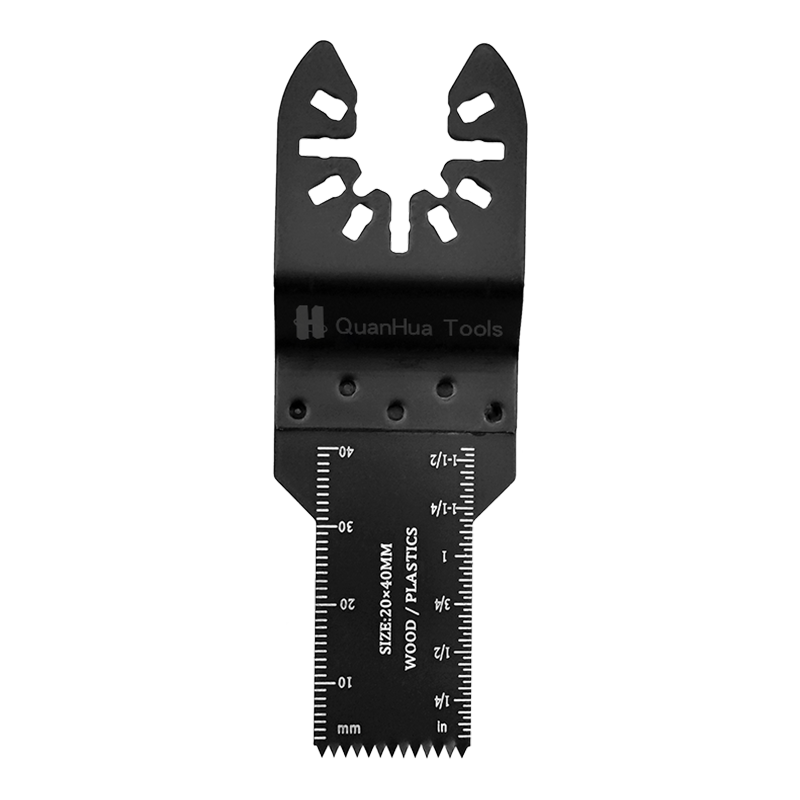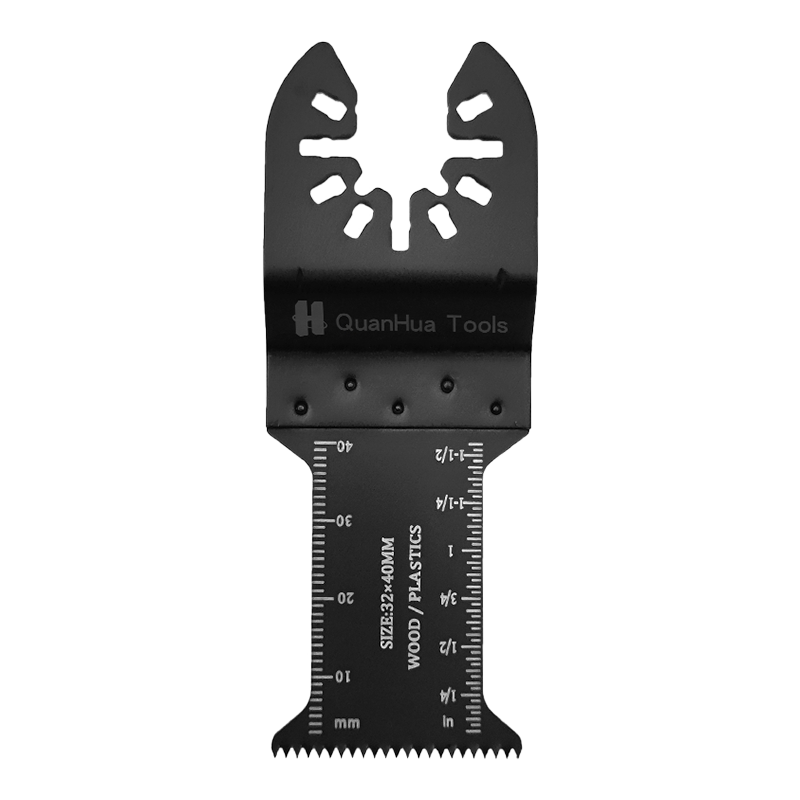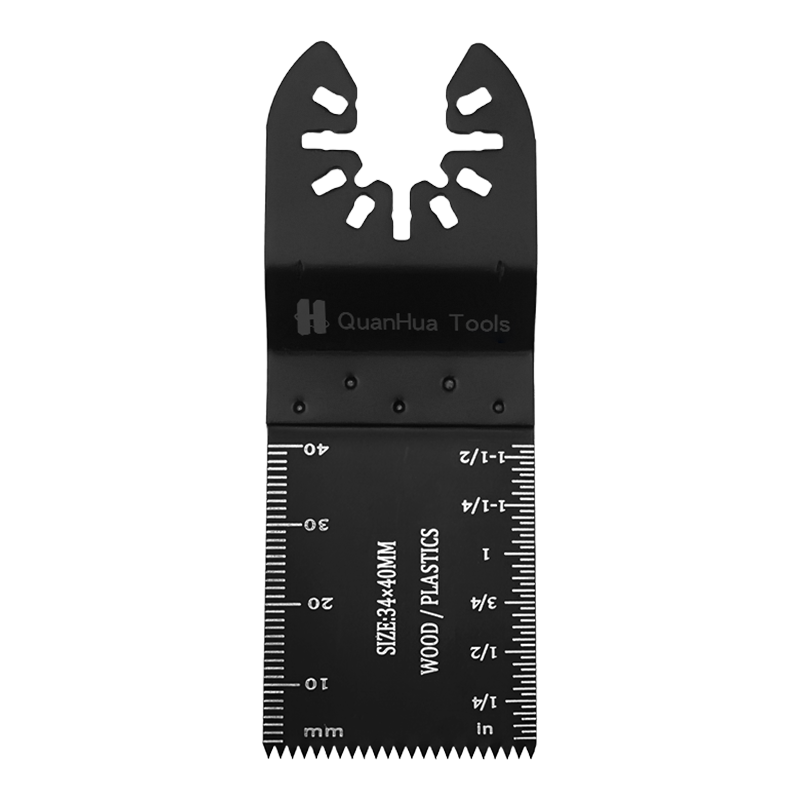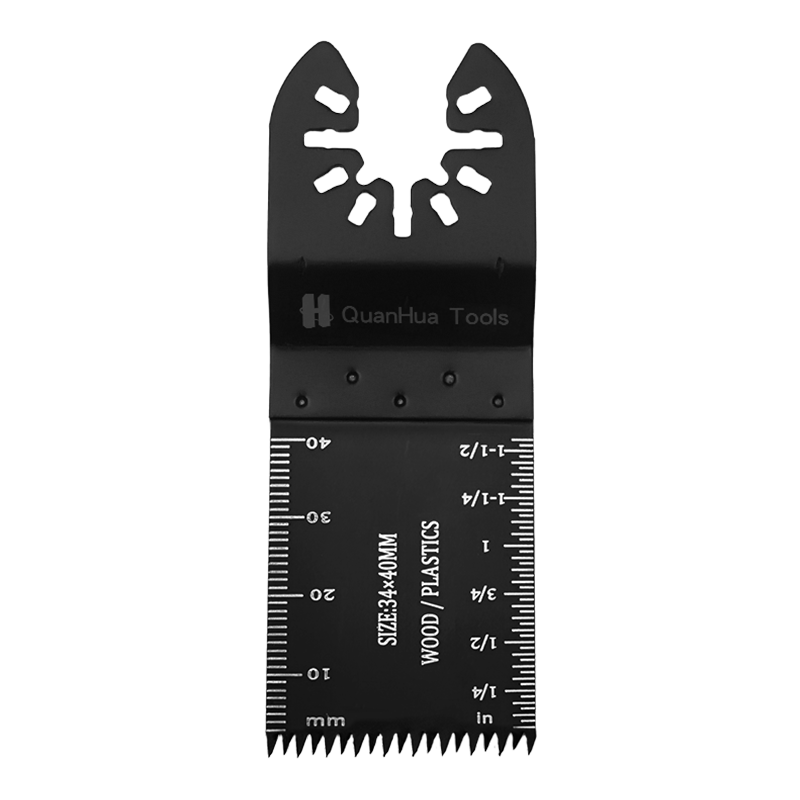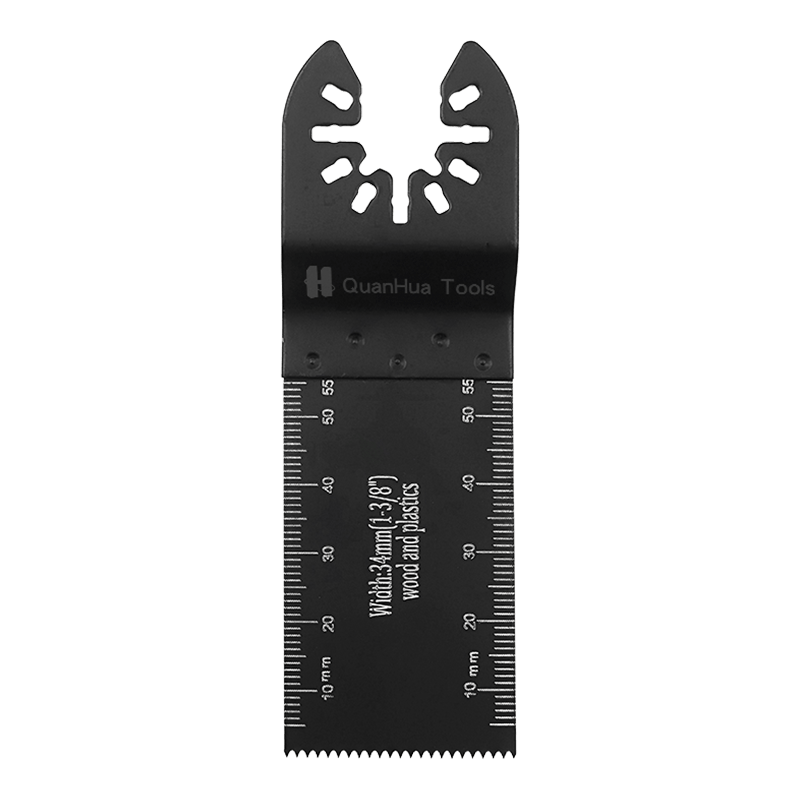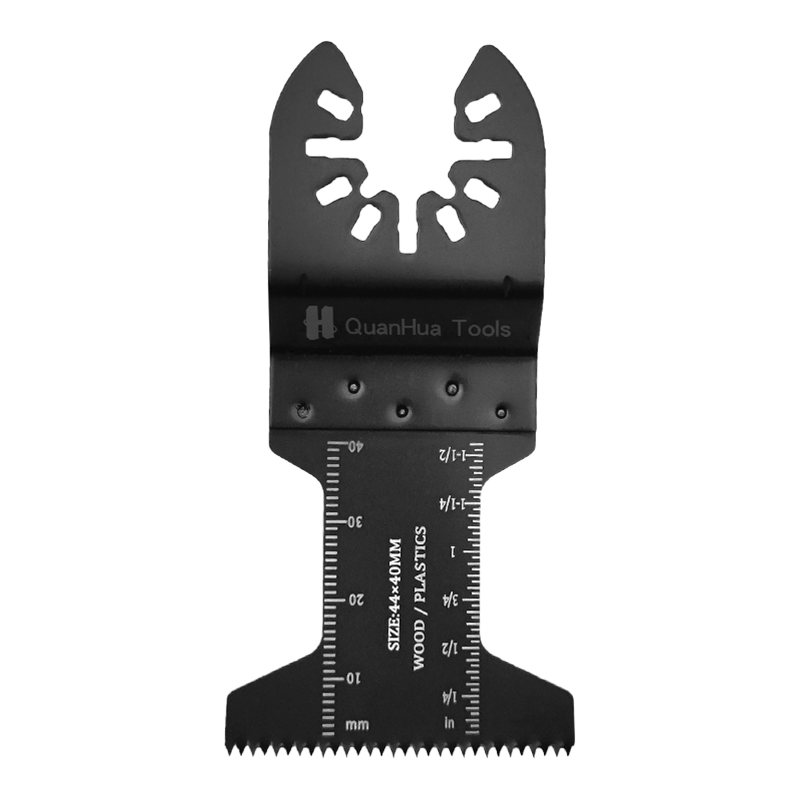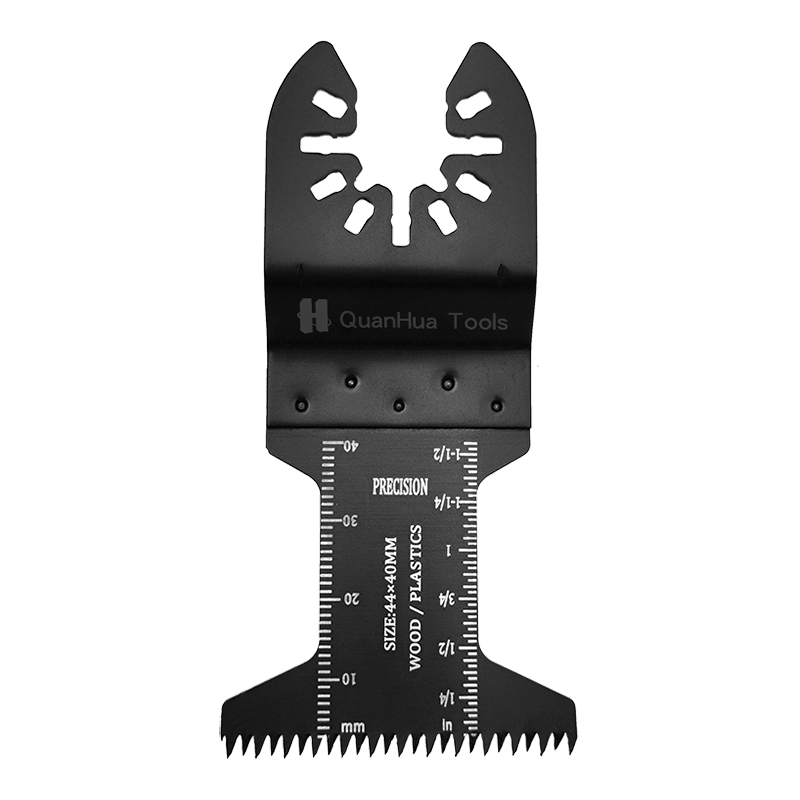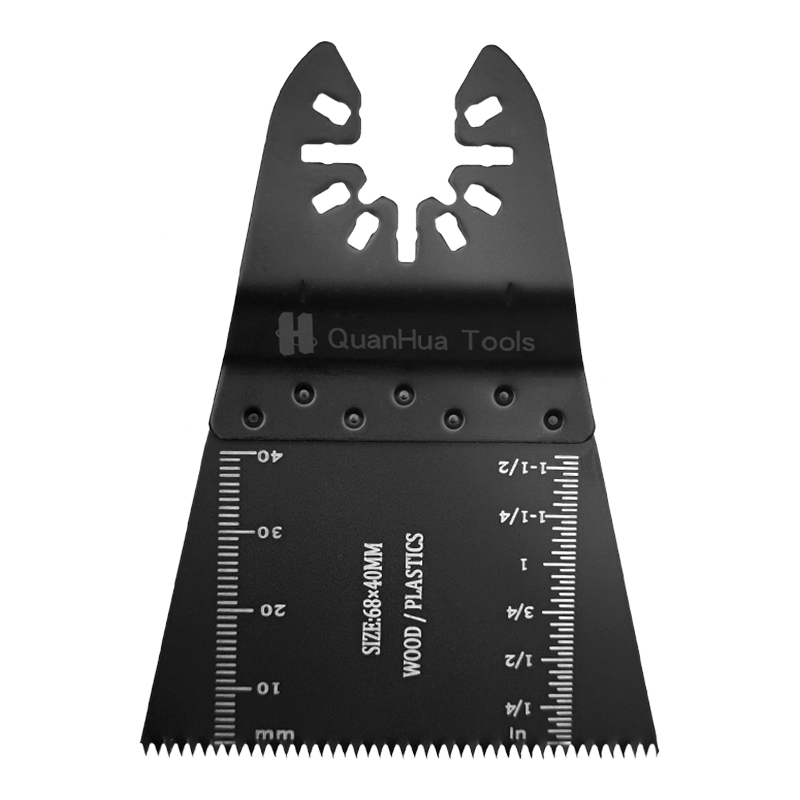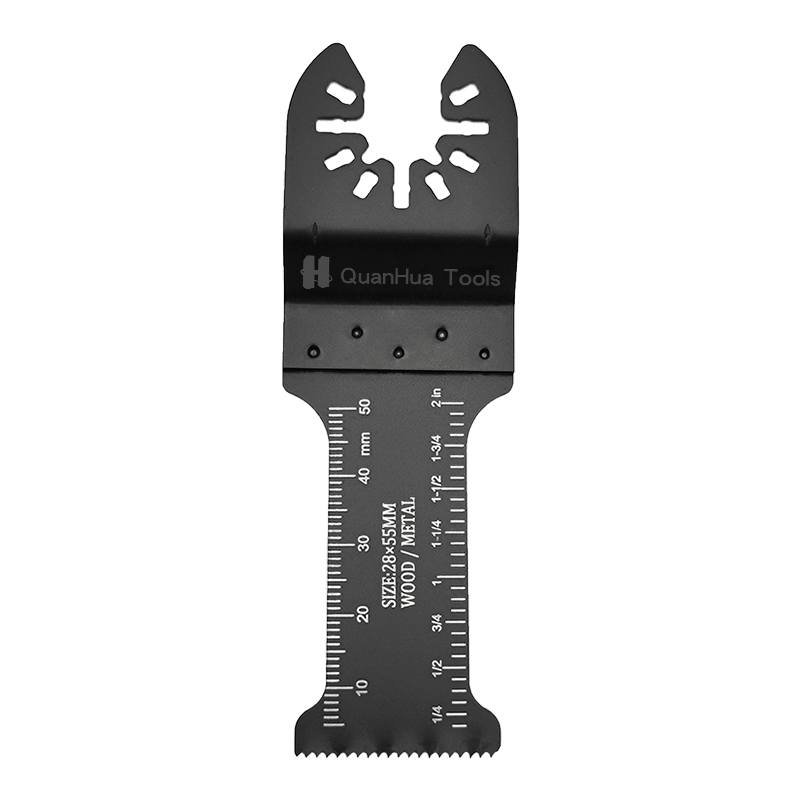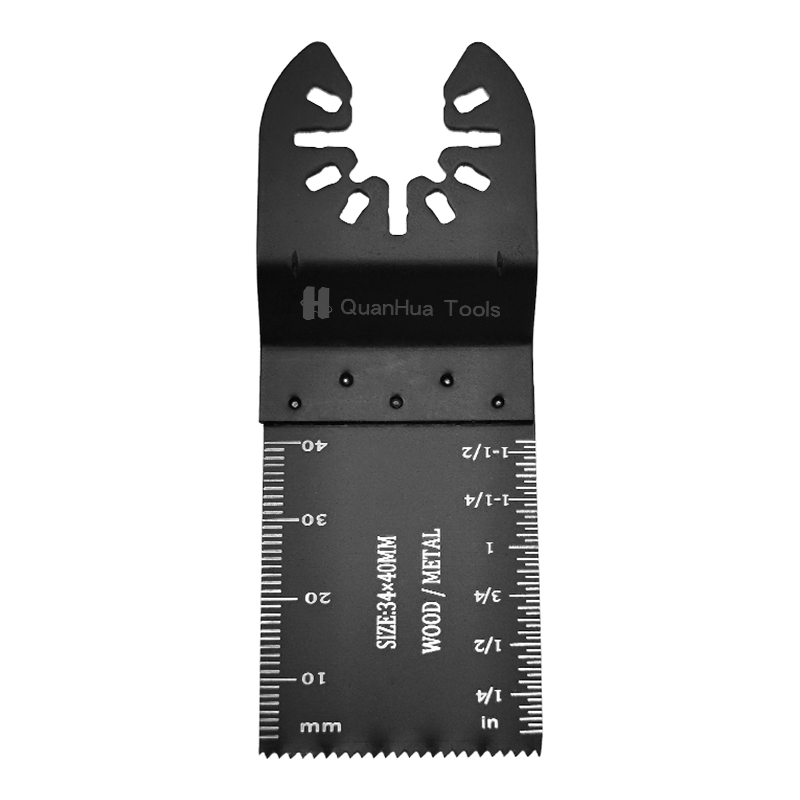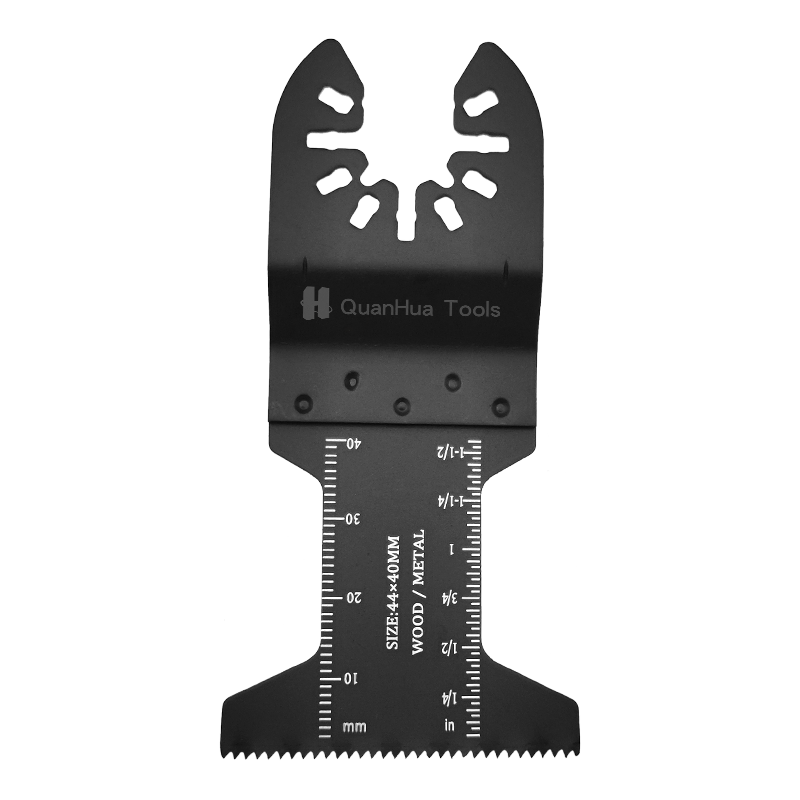

Sabre saw blades are essential components that fit into sabre saws (also known as reciprocating saws), which are versatile power tools designed for making precise cuts in a wide variety of materials. Whether you’re a professional contractor, a carpenter, or a DIY enthusiast, understanding how sabre saw blades work and how to select the right one can significantly improve the quality and efficiency of your cutting tasks.
1. What Are Sabre Saw Blades?
Sabre saw blades are long, flat, toothed blades that are designed to be mounted on a sabre saw (or reciprocating saw). Unlike circular saws, which spin around a fixed point, sabre saws move their blades back and forth in a reciprocating motion. This motion allows the tool to make straight, curved, and plunge cuts, making it suitable for a variety of applications across woodworking, construction, and demolition.
The design of sabre saw blades varies based on the material being cut. For instance, woodworking blades tend to have larger teeth with a lower tooth-per-inch (TPI) count, which helps them remove material quickly and efficiently. On the other hand, blades designed for metal cutting have smaller, finer teeth and higher TPI for cleaner, more precise cuts.
The blades come in various lengths, usually ranging from 3 inches to 12 inches, with longer blades used for deeper cuts and shorter blades for more detailed or tight-area work. Blade materials also differ, with high-carbon steel (HCS) blades being commonly used for softer materials and bi-metal or carbide-tipped blades for tougher materials like metal or masonry.
2. How Are Sabre Saw Blades Used in Woodworking?
In woodworking, sabre saw blades are invaluable tools for tasks that require precise and versatile cutting. These blades are ideal for cutting through wood, plywood, MDF (medium-density fiberboard), and other materials commonly used in woodworking. They allow users to make straight cuts, curved cuts, and even plunge cuts, which are essential for projects that require intricate designs or hole cutting.
Common Woodworking Applications:
- Curved Cuts: Sabre saw blades are ideal for making curved cuts in wood, such as when crafting intricate furniture designs or custom shapes. Their reciprocating motion makes them highly maneuverable, allowing for smooth, continuous cuts along curves and arcs.
- Plunge Cuts: Unlike traditional saws, sabre saw blades can be used to make plunge cuts, where the blade is inserted into the middle of the material to start the cut. This is particularly useful for cutting holes in plywood, MDF, or other sheet materials when building furniture or creating custom cutouts.
- Rough Cuts: For larger woodworking projects that don’t require a fine finish, sabre saw blades with fewer teeth (lower TPI) allow for quicker cuts through thicker wood, making them perfect for demolition or rough cutting during initial stages of a project.
Example Use Case:
When cutting plywood for shelving, you might choose a sabre saw blade with 10-12 TPI for a cleaner finish on the edges. However, if you’re cutting through thicker hardwood, a blade with a lower TPI (6-8) will cut faster but may leave a rougher finish that can be smoothed later.
3. How Are Sabre Saw Blades Used in Construction?
In construction, sabre saw blades are used for both cutting and demolition tasks. The ability to cut through a wide range of materials, from wood to pipes, metal, and drywall, makes them indispensable tools in many construction environments. Their versatility and power allow workers to make fast, accurate cuts in confined spaces or areas that would be difficult to access with larger saws.
Common Construction Applications:
- Demolition Work: Sabre saw blades are highly effective in demolition, as they allow workers to cut through wooden framing, drywall, pipes, and even nails. The ability to make plunge cuts allows workers to begin cutting in the middle of materials, which is particularly useful when removing old sections of a building or structure.
- Cutting Pipes and Plumbing: In construction, sabre saw blades designed for cutting metal are essential for quickly and accurately cutting through copper, PVC, and steel pipes. These blades typically feature bi-metal construction for increased durability and longevity.
- Cutting Drywall: When installing or removing drywall, sabre saw blades with fine teeth are used to create straight, clean cuts. These blades are especially useful for cutting out electrical outlets or doors in drywall.
| Construction Application | Ideal Blade Type | Material |
|---|---|---|
| Demolition | Coarse, bi-metal blades (6-8 TPI) | Wood, plaster, nails |
| Pipe Cutting | Bi-metal blades (18-24 TPI) | PVC, Copper, Steel |
| Drywall Cutting | Fine-toothed blades (12-14 TPI) | Drywall |
Example Use Case:
During a home renovation project, a contractor might use a sabre saw blade to cut through old wood framing and drywall. To remove an old pipe, the worker would switch to a bi-metal blade to cut through the metal with precision, ensuring that no damage is done to surrounding materials.
4. Different Types of Sabre Saw Blades and Their Uses
There are various types of sabre saw blades, each designed for specific materials and cutting tasks. The material of the blade, its TPI, and the tooth design all play important roles in determining how effectively the blade will cut through a particular material.
Common Types of Sabre Saw Blades:
- Wood Cutting Blades: These blades have fewer teeth (6-10 TPI) and are designed for cutting through softwoods, hardwoods, plywood, and MDF. The lower TPI allows for quicker cuts, but may result in a rougher finish.
- Metal Cutting Blades: For cutting metals such as steel, aluminum, or pipes, bi-metal or carbide-tipped blades are used. These blades have finer teeth (18-24 TPI) and are more durable, providing cleaner cuts in harder materials.
- Bi-Metal Blades: A combination of high-speed steel and spring steel, bi-metal blades offer flexibility and durability. They are excellent for cutting both wood and metal and are used in construction and demolition.
- Carbide-Tipped Blades: These blades are designed for cutting through harder materials like concrete, stone, or thick metal. The carbide tips are extremely durable and maintain sharpness over extended use.
5. How to Choose the Right Sabre Saw Blade for the Job
Choosing the correct sabre saw blade is essential for achieving a clean, accurate cut while maximizing the efficiency of your work. Here are some factors to consider when selecting a blade for your next project:
- Material to Cut: Select a blade designed specifically for the material you’re cutting. For wood, choose a blade with a lower TPI, while for metal, look for a blade with higher TPI and bi-metal construction.
- Blade Length: Longer blades are ideal for deeper cuts, while shorter blades are better suited for precision and tight spaces.
- Type of Cut: If you need a smooth, fine cut, opt for a blade with higher TPI. For faster, rougher cuts, choose a blade with fewer teeth.
FAQ Section
Q1: What is the best sabre saw blade for cutting wood?
- For cutting wood, choose a blade with a lower TPI (6-10) for faster, rougher cuts, or a higher TPI (12-14) for smoother, more precise cuts.
Q2: Can sabre saw blades be used for both straight and curved cuts?
- Yes, sabre saw blades are designed to make both straight and curved cuts, making them versatile for different types of woodworking and construction projects.
Q3: What blade material is best for cutting metal with a sabre saw?
- For cutting metal, bi-metal or carbide-tipped sabre saw blades are ideal as they provide the necessary strength and durability for cutting through tougher materials.
Q4: How do I extend the life of my sabre saw blades?
- Regularly clean your blades, use them for the appropriate materials, and avoid bending or twisting the blade while cutting to prevent premature wear.
Q5: Are there specialized sabre saw blades for cutting drywall?
- Yes, sabre saw blades with finer teeth (12-14 TPI) are designed specifically for drywall cutting, providing smoother, cleaner edges.
References:
- The Complete Book of Woodworking – Tom Carpenter, Betterway Books, 2001.
- Power Tool Basics – Scott Smith, Craftsman Press, 2005.
- Construction Tools and Their Applications – John R. W. Roberts, McGraw-Hill, 2010.