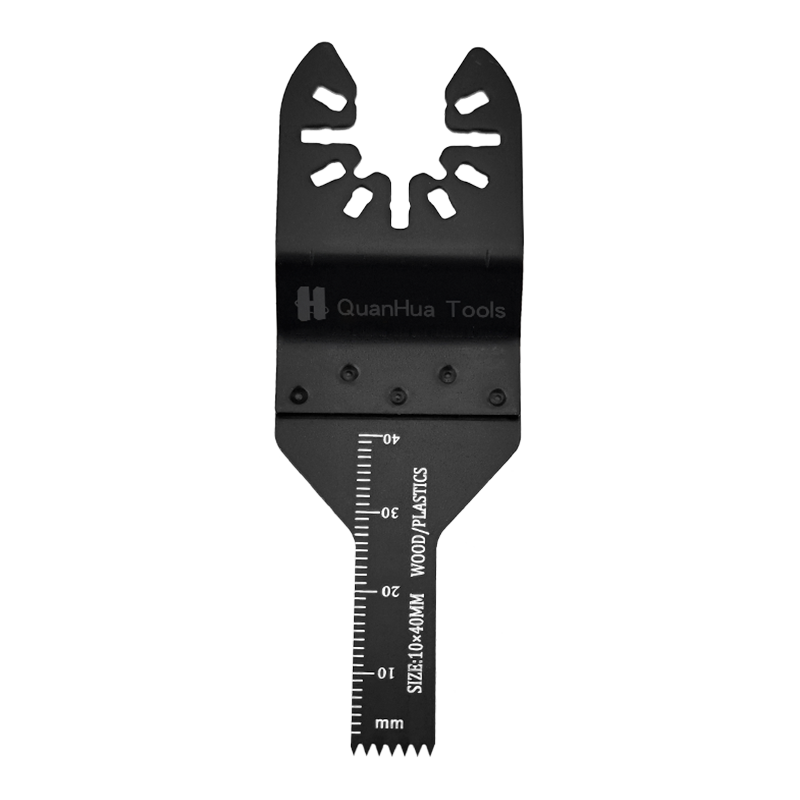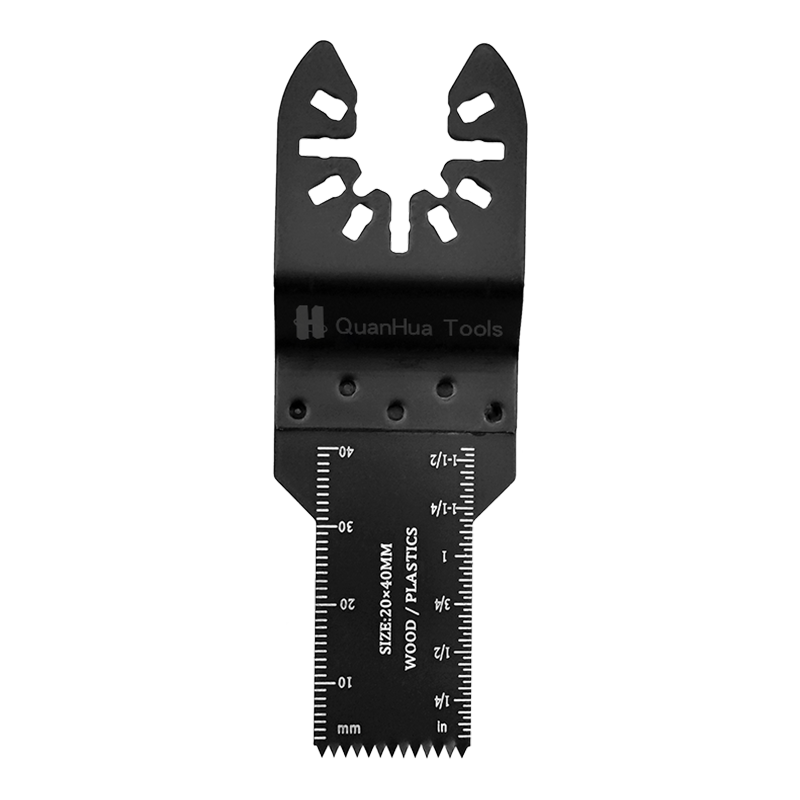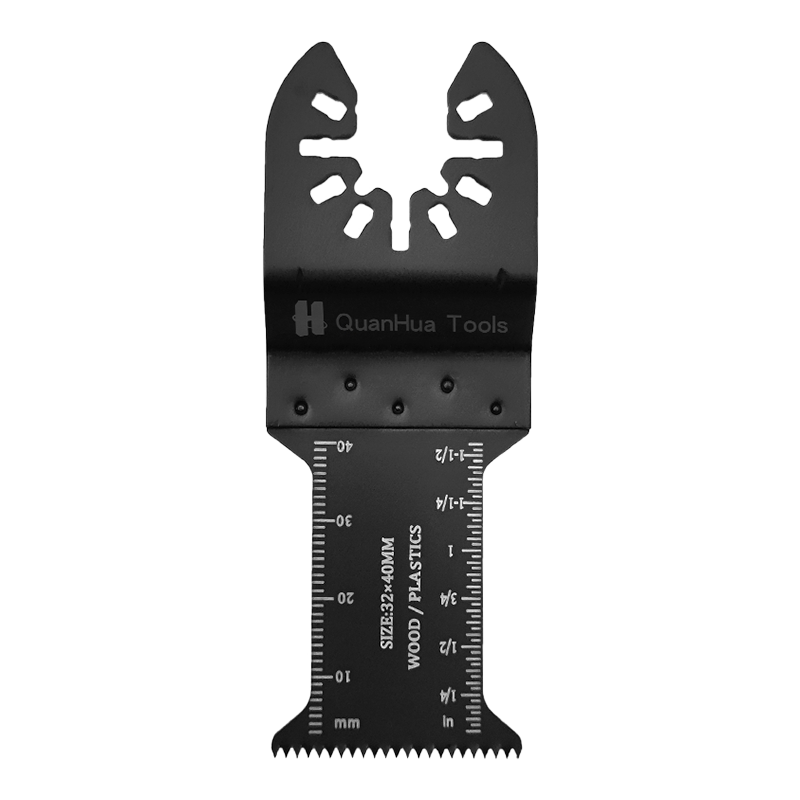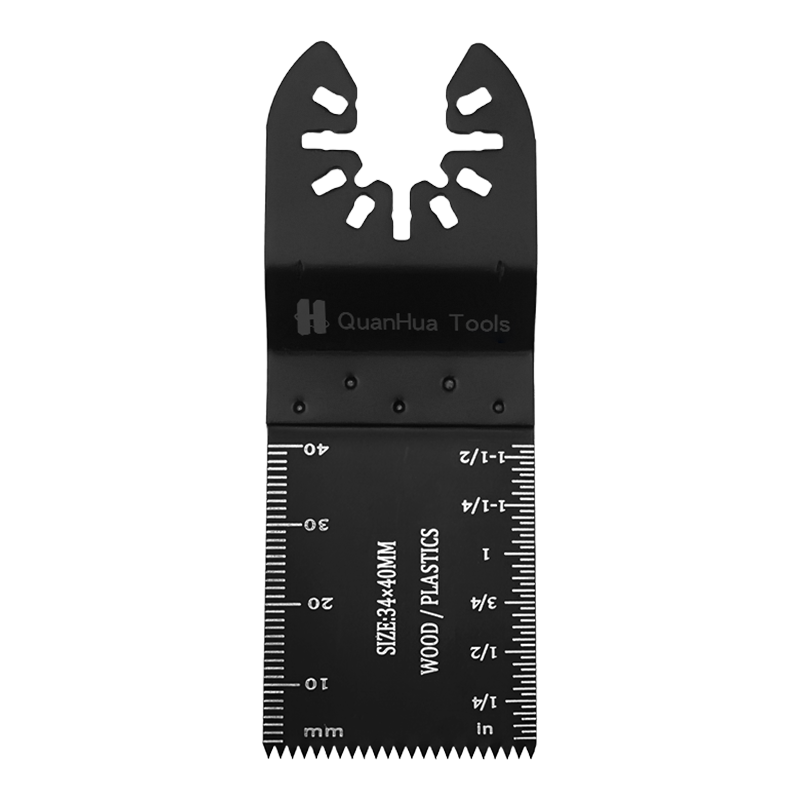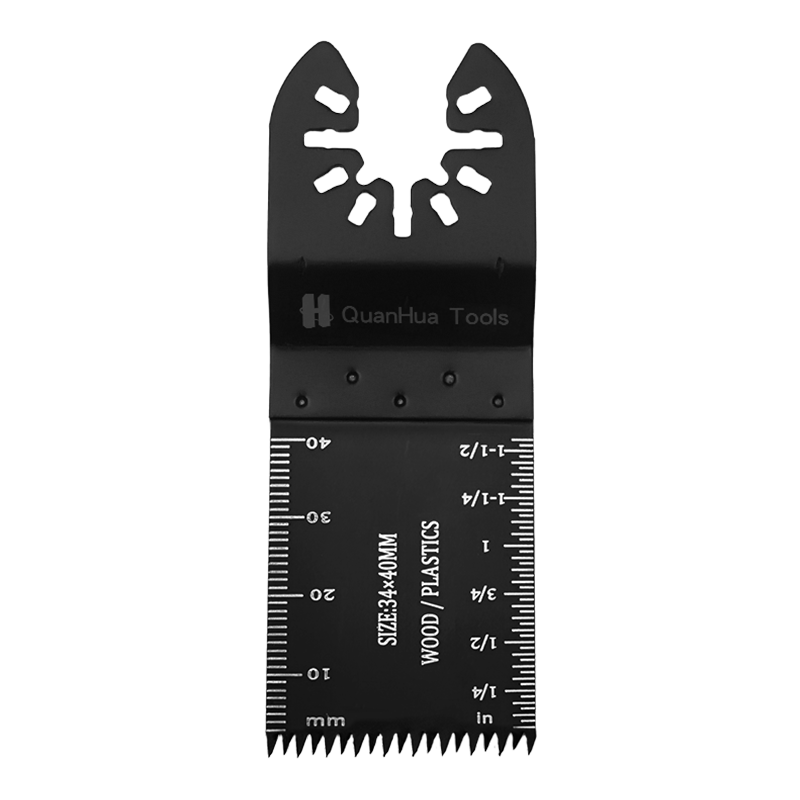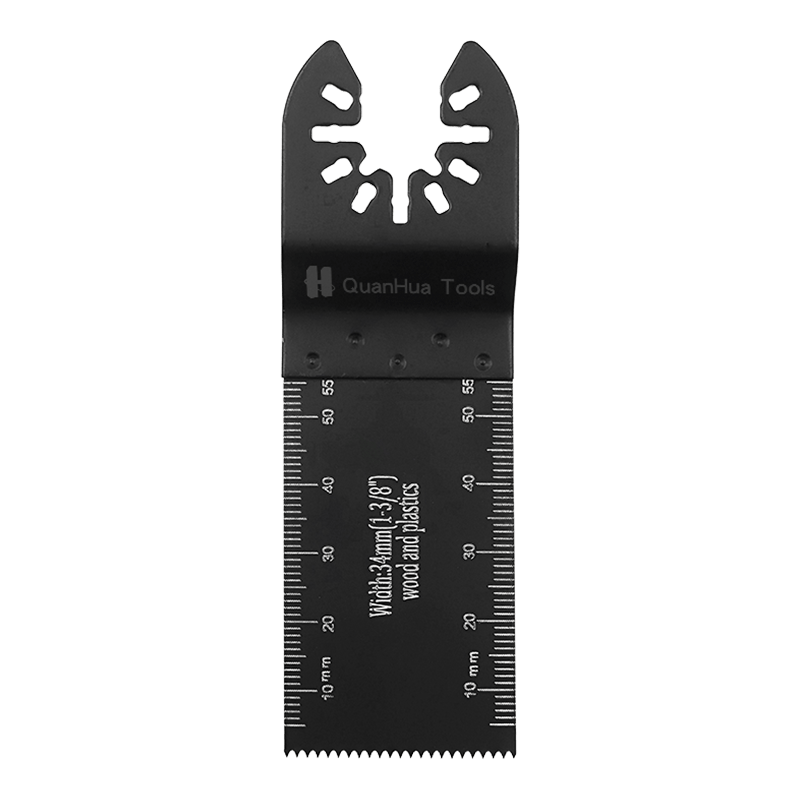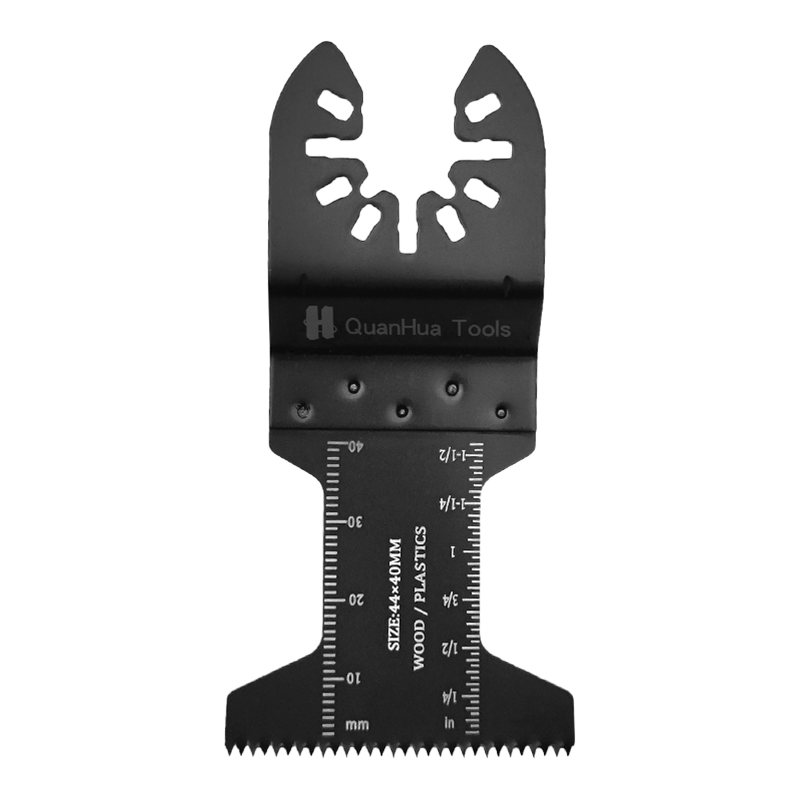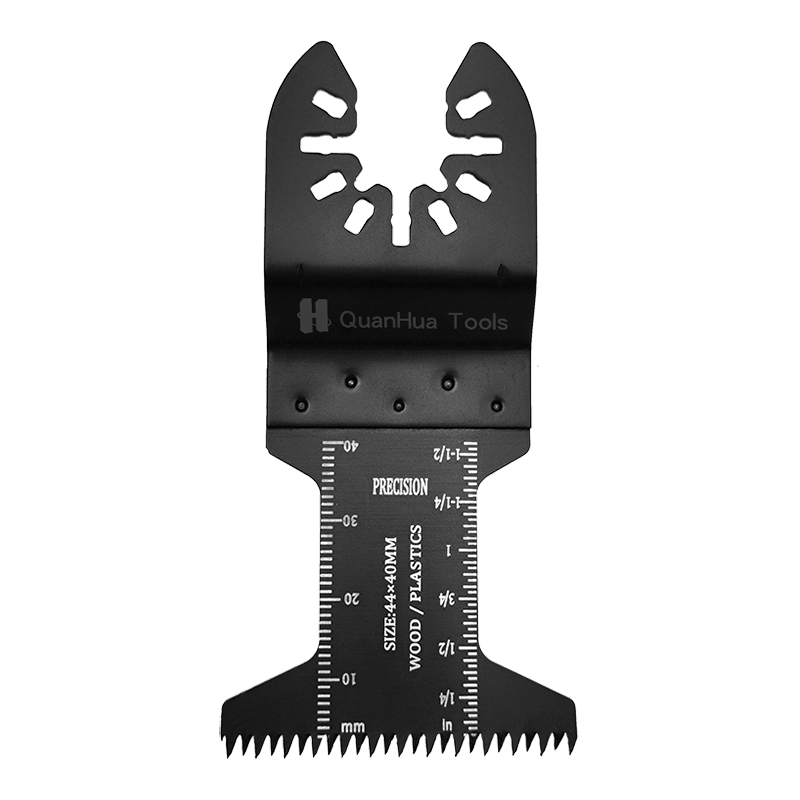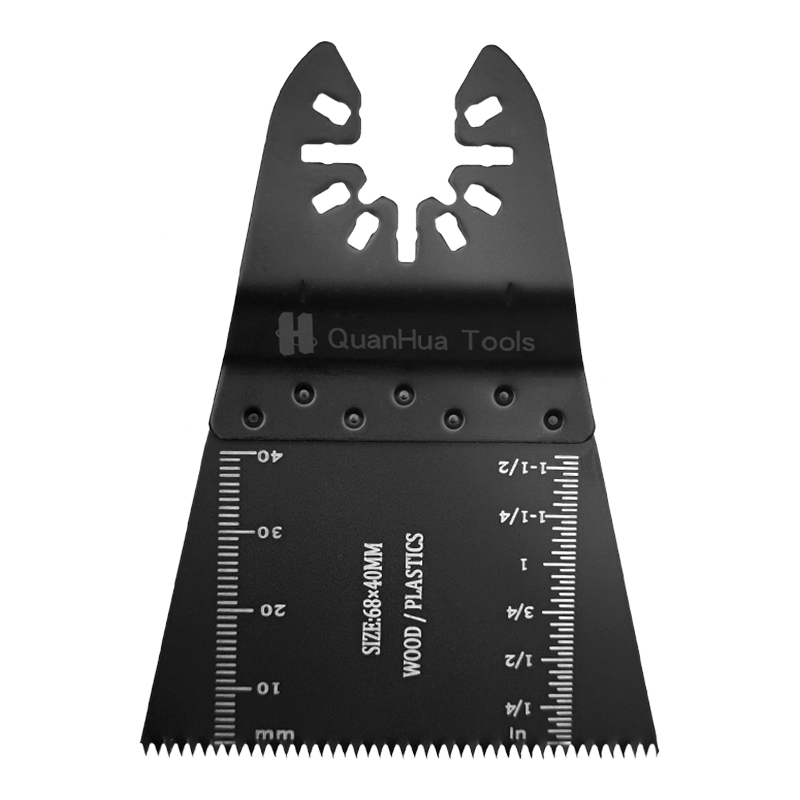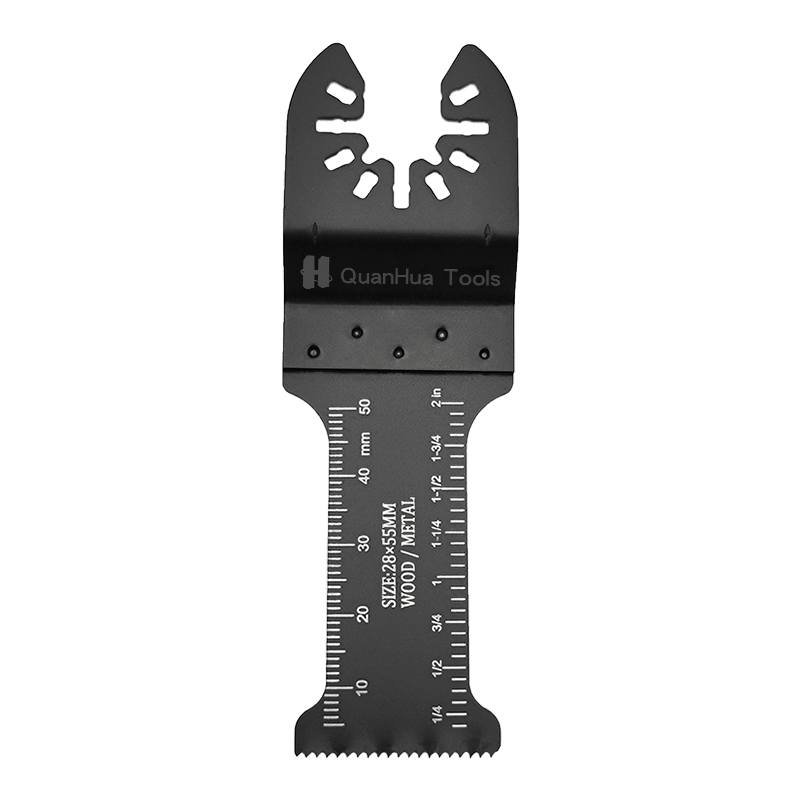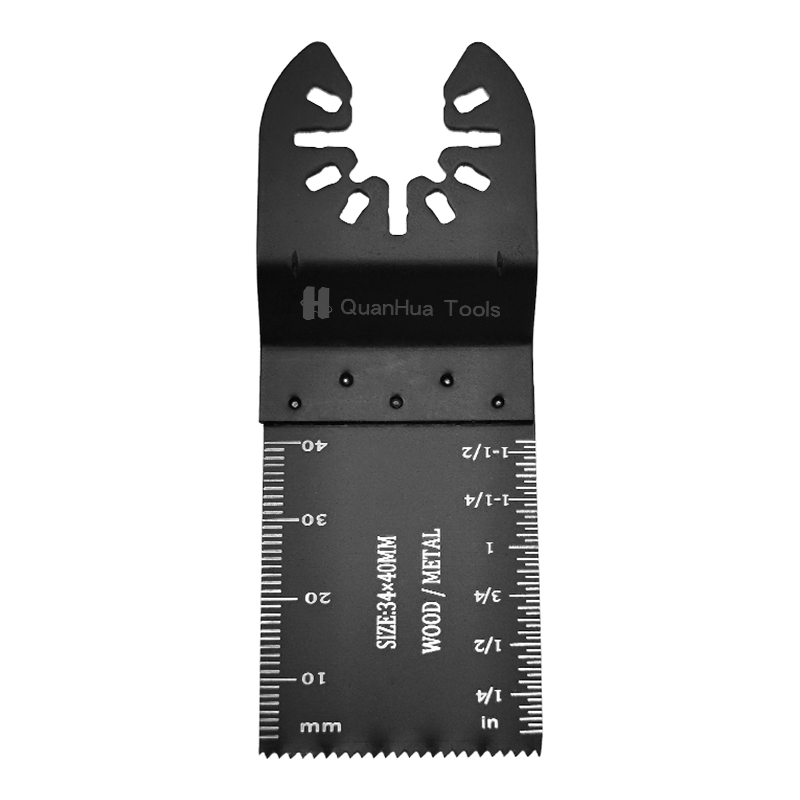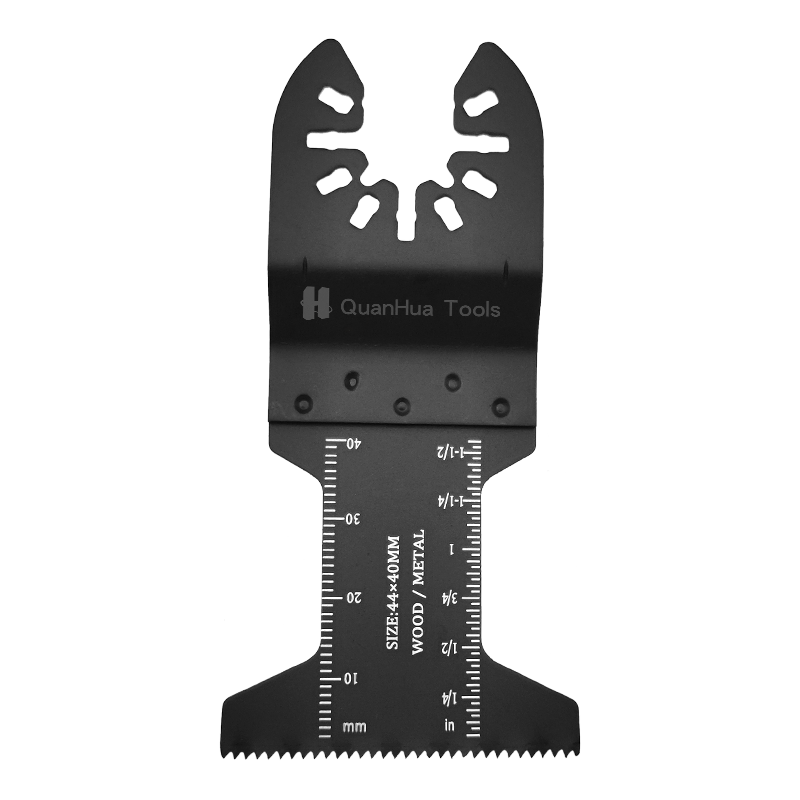

The Oscillating Multifunction Saw Blade is a highly versatile accessory capable of handling various materials and applications. However, due to its high-frequency oscillation mechanism, proper safety precautions are essential. The following comprehensive guide outlines the most important safety measures when using this type of tool.
1. Wear Appropriate Personal Protective Equipment
When operating vibration-based power tools, personal protective equipment is your first line of defense.
Required protective gear includes:
- Safety goggles or a face shield to prevent wood chips, metal fragments, or drywall dust from entering your eyes
- Cut-resistant gloves to reduce the risk of cuts during use or blade changes
- Hearing protection, such as earplugs or earmuffs, when operating the tool for long periods
- Dust mask or respirator, especially when cutting materials that generate fine dust (wood, drywall, mortar, etc.)
Additionally, avoid wearing loose clothing, jewelry, or accessories that could get caught in the tool.
2. Disconnect Power Before Replacing or Adjusting the Blade
Before changing or adjusting the blade, always ensure the tool is completely powered off:
- Unplug the power cord
- Or remove the battery (for cordless models)
This prevents accidental activation and reduces the risk of severe cuts during blade maintenance.
3. Ensure the Workpiece Is Securely Clamped
To ensure straight cuts and prevent the tool from jumping:
- Secure the workpiece with clamps, a vise, or quick-release clamps
- Ensure the cutting area is stable
- Provide additional support for large panels to prevent them from dropping and causing kickback
Work surface stability directly affects both safety and cutting accuracy.
4. Select the Correct Blade for the Material
Different materials require different blade types. Using the wrong blade can result in overheating, chipping, or even dangerous kickback.
Here is a reference table for selecting the right blade:
Blade Selection Reference Table
| Material Type | Recommended Blade | Features & Notes |
|---|---|---|
| Wood | Fine-tooth wood-cutting blade | Clean, fast cuts |
| Steel / Iron | Bi-metal blade | Heat-resistant and durable; avoid high-speed dry cutting |
| Soft metals (aluminum, copper) | Fine-tooth bi-metal blade | Prevents binding and overheating |
| Plastic / PVC | General-purpose cutting blade | Use lower speed to avoid melting |
| Drywall | Drywall-specific blade | Fast cutting, reduced edge chipping |
| Mortar / Tiles | Carbide-grit or diamond blade | Avoid prolonged dry cutting to reduce overheating |
Choosing the correct blade improves efficiency and significantly reduces safety risks.
5. Inspect the Blade Before Each Use
Before using the tool, check the blade for:
- Cracks or missing teeth
- Excessive wear
- Bending or deformation
- Loose mounting screws
Damaged blades can break under high-speed oscillation, posing a severe safety hazard.
6. Maintain a Firm Grip and Stable Posture
Proper grip and body positioning prevent accidental slips and loss of control.
You should:
- Hold the tool firmly with both hands
- Stand slightly to the side of the tool, not directly behind it
- Keep your feet apart for balance
- Avoid working on slippery surfaces
A stable stance helps you react safely if the blade hits a hard spot or gets stuck.
7. Start at a Low Speed and Increase Gradually
Oscillating tools can:
- Jump when first touching the material
- Bounce back when contacting hard surfaces at high speed
Therefore:
- Start at a low speed
- Gently let the blade touch the material
- Gradually increase speed once the tool stabilizes
This improves precision and reduces the chance of sudden movement.
8. Do Not Touch the Blade Immediately After Cutting
Oscillating blades heat up rapidly during operation.
- Wait 1–2 minutes before touching
- Use a tool to lift the blade if you must remove it quickly
- Do not handle the blade with bare hands right after use
Avoiding burns is a fundamental safety measure.
9. Keep Fingers and Cords Away From the Cutting Area
During operation:
- Keep your fingers far from the oscillating blade
- Ensure power cables stay behind the tool and away from the cutting path
- When working overhead, secure cables to prevent tripping or tangling
Anything near the blade’s motion zone can be dangerous.
10. Work in a Clean and Well-Lit Environment
A safe workspace helps prevent accidents:
- Keep the floor clear of debris and loose tools
- Ensure proper lighting for clear visibility of the cut line
- Use dust extraction when cutting materials that produce heavy dust
A clean environment reduces mistakes and improves safety.
11. Do Not Force the Tool While Cutting
Oscillating tools cut through rapid micro-oscillations, not by applying force.
Excessive pushing may cause:
- Rapid blade dulling
- Motor overheating
- The tool to bind or stall
- Loss of control due to unexpected recoil
Let the tool do the work; apply only light forward pressure.
12. Follow the Manufacturer’s Instructions
Each brand and blade type has specific guidelines for:
- Recommended speed settings
- Maximum cutting depth
- Compatible materials
- Installation procedures
- Maintenance and cleaning
Following these instructions extends tool life and ensures safe operation.